Company Logo

Arya malhotra digital content writer

WEFRU1850202115202
Scan to visit website

Scan QR code to visit our website

Blog by Arya malhotra digital content writer | Digital Diary

" To Present local Business identity in front of global market"

Meri Kalam Se
Digital Diary Submit Post Arya malhotra digital content writer

MICROPLASTIC IN HUMAN BODY

माइक्रोप्लास्टिक्स मानव शरीर में रक्त, फेफड़े, यकृत, गुर्दे, गर्भनाल और यहां तक ​​कि मस्तिष्क के ऊतकोंसहित हर जगह पाए जाते हैं , जो अंतर्ग्रहण, साँस लेने और त्वचा के संपर्क के माध्यम से प्रवेश करते हैं, और अध्ययनों से सूजन, हृदय संबंधी समस्याओं, प्रजनन संबंधी समस्याओं और परिवर्तित चयापचय कार्यों से संभावित संबंध का पता चलता है, हालांकि दीर्घकालिक स्वास्थ्य प्रभावों के लिए अधिक शोध की आवश्यकता है। ... Read More
माइक्रोप्लास्टिक्स मानव शरीर में रक्त, फेफड़े, यकृत, गुर्दे, गर्भनाल और यहां तक ​​कि मस्तिष्क के ऊतकोंसहित हर जगह पाए जाते हैं , जो अंतर्ग्रहण, साँस लेने और त्वचा के संपर्क के माध्यम से प्रवेश करते हैं, और अध्ययनों से सूजन, हृदय संबंधी समस्याओं, प्रजनन संबंधी समस्याओं और परिवर्तित चयापचय कार्यों से संभावित संबंध का पता चलता है, हालांकि दीर्घकालिक स्वास्थ्य प्रभावों के लिए अधिक शोध की आवश्यकता है। वे जैविक बाधाओं को पार कर सकते हैं और जमा हो सकते हैं, जिससे संभावित रूप से कोशिकीय क्षति हो सकती है और प्रतिरक्षा प्रतिक्रियाएं शुरू हो सकती हैं, प्रारंभिक शोध में हृदय रोग, आंत्र संबंधी समस्याओं और तंत्रिका संबंधी लक्षणों से संबंध का संकेत मिलता है।   जहां सूक्ष्म प्लास्टिक पाए जाते हैं प्रजनन एवं अंतःस्रावी तंत्र: यह गर्भनाल, स्तन के दूध, वीर्य और प्रजनन ऊतकों में पाया जाता है।  पाचन तंत्र: मल, लार और कोलोरेक्टल कैंसर के ऊतकों में इसकी पहचान की गई है।  रक्त एवं परिसंचरण तंत्र: रक्त वाहिकाओं और धमनी पट्टिकाओं में इनका पता चला है, जो यह साबित करता है कि ये शरीर में यात्रा कर सकते हैं और रह सकते हैं।  अंग: यह फेफड़े, यकृत, गुर्दे, प्लीहा, अंडकोष और मस्तिष्क में मौजूद होता है।  वे अंदर कैसे प्रवेश करते हैं (संपर्क के मार्ग) अंतर्ग्रहण: दूषित भोजन (समुद्री भोजन, पैकेटबंद खाद्य पदार्थ) और पानी से।  साँस लेना: धूल में मौजूद कणों, सिंथेटिक कपड़ों के रेशों और प्रदूषित हवा से।  त्वचा से संपर्क: सौंदर्य प्रसाधनों और कपड़ों के माध्यम से, नैनोप्लास्टिक के प्रवेश करने की संभावना रहती है।  संभावित स्वास्थ्य प्रभाव सूजन और कोशिका क्षति: यह कोशिका मृत्यु (एपॉप्टोसिस) को प्रेरित कर सकता है और सूजन को बढ़ा सकता है। हृदय संबंधी समस्याएं: प्लाक के जमाव और दिल के दौरे या स्ट्रोक के बढ़ते जोखिम से जुड़ा हुआ है। श्वसन संबंधी समस्याएं: अस्थमा और अन्य विकारों से संबंधित। आंतों का स्वास्थ्य: सूजन आंत्र रोग से संबंधित। प्रजनन स्वास्थ्य: पुरुषों की प्रजनन क्षमता के लिए संभावित चिंताएँ। चयापचय एवं तंत्रिका संबंधी प्रभाव: यह चयापचय को प्रभावित कर सकता है और थकान जैसे तंत्रिका संबंधी लक्षण पैदा कर सकता है।  वर्तमान समझ अनुसंधान जारी है, लेकिन प्रारंभिक निष्कर्ष बताते हैं कि माइक्रोप्लास्टिक न केवल गुजर रहे हैं बल्कि जमा हो सकते हैं और जैविक बाधाओं को पार कर सकते हैं, जिससे महत्वपूर्ण जैविक परिवर्तन हो सकते हैं, हालांकि मानव स्वास्थ्य जोखिमों की पूरी सीमा अभी तक पूरी तरह से समझ में नहीं आई है। 
Read Full Blog
[email protected] 07 Jan 2026 462 Views

BENEFITS OF YOGA

BENEFITS OF YOGA
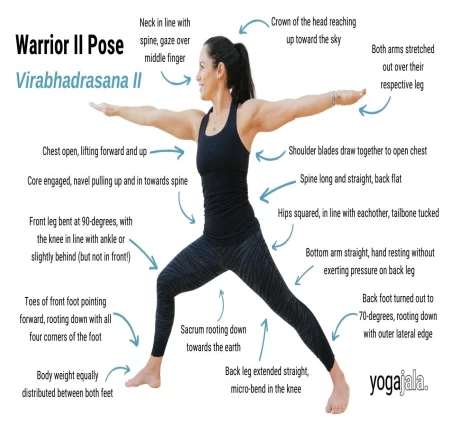
Yoga offers numerous physical, mental, and emotional benefits, including improved flexibility, stress relief, and enhanced overall well-being. Physical Benefits Improved Flexibility: Regular yoga practice helps increase flexibility, which is essential for overall physical health. It can be particularly beneficial for older adults, as it helps slow down the natural loss of flexibility that occurs... Read More
Yoga offers numerous physical, mental, and emotional benefits, including improved flexibility, stress relief, and enhanced overall well-being. Physical Benefits Improved Flexibility: Regular yoga practice helps increase flexibility, which is essential for overall physical health. It can be particularly beneficial for older adults, as it helps slow down the natural loss of flexibility that occurs with aging Increased Strength: Many yoga poses require strength to hold and transition between positions. This can lead to improved muscle strength and endurance over time.      Better Balance: Yoga enhances balance, which is crucial for preventing falls, especially in older adults. Poses that require stability can help improve coordination and balance.      Pain Relief: Yoga has been shown to alleviate chronic pain conditions, such as lower back pain and arthritis, making it a recommended practice for pain management.      Heart Health: Regular yoga practice may lower blood pressure, reduce stress, and improve overall heart health by addressing risk factors associated with heart disease.    Mental and Emotional Benefits Stress Relief: Yoga is well-known for its ability to reduce stress and promote relaxation. Techniques such as deep breathing and meditation incorporated in yoga can help manage stress levels effectively.      Enhanced Mental Clarity: Practicing yoga can improve focus and concentration, leading to better mental clarity and cognitive function.      Improved Mood: Yoga has been linked to reduced symptoms of anxiety and depression. Studies suggest that it can be an effective component of mental health management.      Mindfulness and Body Awareness: Yoga encourages mindfulness, helping practitioners become more aware of their bodies and thoughts. This heightened awareness can lead to better self-regulation and emotional .   Better Sleep: Regular yoga practice can improve sleep quality by promoting relaxation and reducing insomnia symptoms.  Conclusion Incorporating yoga into your routine can lead to significant improvements in both physical and mental health. Whether you are looking to enhance flexibility, manage stress, or improve overall well-being, yoga offers a holistic approach to health that can benefit individuals of all ages and fitness levels.   Yoga is most important for human beings .  
Read Full Blog
[email protected] 15 Dec 2025 188 Views

DON T EAT JUNK FOOD

DON T EAT JUNK FOOD
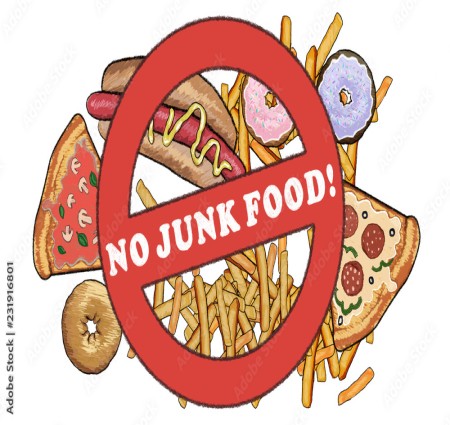
Avoiding junk food is crucial for maintaining good health, as it can lead to various health issues and unhealthy eating habits. Negative Effects of Junk Food High in Unhealthy Ingredients: Junk foods are often loaded with unhealthy fats, sugars, and artificial additives, which can lead to obesity, diabetes, and heart disease.      Nutrient Deficiency: These foods are typically low in essential n... Read More
Avoiding junk food is crucial for maintaining good health, as it can lead to various health issues and unhealthy eating habits. Negative Effects of Junk Food High in Unhealthy Ingredients: Junk foods are often loaded with unhealthy fats, sugars, and artificial additives, which can lead to obesity, diabetes, and heart disease.      Nutrient Deficiency: These foods are typically low in essential nutrients like vitamins and minerals, which can compromise your immune system and overall health.      Digestive Issues: The lack of dietary fiber in junk food can disrupt digestion, leading to problems like bloating and constipation.      Mental Health Impact: Unhealthy eating patterns can contribute to increased feelings of anxiety and stress, as junk food can affect mood and energy levels.      Addictive Nature: Junk food is engineered to be highly palatable, leading to cravings that can sabotage healthy eating efforts.      2 Sources Tips to Reduce Junk Food Consumption Cook More at Home: Preparing meals at home allows you to control ingredients and avoid processed foods. Start with one or two meals a week and gradually increase.      Stock Healthy Snacks: Keep healthy snacks like fruits, nuts, and yogurt readily available to curb cravings for junk food.      Stay Hydrated: Sometimes, thirst can be mistaken for hunger. Drinking enough water throughout the day can help reduce cravings.      Mindful Eating: Focus on savoring the taste and texture of nutritious foods, which can help you appreciate healthy options more.      Identify Triggers: Recognize emotional triggers that lead to junk food cravings and find alternative activities to cope, such as exercise or hobbies.      Plan Meals: Preparing balanced meals in advance can help you avoid impulsive junk food choices when you're hungry.      By understanding the negative impacts of junk food and implementing these strategies, you can foster healthier eating habits and improve your overall well-being. Making small, consistent changes can lead to significant improvements in your health over time.
Read Full Blog
[email protected] 08 Dec 2025 251 Views

HUMAN BODY

HUMAN BODY
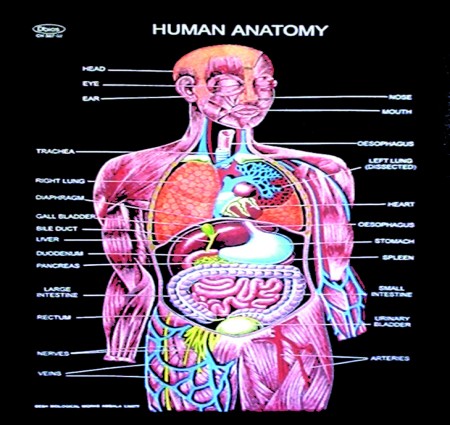
The human body consists of various parts, each with specific names and functions, including major regions like the head, torso, arms, and legs. Major Body Parts and Their Functions Head: Contains the brain, eyes, ears, nose, and mouth. It is responsible for thinking, sensing, and communication. Neck: Connects the head to the torso and contains vital structures like the windpipe and m... Read More
The human body consists of various parts, each with specific names and functions, including major regions like the head, torso, arms, and legs. Major Body Parts and Their Functions Head: Contains the brain, eyes, ears, nose, and mouth. It is responsible for thinking, sensing, and communication. Neck: Connects the head to the torso and contains vital structures like the windpipe and major blood vessels. Torso: Includes the chest, abdomen, and back, protecting essential organs such as the heart and lungs. Upper Limbs: Comprises the arms, from shoulder to hand, enabling movement, lifting, and manipulation of objects. Lower Limbs: Consists of the legs, from hip to foot, supporting body weight and facilitating movement like walking and running. External and Internal Body Parts External Body Parts: These are visible and include the skin, hair, eyes, ears, nose, mouth, arms, and legs. They help with movement, sensation, and interaction with the environment. Internal Body Parts: These include organs such as the heart, lungs, liver, kidneys, and brain. Each organ performs vital functions necessary for survival, such as circulation, respiration, and digestion. Importance of Learning Body Parts Understanding the names and functions of body parts is essential for effective communication, especially in medical contexts, education, and daily life. It helps individuals describe their health, understand anatomy, and engage in discussions about the body. For more detailed information and visual aids, you can refer to resources that provide pictures and descriptions of body parts, which can enhance learning and retention.
Read Full Blog
[email protected] 08 Dec 2025 370 Views

URINARY SYSTEM

URINARY SYSTEM
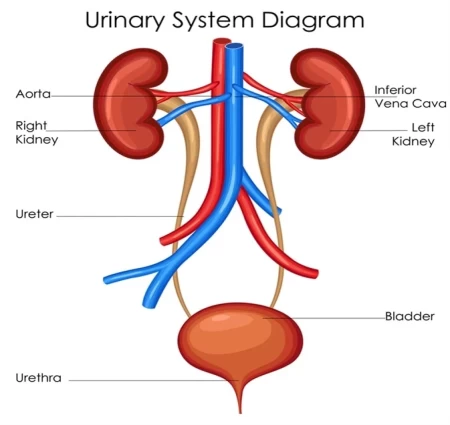
  मूत्र प्रणाली रक्त को छानकर मूत्र बनाती है, जिसे वह शरीर से बाहर निकाल देती है। इसमें गुर्दे, मूत्रवाहिनी, मूत्राशय और मूत्रमार्ग शामिल हैं। गुर्दे रक्त से अपशिष्ट और अतिरिक्त तरल पदार्थ को छानकर मूत्र बनाते हैं, जो भंडारण के लिए मूत्रवाहिनी से होकर मूत्राशय तक जाता है। जब मूत्राशय भर जाता है, तो मूत्र मूत्रमार्ग के माध्यम से शरीर से बाहर निकल जाता है।   अंग और उनके कार्य मूत्रवाहिनी:  नलिकाएं... Read More
  मूत्र प्रणाली रक्त को छानकर मूत्र बनाती है, जिसे वह शरीर से बाहर निकाल देती है। इसमें गुर्दे, मूत्रवाहिनी, मूत्राशय और मूत्रमार्ग शामिल हैं। गुर्दे रक्त से अपशिष्ट और अतिरिक्त तरल पदार्थ को छानकर मूत्र बनाते हैं, जो भंडारण के लिए मूत्रवाहिनी से होकर मूत्राशय तक जाता है। जब मूत्राशय भर जाता है, तो मूत्र मूत्रमार्ग के माध्यम से शरीर से बाहर निकल जाता है।   अंग और उनके कार्य मूत्रवाहिनी:  नलिकाएं जो मूत्र को गुर्दे से मूत्राशय तक ले जाती हैं।  मूत्राशय:  एक मांसपेशीय, लचीला अंग जो मूत्र को तब तक संग्रहीत करता है जब तक कि वह निष्कासित होने के लिए तैयार न हो जाए।  मूत्रमार्ग:  एक नली जो पेशाब के दौरान मूत्राशय से मूत्र को शरीर से बाहर ले जाती है।  गुर्दे:  दो सेम के आकार के अंग जो रक्त को छानते हैं, अपशिष्ट और अतिरिक्त तरल पदार्थ को बाहर निकालकर मूत्र बनाते हैं।  यह काम किस प्रकार करता है निस्पंदन: गुर्दे रक्त को छानते हैं तथा यूरिया, यूरिक एसिड और लवण जैसे अपशिष्ट पदार्थों को बाहर निकालते हैं।  मूत्र निर्माण: फ़िल्टर किए गए तरल पदार्थ, जिसमें अपशिष्ट, पानी और अन्य पदार्थ होते हैं, को मूत्र में संसाधित किया जाता है। शरीर अधिकांश तरल पदार्थ और उपयोगी पदार्थों को पुनः रक्त में अवशोषित कर लेता है, जिससे प्रतिदिन लगभग 1.7 लीटर मूत्र बनता है।  परिवहन: मूत्र गुर्दों से मूत्रवाहिनी से होकर मूत्राशय तक प्रवाहित होता है।  भंडारण: मूत्राशय मूत्र को एकत्रित करता है और संग्रहीत करता है।  उन्मूलन: जब मस्तिष्क संकेत देता है, तो मूत्राशय की मांसपेशियां कड़ी हो जाती हैं और स्फिंक्टर्स शिथिल हो जाते हैं, जिससे मूत्र मूत्रमार्ग से होकर शरीर से बाहर निकल जाता है। 
Read Full Blog
[email protected] 06 Dec 2025 205 Views

HUMAN HEART

HUMAN HEART
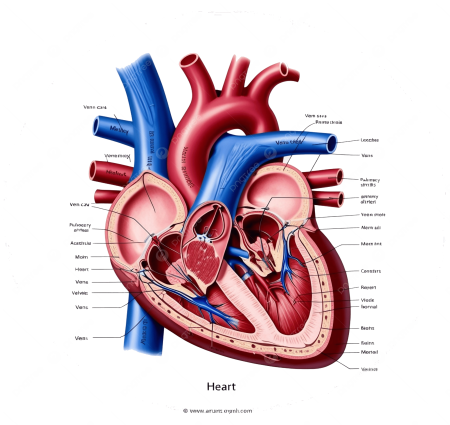
About the HEART hardya ke dhadakne ki dar:70-75 prati minute hoti hai. parisancharan ki vikratiya: 120/80mm samanya rakt chap hota hai .rakt dab 140/90mm ho jay to vaha adhik tanaav ko darshata hai.  hardya  me char kosthak hote hai:bayan aalind , dayan aalind aur bayan nilaya  , dayan nilaya.    hardaya kam kaise karta hai:prarambh me mana ki  hardya ke charo kaksh shithil avashtha me hai aur ha... Read More
About the HEART hardya ke dhadakne ki dar:70-75 prati minute hoti hai. parisancharan ki vikratiya: 120/80mm samanya rakt chap hota hai .rakt dab 140/90mm ho jay to vaha adhik tanaav ko darshata hai.  hardya  me char kosthak hote hai:bayan aalind , dayan aalind aur bayan nilaya  , dayan nilaya.    hardaya kam kaise karta hai:prarambh me mana ki  hardya ke charo kaksh shithil avashtha me hai aur hardya anushithil avashtha me hai is samaya trivalan ya dvivalan kapat    khule rahte hai jisse rakt fupfus shira aur mhashira se bayen aur dayen aalind se hote hue bayen aur dayen nilaya me phuchte hai.
Read Full Blog
[email protected] 20 Nov 2025 193 Views

Blog Catgories