HUMAN BODY
꧁ Digital Diary ༒ Wefru – India's Largest Writing Community ༒ Read, Write & Grow ༒꧂

꧁ Digital Diary ༒ Wefru – India's Largest Writing Community ༒ Read, Write & Grow ༒꧂
Scan QR code to visit our website

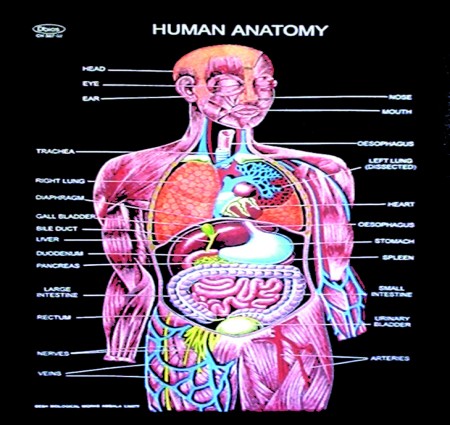
The human body consists of various parts, each with specific names and functions, including major regions like the head, torso, arms, and legs.
Head:
Contains the brain, eyes, ears, nose, and mouth. It is responsible for thinking, sensing, and communication.
Neck:
Connects the head to the torso and contains vital structures like the windpipe and major blood vessels.
Torso:
Includes the chest, abdomen, and back, protecting essential organs such as the heart and lungs.
Upper Limbs:
Comprises the arms, from shoulder to hand, enabling movement, lifting, and manipulation of objects.
Lower Limbs:
Consists of the legs, from hip to foot, supporting body weight and facilitating movement like walking and running.
External Body Parts: These are visible and include the skin, hair, eyes, ears, nose, mouth, arms, and legs. They help with movement, sensation, and interaction with the environment.
Internal Body Parts: These include organs such as the heart, lungs, liver, kidneys, and brain. Each organ performs vital functions necessary for survival, such as circulation, respiration, and digestion.
No FAQ Available.
Have a question about this post? Send it straight to the author — only they will see it.
We are accepting Guest Posting on our website for all categories.

Arya malhotra digital content writer
Verified Author Expert@DigitalDiaryWefru