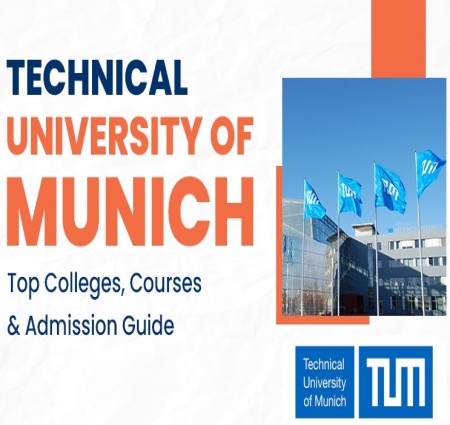
Germany is a popular destination for students who want to study abroad. Its universities are known for strong academic standards, research opportunities, practical learning, and a large selection of degree programmes. Students from different countries choose Germany for bachelor's, master's, and doctoral studies. When looking at Universities in Germany, students often come across names such as the Technical University of Munich, Ludwig Maximilian University of Munich, Heidelberg University, RWTH Aachen University, and Humboldt University of Berlin. Each university has its own strengths, courses, admission requirements, and student experience. Choosing a university should not be based only on rankings. Your course, career plans, budget, location, language requirements, and admission eligibility are equally important. Why Are German Universities Popular? German higher education has a strong reputation for quality teaching and research. The country also offers a large number of study programmes in different fields. According to the DAAD, Germany has many higher education institutions, including traditional universities, universities of applied sciences, and art and music colleges. Some major reasons students consider German universities include: Strong academic standards Research and practical learning opportunities Numerous study programmes International student communities Programmes taught in English, especially at postgraduate level Good connections with industries and research organisations Opportunities to gain professional experience during studies For international students, the combination of education and career preparation can make Germany an attractive study destination. Technical University of Munich (TUM) The Technical University of Munich, commonly known as TUM, is one of Germany's best-known universities, particularly for technical and scientific subjects. TUM offers programmes in areas such as engineering, computer science, natural sciences, management, and related fields. Its strong focus on research and innovation makes it popular with students interested in technology and business. TUM reported 51,954 students in the winter semester 2025/26, with international students making up 45% of its student population. In the 2026 Academic Ranking of World Universities, TUM was ranked 45th globally and was the highest-ranked German university in that ranking. Students interested in engineering, technology, research, or entrepreneurship often consider TUM when preparing their university shortlist. Ludwig Maximilian University of Munich Ludwig Maximilian University of Munich, generally called LMU Munich, is another highly popular university in Germany. LMU offers a broad range of subjects, including humanities, social sciences, natural sciences, economics, medicine, and other disciplines. This makes it suitable for students with different academic interests. LMU had 52,658 students in the winter semester 2025/26, including 11,658 international students. Its international student community has also continued to grow. The university reported that international students represented around 22% of its student population at the beginning of the 2025/26 winter semester. For students who want a broad academic environment in a major German city, LMU Munich can be an interesting choice. Heidelberg University Heidelberg University is one of Germany's oldest and most recognised universities. It is particularly well known for research and subjects such as medicine, life sciences, natural sciences, humanities, and social sciences. The university reached nearly 32,200 students in the 2025/26 winter semester, with international students accounting for just under 21% of the student population. Students interested in research-oriented education may find Heidelberg especially appealing. Its long academic history and international community also provide a strong environment for students coming from abroad. RWTH Aachen University RWTH Aachen University is another major name students should consider, especially if they are interested in engineering and technology. The university has a strong connection with research and industry. Its programmes are particularly relevant for students interested in areas such as mechanical engineering, electrical engineering, computer science, automotive technology, and related fields. For students planning a technical career, RWTH Aachen can provide opportunities to develop both academic knowledge and practical skills. Humboldt University of Berlin Humboldt University of Berlin is one of the well-known universities in Germany's capital city. It offers programmes across several academic areas, including humanities, social sciences, natural sciences, and other disciplines. Studying in Berlin can also give students access to a large international community and a city with many cultural and professional activities. Students who prefer studying in a major city and want a broad selection of subjects may consider Humboldt University as part of their university search. University of Freiburg The University of Freiburg is another respected German university with a strong academic and research background. It offers programmes in several fields and has an international student community. Freiburg is also known for its student-friendly environment and location in southwestern Germany. Students who want to combine university studies with a quieter city experience may find Freiburg worth considering. BOOK YOUR FREE COUNSELLING NOW How Should You Choose Among Popular Universities? A famous university may look attractive, but it does not automatically mean it is the right choice for every student. Before applying, compare universities based on your own goals. Check the Course First, look at the exact degree programme. Check the subjects, duration, teaching language, curriculum, and specialisations. A university may have an excellent reputation overall but may not be the strongest choice for your particular subject. Check Admission Requirements Admission rules can differ from one university and programme to another. Germany does not have one central admission system for all institutions. The DAAD recommends checking whether your previous qualification is recognised and whether you meet the requirements for your chosen programme. Depending on your course, you may need: Academic transcripts Proof of language proficiency A recognised school or university qualification Motivation letter CV Additional documents or tests Some programmes may have additional requirements, so always check the university's official admission information. What About English-Taught Courses? Students who do not speak German often look for English-taught programmes. Germany has a number of international and postgraduate programmes taught in English. However, many programmes are still taught in German, so language requirements should be checked before applying. Learning basic German can also be useful for everyday communication, part-time work, internships, and building connections outside the university. Career Opportunities After Graduation Studying at a recognised German university can help students develop academic knowledge, practical skills, and professional connections. Germany has a strong industrial and business sector, creating opportunities in areas such as: Engineering Information technology Business and management Automotive industries Research Healthcare and life sciences Renewable energy Data and technology International students should also understand the rules surrounding work and residence after graduation. Germany provides routes that can allow qualified graduates to continue looking for employment after completing their studies, subject to the applicable requirements. Is Admission to Popular Universities Difficult? Admission difficulty depends on the university, programme, number of applicants, and academic requirements. Some courses can be highly competitive, while others may have different admission conditions. Students should not apply only to one university. A better approach is to research several suitable programmes and compare their eligibility criteria, deadlines, tuition or semester costs, language requirements, and application procedures. For international applicants, the German government also recommends checking qualification recognition, language requirements, funding, university applications, and visa requirements before starting the study process. How Ooshas Global Can Help Choosing the right university can feel confusing, especially when you are comparing courses, admission requirements, documents, and application deadlines. Ooshas Global can help students understand the study process and plan their applications according to their academic goals. Students can start by preparing their academic documents, shortlisting suitable universities, checking course requirements, and understanding the application process. It is also important to plan finances, accommodation, visa requirements, and other practical matters before travelling to Germany. Germany's official study guidance notes that students need to secure funding and meet the relevant requirements before applying for a study visa. Final Thoughts Germany has many respected universities, and the right choice depends on your course and career goals. TUM, LMU Munich, Heidelberg University, RWTH Aachen, Humboldt University of Berlin, and the University of Freiburg are some of the names students commonly consider. Instead of choosing a university only because it is popular, compare the programme, admission requirements, teaching language, location, costs, and career opportunities. With proper research and early preparation, students can create a strong university shortlist and take a clear step toward their study abroad plans. Ooshas Global can also support students as they work through the process of selecting and applying to suitable German universities. Get in touch:- Company Name: Ooshas Global Phone no: +91- 98 7586 3347 Website: https://ooshasglobal.com/ Email:
[email protected] Address : Mahalakshmi Chambers, 29, 1st Floor, BHIVE Workspace, Mahatma Gandhi Rd, near Trinity Metro Station, Bengaluru, Karnataka 560001.