Company Logo

digital content writer Aastha

WEFRU7101221215202
Scan to visit website

Scan QR code to visit our website

Blog by digital content writer Aastha | Digital Diary

" To Present local Business identity in front of global market"

Meri Kalam Se Digital Diary Submit Post


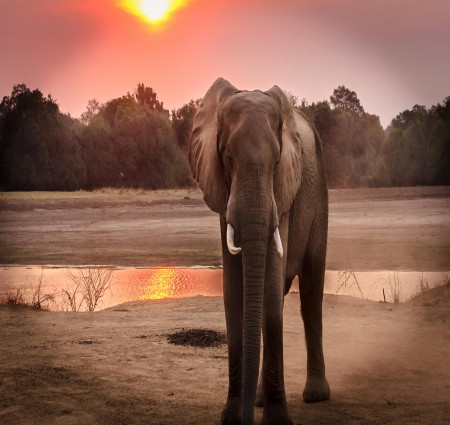
Elephant


                                                        Elephant                                                       ... Read More

                                                        Elephant                                                                                              The elephant is the largest land animal, Known for its long trunk and big ears. It uses its trunk to grab food. Drink water, and communicate. Elephant live in herds led by a females and are very social animals. They eat plants, grass, and fruits. Elephants are intelligent and have a good memory. They mostly live in forests and grassland in Asia and Africa. Due to habitat loss and poaching for their tusks, elephant are now endangered and protection.


Read Full Blog...


Tiger


TIGER   The tiger, scientifically known as *Panthera tigris*, stands as one of the most iconic and formidable creatures on Earth, embodying raw power, stealth, and beauty in equal measure. Native to diverse habitats across Asia, from the dense mangrove forests of the Sundarbans to the snowy peaks of the Russian Far East, this apex predator has captivated human imagination for centuries. With... Read More

TIGER


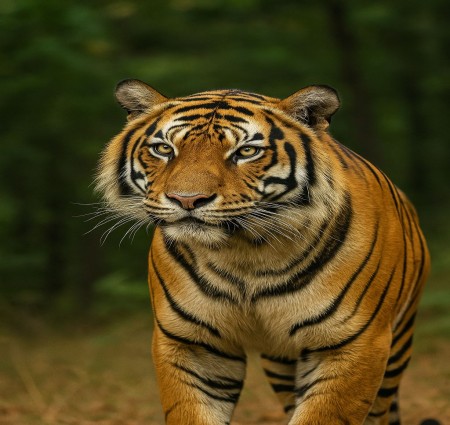
The tiger, scientifically known as *Panthera tigris*, stands as one of the most iconic and formidable creatures on Earth, embodying raw power, stealth, and beauty in equal measure. Native to diverse habitats across Asia, from the dense mangrove forests of the Sundarbans to the snowy peaks of the Russian Far East, this apex predator has captivated human imagination for centuries. With its muscular build, the tiger can weigh up to 300 kilograms and stretch over three meters in length, its body a masterpiece of evolution designed for hunting and survival. The most striking feature is its coat: vibrant orange fur striped in bold black lines, unique to each individual like a fingerprint, providing perfect camouflage amid tall grasses and dappled shadows. Those piercing yellow eyes, framed by a fierce yet elegant face, convey an air of unyielding authority, while the white markings on its belly and inner limbs add a touch of purity to its wild ferocity.

Tigers are solitary hunters, masters of ambush who rely on their incredible strength and speed-reaching bursts of 60 kilometers per hour-to take down prey like deer, wild boar, and even larger animals. Unlike lions, which form prides, tigers prefer independence, marking vast territories with scent and roars that echo through the night, a thunderous call that can travel kilometers to ward off rivals. Their diet, primarily meat, underscores their role as keystone species, controlling herbivore populations and maintaining ecosystem balance. Females raise cubs alone for about two years, teaching them to stalk and pounce, passing on survival skills in a world fraught with dangers.

Yet, the tiger's story is one of tragedy as much as triumph. Once numbering over 100,000 in the wild, their population has plummeted to around 3,900 due to habitat loss, poaching for skins and bones in traditional medicine, and human-wildlife conflict. Conservation efforts like India's Project Tiger, launched in 1973, have helped stabilize numbers in protected reserves such as Ranthambore and Corbett National Park. These striped guardians remind us of nature's fragility; without them, forests would suffer from overgrazing, and biodiversity would decline. In culture, the tiger symbolizes courage and royalty-from the Bengal tiger on India's national emblem to folklore tales of shape-shifting beasts. To gaze upon a tiger in the wild is to witness untamed freedom, a call to protect the wild heart of our planet. 


Read Full Blog...


Tiger


TIGER   The tiger, scientifically known as *Panthera tigris*, stands as one of the most iconic and formidable creatures on Earth, embodying raw power, stealth, and beauty in equal measure. Native to diverse habitats across Asia, from the dense mangrove forests of the Sundarbans to the snowy peaks of the Russian Far East, this apex predator has captivated human imagination for centuries. With... Read More

TIGER


The tiger, scientifically known as *Panthera tigris*, stands as one of the most iconic and formidable creatures on Earth, embodying raw power, stealth, and beauty in equal measure. Native to diverse habitats across Asia, from the dense mangrove forests of the Sundarbans to the snowy peaks of the Russian Far East, this apex predator has captivated human imagination for centuries. With its muscular build, the tiger can weigh up to 300 kilograms and stretch over three meters in length, its body a masterpiece of evolution designed for hunting and survival. The most striking feature is its coat: vibrant orange fur striped in bold black lines, unique to each individual like a fingerprint, providing perfect camouflage amid tall grasses and dappled shadows. Those piercing yellow eyes, framed by a fierce yet elegant face, convey an air of unyielding authority, while the white markings on its belly and inner limbs add a touch of purity to its wild ferocity.

Tigers are solitary hunters, masters of ambush who rely on their incredible strength and speed-reaching bursts of 60 kilometers per hour-to take down prey like deer, wild boar, and even larger animals. Unlike lions, which form prides, tigers prefer independence, marking vast territories with scent and roars that echo through the night, a thunderous call that can travel kilometers to ward off rivals. Their diet, primarily meat, underscores their role as keystone species, controlling herbivore populations and maintaining ecosystem balance. Females raise cubs alone for about two years, teaching them to stalk and pounce, passing on survival skills in a world fraught with dangers.

Yet, the tiger's story is one of tragedy as much as triumph. Once numbering over 100,000 in the wild, their population has plummeted to around 3,900 due to habitat loss, poaching for skins and bones in traditional medicine, and human-wildlife conflict. Conservation efforts like India's Project Tiger, launched in 1973, have helped stabilize numbers in protected reserves such as Ranthambore and Corbett National Park. These striped guardians remind us of nature's fragility; without them, forests would suffer from overgrazing, and biodiversity would decline. In culture, the tiger symbolizes courage and royalty-from the Bengal tiger on India's national emblem to folklore tales of shape-shifting beasts. To gaze upon a tiger in the wild is to witness untamed freedom, a call to protect the wild heart of our planet. 


Read Full Blog...


Tiger


TIGER   The tiger, scientifically known as *Panthera tigris*, stands as one of the most iconic and formidable creatures on Earth, embodying raw power, stealth, and beauty in equal measure. Native to diverse habitats across Asia, from the dense mangrove forests of the Sundarbans to the snowy peaks of the Russian Far East, this apex predator has captivated human imagination for centuries. With... Read More

TIGER


The tiger, scientifically known as *Panthera tigris*, stands as one of the most iconic and formidable creatures on Earth, embodying raw power, stealth, and beauty in equal measure. Native to diverse habitats across Asia, from the dense mangrove forests of the Sundarbans to the snowy peaks of the Russian Far East, this apex predator has captivated human imagination for centuries. With its muscular build, the tiger can weigh up to 300 kilograms and stretch over three meters in length, its body a masterpiece of evolution designed for hunting and survival. The most striking feature is its coat: vibrant orange fur striped in bold black lines, unique to each individual like a fingerprint, providing perfect camouflage amid tall grasses and dappled shadows. Those piercing yellow eyes, framed by a fierce yet elegant face, convey an air of unyielding authority, while the white markings on its belly and inner limbs add a touch of purity to its wild ferocity.

Tigers are solitary hunters, masters of ambush who rely on their incredible strength and speed-reaching bursts of 60 kilometers per hour-to take down prey like deer, wild boar, and even larger animals. Unlike lions, which form prides, tigers prefer independence, marking vast territories with scent and roars that echo through the night, a thunderous call that can travel kilometers to ward off rivals. Their diet, primarily meat, underscores their role as keystone species, controlling herbivore populations and maintaining ecosystem balance. Females raise cubs alone for about two years, teaching them to stalk and pounce, passing on survival skills in a world fraught with dangers.

Yet, the tiger's story is one of tragedy as much as triumph. Once numbering over 100,000 in the wild, their population has plummeted to around 3,900 due to habitat loss, poaching for skins and bones in traditional medicine, and human-wildlife conflict. Conservation efforts like India's Project Tiger, launched in 1973, have helped stabilize numbers in protected reserves such as Ranthambore and Corbett National Park. These striped guardians remind us of nature's fragility; without them, forests would suffer from overgrazing, and biodiversity would decline. In culture, the tiger symbolizes courage and royalty-from the Bengal tiger on India's national emblem to folklore tales of shape-shifting beasts. To gaze upon a tiger in the wild is to witness untamed freedom, a call to protect the wild heart of our planet. 


Read Full Blog...


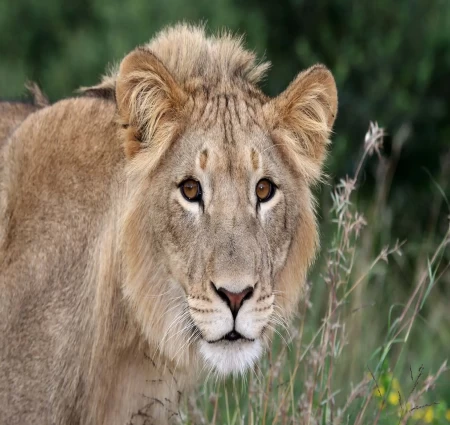
Lion


                                                          Lion The Lion is known as the ''King of the jungle '' because of its strength and magestic appearance. It lives in groups called prides, which include several females, their cubs, a... Read More

                                                          Lion

The Lion is known as the ''King of the jungle '' because of its strength and magestic appearance. It lives in groups called prides, which include several females, their cubs, and one or two males. Lions are carnivores and hunt animals like zebras and antelopes. They are strong and brave, often roaring loudly to communicate and mark their territory. Lion always eats other animals meat.                                              Lion mostly live in African grasslands and savannas. The Lion ( Panthera leo ) is a large cat of the genus Panthera, currently ranging only in sub - saharan Africa and India. It has a muscular, board-chested body, a short, rounded head, round ears, and a dark, hairy tuft at the trip of its tail. 


Read Full Blog...


Blog Catgories

<--icon---->