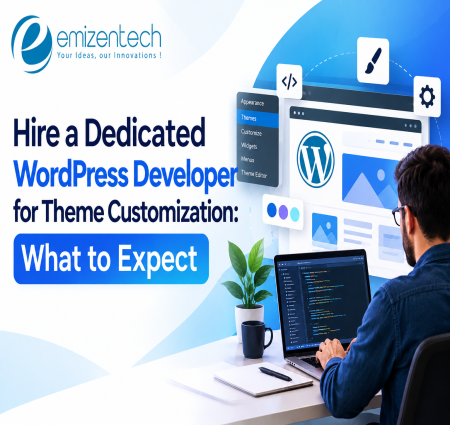
Default WordPress themes don't usually fit a brand's needs. The way the layout is set up, features and how fast the site runs often need changes that page builders can't handle well. Drag-and-drop tools are good for changing colors or simple text. They don't work when a business needs special types of posts, unusual layouts, or connections with other systems. For companies that're in this situation, the best choice is to hire a WordPress developer who focuses only on your project from start to finish instead of using generic plugins or one-time freelance help. This blog explains what it means to hire a developer, why it's better than using freelancers or tools on your own, what the different ways to work look like, and what you can expect during the whole customization process. What Does "Hiring a Dedicated WordPress Developer" Mean? A dedicated WordPress developer works only or almost only on your project for a set time. This is different from a freelancer who works on different clients and different from an in-house worker, which has costs for hiring, training, and ongoing expenses. When you hire a WordPress developer, you get regular availability during set hours, more understanding of your specific code as the project goes on, and one person responsible for the whole project instead of different people handling different parts. This is especially important in theme customization, where the needs change as designs get feedback, new features are added during the project, or problems with existing plugins come up. A developer who knows your site well can respond faster to these changes than someone who is just starting. Why Hire a Dedicated Developer vs. DIY or Freelancers Page builders and drag-and-drop tools are good for simple changes like changing colors, adjusting fonts or moving blocks around. They can't handle complex tasks like special post types, connecting to APIs, content that changes based on user roles or making sure the site works on different screen sizes. These tasks need custom code, and page builders aren't built to produce easy-to-maintain code for this kind of work. Trying to do it yourself has risks. Editing theme files directly without a testing area or a good backup plan can break the site in ways that aren't obvious, sometimes only showing up when traffic drops or a checkout stops working. Freelancers can be a choice for small, clear tasks but since they usually have many clients, the work takes longer and its harder to hold them responsible once the first job is done. If something breaks a week later there might not be a clear person to fix it. Choosing a WordPress developer solves these issues. You get project ownership, following good coding practices like using a child theme instead of changing the main one, and the ability to change how much the developer works as your needs change. What to Expect: The Engagement and Customization Process Once you hire dedicated WordPress developer for theme customization, the project follows a clear, structured process rather than an open-ended arrangement. Here's how each stage typically plays out: Requirement gathering and developer allocation. The project starts with a review of your goals, current functionality gaps, and brand guidelines. Based on this, a developer or small team is assigned to the project. Design mockups and approval. Before any code is written, proposed layout and design changes are typically shared as mockups or wireframes, giving you a chance to approve the direction early and avoid rework later. Development. A child theme is set up first, which protects your site from losing custom changes when the parent theme is updated. From there, custom CSS, PHP, and template edits are applied based on the approved design. Testing. Changes are checked across browsers and device sizes to catch responsiveness issues, and tested against your existing plugin stack to rule out conflicts before launch. Deployment and QA. Once testing is complete, the changes are pushed to the live site, followed by a final quality check to confirm everything works as expected in production. Ongoing support. Unlike a one-off freelance arrangement, a dedicated developer typically remains available after launch for fixes, refinements, or future updates as your site continues to evolve. Engagement Models to Consider When you hire a WordPress developer, two main models are common. A dedicated time setup means the developer works only on your project during regular hours. This is good for projects or businesses that need constant updates. A time-or-hourly setup is better for smaller projects that are clearly defined and don't need a full-time worker. A single theme change might need a few hours, while bigger changes over months usually need full-time work. How Long Does It Take? The time it takes depends on the work involved. Small changes like moving things, changing fonts, or changing colors can often be done in a few days. Complex work like creating new types of posts, fixing how the site looks on different devices, or connecting to other systems can take weeks, based on how many changes are needed and how complex the features are. A dedicated developer usually finishes this faster than a freelancer or shared resource since they aren't working on jobs at the same time. How Much Does It Cost? Pricing for a WordPress developer usually follows one of three options: a monthly rate, an hourly rate, or a set cost for a clearly defined project. The actual cost changes depending on the developer's experience, where they're from, and how complicated the changes are. Keep in mind that the cheapest hourly rate doesn't always mean the overall cost. Experienced developers can end up costing more in the long run because of more work, security issues, or code that's hard to keep up with after future WordPress updates. What to Look for When Hiring Before you decide to work with someone, look at their work to make sure they have experience with projects similar to yours. Ask them about how they use child themes and their coding standards, as this affects how easy it is to keep your site updated and working. It's also a good idea to talk about how you will communicate and how often you will get updates to make sure you are on the same page once the work starts. Common Mistakes to Avoid Some mistakes happen often in theme customization projects. Choosing a developer based on the lowest price without checking their past work is a common and expensive mistake. Not using a testing area before making changes to a site is another mistake and can have big problems if something goes wrong. Finally, not talking about what the agreement includes, like hours, what is delivered, and how you will be updated, often leads to problems during the project. Final Thoughts Theme customization needs rarely stay static as a business grows. New functionality, performance improvements, and design refreshes tend to come up repeatedly over time, not just once. To hire a dedicated WordPress developer for this kind of ongoing work, EmizenTech brings over 12 years of experience in custom WordPress development and theme customization across industries, offering consistent, accountable support without the inconsistency that often comes with ad hoc freelance arrangements.
Read Full Blog