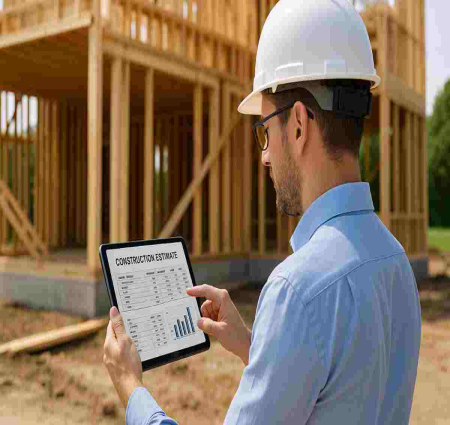
Technology has changed the way construction projects are planned, estimated, managed, and completed. In the past, contractors depended heavily on manual calculations, paper drawings, spreadsheets, and face-to-face communication. While these methods can still be useful, modern digital tools are helping construction companies work faster and with greater accuracy. From digital takeoffs and cloud-based project management to artificial intelligence and Building Information Modeling (BIM), technology is creating a more connected and efficient construction industry. Digital Estimating Is Improving Project Planning Accurate estimating is one of the most important parts of a successful construction project. Contractors need reliable information about materials, labor, equipment, and other project costs before submitting bids or starting work. Modern estimating software has made this process more organized and efficient. For renovation projects, Professional Renovation Estimating Services can help contractors understand project costs by using digital plans, specifications, and detailed quantity measurements. Digital estimating tools can reduce manual calculations and make it easier to identify changes in material quantities and labor requirements. Technology also allows estimators to update project information quickly. When drawings or specifications change, digital files can be revised without starting the entire estimating process again. This can save valuable time and help contractors prepare more competitive bids. Building Information Modeling Is Changing Construction Building Information Modeling, commonly known as BIM, has become an important technology in modern construction. BIM allows project teams to create detailed digital models that contain information about building components, dimensions, materials, and systems. Instead of relying only on two-dimensional drawings, architects, engineers, contractors, and estimators can review a shared digital model. This improves communication between different teams and can help identify potential problems before construction begins. Some major benefits of BIM include: Better visualization of building components Improved coordination between trades Early detection of design conflicts More accurate quantity information Easier project planning and communication Better documentation throughout the project By identifying conflicts before work begins, construction teams can reduce rework and avoid unnecessary costs. MEP Technology Improves Building Systems Mechanical, electrical, and plumbing systems are essential components of modern buildings. These systems can be complex because several trades often need to work within the same spaces. Digital tools make it easier to coordinate these systems and identify potential conflicts. Modern mep estimation services can use digital drawings and software to measure system components and develop organized cost information. Technology can help estimators review pipes, ducts, equipment, fixtures, electrical components, and other materials with greater consistency. Digital coordination is especially useful for large commercial and industrial projects. A well-coordinated digital model can show where mechanical, electrical, and plumbing systems are located, helping contractors understand installation requirements before work begins. Cloud-Based Project Management Cloud technology has made construction project management more flexible. Instead of keeping important information on individual computers or physical documents, project teams can store drawings, schedules, estimates, reports, and other files in cloud-based platforms. This allows authorized team members to access updated information from different locations. A contractor in the field can review drawings while an estimator works from the office. Project managers can also communicate updates without relying on outdated documents. Cloud-based platforms can improve: Document management Team communication Project scheduling Budget tracking Change order management Field reporting Having a central location for project information reduces confusion and helps teams stay aligned. Artificial Intelligence Is Supporting Construction Decisions Artificial intelligence is becoming another important technology in construction. AI-powered tools can analyze large amounts of project information and identify patterns that may be difficult to recognize manually. Construction companies can use AI to support estimating, scheduling, risk analysis, document review, and project management. For example, AI tools can help identify potential cost risks by analyzing historical project information and current project data. AI does not eliminate the need for experienced construction professionals. Instead, it can support their decisions by processing information quickly and highlighting areas that may require attention. Mobile Technology Is Connecting Field Teams Smartphones and tablets have become valuable tools for construction workers and project managers. Field teams can use mobile devices to access drawings, submit reports, take photographs, communicate with project managers, and record daily activities. Mobile technology can reduce the need for paperwork and improve the speed of communication. When an issue appears on a job site, workers can document it immediately and share the information with the appropriate team members. This faster communication can help prevent small issues from becoming larger project delays. Automation Is Reducing Repetitive Work Automation is helping construction professionals spend less time on repetitive administrative tasks. Software can automate calculations, organize project information, generate reports, and update certain project records. For estimators, automation can make repetitive measurement and calculation tasks more efficient. For project managers, automated notifications and reporting systems can make it easier to monitor deadlines and project progress. The goal is not simply to use more technology. The goal is to use technology where it provides measurable improvements in productivity, accuracy, and communication. Technology Is Supporting Safer Construction Sites Safety is another area where technology is making a difference. Digital safety platforms can help companies manage inspections, training records, incident reports, and compliance documentation. Wearable devices and connected equipment can also provide information about worker activity and equipment conditions. In some cases, technology can help identify unsafe situations before they result in an accident. Better access to safety information allows project managers and supervisors to respond more quickly when problems occur. The Future of Construction Technology The construction industry is continuing to move toward more connected and data-driven workflows. Technologies such as AI, BIM, cloud platforms, automation, drones, digital estimating software, and mobile applications are likely to become even more common. Construction companies that adopt useful technologies can improve their ability to manage costs, coordinate teams, and complete projects efficiently. However, technology works best when combined with skilled professionals who understand construction processes and can make informed decisions. Conclusion Technology is transforming construction by improving how projects are estimated, planned, coordinated, and managed. Digital tools are helping contractors reduce manual work, improve communication, identify problems earlier, and make better decisions. As construction projects become more complex, technology will continue to play an important role in improving efficiency and accuracy. Companies that combine modern digital solutions with experienced construction knowledge can create stronger workflows and remain competitive in an increasingly technology-driven industry.
Read Full Blog