Company Logo

Digital.blog.mehak

WEFRU7801261215202
Scan to visit website

Scan QR code to visit our website

Blog by Digital.blog.mehak | Digital Diary

" To Present local Business identity in front of global market"

Meri Kalam Se
Digital Diary Submit Post Digital.blog.mehak

Fire ? and Ice

Fire ? and Ice
The Destructive Nature of Passion and Hatred: An Analysis of Robert Frost's "Fire and Ice"Robert Frost's poem "Fire and Ice," published in 1920, is deceptively simple. Spanning just nine brief lines, the poem contrasts two contrasting theories regarding the apocalyptic end of the world. Beneath this literal debate about planetary destruction, however, lies a profound psychological and philosophica... Read More
The Destructive Nature of Passion and Hatred: An Analysis of Robert Frost's "Fire and Ice"Robert Frost's poem "Fire and Ice," published in 1920, is deceptively simple. Spanning just nine brief lines, the poem contrasts two contrasting theories regarding the apocalyptic end of the world. Beneath this literal debate about planetary destruction, however, lies a profound psychological and philosophical metaphor. Frost equates "fire" with intense human desire and passion, and "ice" with hatred and cold indifference. Through this brilliant symbolism, the poet warns that humanity's own unchecked emotional extremes are the ultimate threats to its survival.At the opening of the poem, the speaker presents two opposing views on the world's fate: "Some say the world will end in fire / Some say in ice". In the context of Frost's metaphorical framework, "fire" represents consuming, volatile emotions such as greed, lust, and unchecked ambition. Fire is fast-moving, ravenous, and difficult to contain. It feeds on whatever it touches, mirroring how an uncontrolled craving can lead to chaos and self-destruction. The speaker aligns himself with this fiery camp, noting, "From what I have tasted of desire / I hold with those who favor fire". By using the word "tasted," the narrator acknowledges his own human flaws and personal experiences with the dangerous allure of passionate desire.However, the poem then pivots to consider the alternative. Frost introduces "ice" as a symbol for hatred, prejudice, and silent indifference. While fire is explosive and active, ice is cold, rigid, and slowly suffocating. The poet recognizes that if the world were to be destroyed twice, the silent, chilling power of hate is equally devastating. The lines, "But if it had to perish twice, / I think I know enough of hate / To say that for destruction ice / Is also great / And would suffice," highlight the chilling reality that silent apathy and deep-seated grudges can dismantle societies just as effectively as fiery conflict.Furthermore, the poem's structure reflects its themes. The conversational, almost casual tone masks the gravity of the subject matter. The steady rhyme scheme and rhythm draw the reader in, lulling them into a false sense of comfort before delivering the sobering reality that human nature is intrinsically destructive.In conclusion, "Fire and Ice" transcends its apocalyptic imagery to deliver a timeless commentary on human nature. Robert Frost masterfully argues that both excess passion and total lack of empathy are incredibly dangerous. Whether consumed by the fiery flames of greed or frozen by the icy grip of hatred, the end result is identical. The poem serves as an enduring reminder of the necessity for emotional balance, self-control, and compassion in a chaotic world.
Read Full Blog

[email protected] 18 Jul 2026 21 Views

Mobile phone s

Mobile phone s
Mobile phones have revolutionized modern society, transforming from basic communication devices into essential pocket-sized computers. They have dramatically reshaped how we connect, work, and learn globally, while simultaneously sparking important debates regarding screen addiction, privacy, and digital isolation.IntroductionThe invention of the mobile phone is one of the most significant technol... Read More
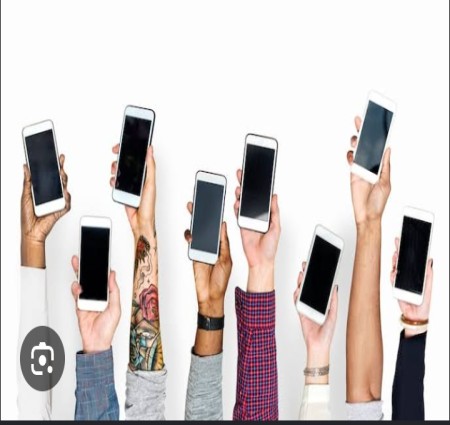
Mobile phones have revolutionized modern society, transforming from basic communication devices into essential pocket-sized computers. They have dramatically reshaped how we connect, work, and learn globally, while simultaneously sparking important debates regarding screen addiction, privacy, and digital isolation.IntroductionThe invention of the mobile phone is one of the most significant technological milestones in human history. First demonstrated in 1973, early devices were bulky and primarily used for voice calls. Today, modern "smartphones" act as powerful, portable computers that fit into the palm of our hands. They integrate cameras, internet browsers, GPS, and countless applications, making them central to our daily routines.Advantages and UsesThe impact of mobile phones on daily life is undeniable. They offer incredible convenience, keeping us connected with friends and family across the globe through voice calls, video chats, and instant messaging. In education and business, mobile phones provide instant access to information, allowing students to attend online classes and professionals to manage emails and digital transactions on the go. Furthermore, they have revolutionized entertainment, providing music, gaming, and streaming services in one accessible device.Disadvantages and ChallengesDespite their numerous benefits, mobile phones present notable challenges. Over-reliance and excessive screen time can lead to digital addiction, which harms physical health-such as causing eye strain and disrupting sleep cycles. Furthermore, it can diminish face-to-face social interactions, contributing to feelings of isolation and sometimes exposing users to privacy breaches or cyberbullying.ConclusionIn conclusion, the mobile phone is a highly powerful tool that, when used responsibly, significantly enhances productivity and connectivity. It bridges geographical divides and makes information universally accessible. However, it is crucial to establish healthy boundaries. By balancing our digital habits with real-world interactions, we can fully utilize the advantages of mobile technology while mitigating its negative effects.If you would like to tailor this essay, please let me know:What word count or grade level you are targetingWhether you want to focus on advantages, disadvantages, or bothIf you need a specific title to head the page
Read Full Blog
[email protected] 18 Jul 2026 18 Views

Clock

Clock
The invention of the clock is one of humankind's greatest achievements. It transformed how we understand, organize, and value time. From ancient shadow-tracking devices to modern digital wristwatches, the ability to measure time accurately has driven the development of global science, industry, and daily human coordination.The Dawn of Time MeasurementBefore mechanical clocks, early civilizatio... Read More
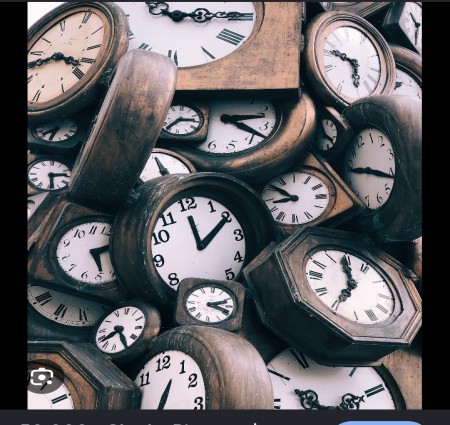
The invention of the clock is one of humankind's greatest achievements. It transformed how we understand, organize, and value time. From ancient shadow-tracking devices to modern digital wristwatches, the ability to measure time accurately has driven the development of global science, industry, and daily human coordination.The Dawn of Time MeasurementBefore mechanical clocks, early civilizations relied on nature to track the passage of time. Ancient Egyptians and Babylonians used the sun to create sundials and obelisks, using moving shadows to divide the day. However, these early tools were ineffective at night or on cloudy days. To solve this, inventors developed water clocks and hourglasses, which allowed people to measure the duration of time by the steady flow of liquid or sand.The Rise of Mechanical ClocksThe true turning point occurred during the Middle Ages in the 13th century when European inventors created the first mechanical clocks. These early machines were powered by heavy falling weights and controlled by a mechanism called an escapement, which regulated the release of energy.These early mechanical clocks were large and initially placed in town squares or church towers. In the 14th century, the pendulum was introduced, which dramatically improved accuracy and allowed clocks to keep standard, reliable time.Pocket Watches and PortabilityAs technology advanced, clocks became smaller. In the 16th century, German locksmith Peter Henlein invented the first portable timepieces, often referred to as pocket watches. This portable device allowed individuals to carry time with them, leading to the eventual invention of the modern wristwatch during the early 20th century.Modern Clocks and DigitalizationIn the 20th and 21st centuries, the clock underwent a technological revolution. The invention of the quartz clock in the 1920s used the vibrations of a quartz crystal to achieve unprecedented accuracy. Today, timekeeping has evolved into digital displays and smartwatches, relying on atomic vibrations for scientific accuracy.ConclusionThe invention of the clock is much more than the creation of a machine that tracks hours and minutes. It has shaped civilizations by enabling exact coordination in transportation, business, and scientific experiments. Time is one of our most precious resources, and the clock remains the most vital tool we have to organize our lives.If you need to expand this essay, I can help you:Add a section on atomic clocks and modern timekeeping.Provide a section highlighting famous clocks in history (like Big Ben or Jantar Mantar).Write a shorter, simplified version of this essay for a school presentation.
Read Full Blog
[email protected] 18 Jul 2026 23 Views

बूढ़ा आदमी

बूढ़ा आदमी
बूढ़े आदमी पर टिप्पणी" एक व्यापक विषय है, जिसे अलग-अलग दृष्टिकोणों (सामाजिक, मनोवैज्ञानिक, और दार्शनिक) से देखा जा सकता है। उपलब्ध जानकारी के आधार पर यहाँ मुख्य टिप्पणियाँ दी गई हैं: अनुभव और बुद्धिमत्ता का भंडार: वृद्ध लोगों को ज्ञान और अनुभव का खजाना माना जाता है, जो जीवन के कठिन समय में सही मार्गदर्शन कर सकते हैं। शारीरिक और मानसिक चुनौतियां: उम्र बढ़ने के साथ, शरीर कमजोर होने लगता है और तनाव ब... Read More
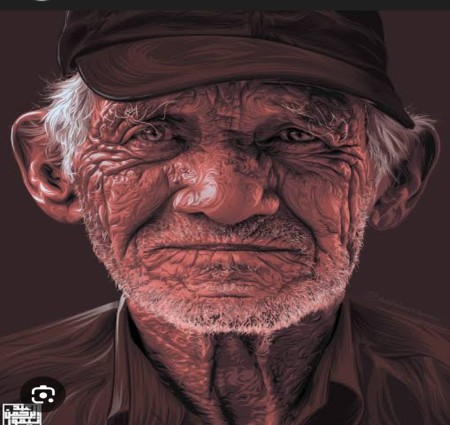
बूढ़े आदमी पर टिप्पणी" एक व्यापक विषय है, जिसे अलग-अलग दृष्टिकोणों (सामाजिक, मनोवैज्ञानिक, और दार्शनिक) से देखा जा सकता है। उपलब्ध जानकारी के आधार पर यहाँ मुख्य टिप्पणियाँ दी गई हैं: अनुभव और बुद्धिमत्ता का भंडार: वृद्ध लोगों को ज्ञान और अनुभव का खजाना माना जाता है, जो जीवन के कठिन समय में सही मार्गदर्शन कर सकते हैं। शारीरिक और मानसिक चुनौतियां: उम्र बढ़ने के साथ, शरीर कमजोर होने लगता है और तनाव बढ़ सकता है, जिससे मनोदशा प्रभावित होती है। अकेलापन और उपेक्षा: कई बार बुजुर्गों को परिवार या समाज से उचित सम्मान और देखभाल नहीं मिल पाती, जिससे वे खुद को अकेला महसूस करते हैं। परिवर्तन का प्रतीक: एक बूढ़ा व्यक्ति समय के साथ हुए बदलावों (जैसे पुरानी परंपराएं बनाम आधुनिक जीवनशैली) का गवाह होता है। स्वतंत्रता और जीवन की सच्चाई: बुढ़ापा जीवन के अंतिम चरण को दर्शाता है, जहाँ इंसान मृत्यु की सच्चाई के करीब होता है और भौतिक चीजों से मोह कम करने का अभ्यास करता है। सामाजिक जिम्मेदारी: युवा पीढ़ी की यह जिम्मेदारी है कि वे बुजुर्गों की जरूरतों का ध्यान रखें और उन्हें सम्मान दें, न कि उन पर फ्रस्ट्रेशन निकालें।  संक्षेप में, एक बूढ़ा आदमी न केवल समाज की नींव है, बल्कि वह अनुभव और प्यार का मार्गदर्शक भी है, जिसे देखभाल और आदर की आवश्यकता होती है।
Read Full Blog
[email protected] 22 Dec 2025 131 Views

कंप्यूटर के प्रकार

कंप्यूटर के प्रकार
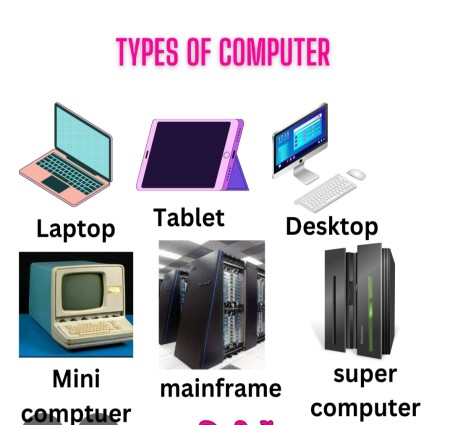
कंप्यूटर मुख्य रूप से कार्यप्रणाली (एनालॉग, डिजिटल, हाइब्रिड) और आकार व शक्ति (सुपर, मेनफ्रेम, मिनी, माइक्रो) के आधार पर कई प्रकार के होते हैं, जिनमें एनालॉग भौतिक मात्राएँ मापते हैं, डिजिटल गणना करते हैं, और हाइब्रिड दोनों का मिश्रण हैं; जबकि सुपर कंप्यूटर सबसे शक्तिशाली होते हैं और माइक्रो कंप्यूटर (जैसे पर्सनल कंप्यूटर) सबसे सामान्य होते हैं.  कार्यप्रणाली के आधार पर (Based on Functionality): ए... Read More
कंप्यूटर मुख्य रूप से कार्यप्रणाली (एनालॉग, डिजिटल, हाइब्रिड) और आकार व शक्ति (सुपर, मेनफ्रेम, मिनी, माइक्रो) के आधार पर कई प्रकार के होते हैं, जिनमें एनालॉग भौतिक मात्राएँ मापते हैं, डिजिटल गणना करते हैं, और हाइब्रिड दोनों का मिश्रण हैं; जबकि सुपर कंप्यूटर सबसे शक्तिशाली होते हैं और माइक्रो कंप्यूटर (जैसे पर्सनल कंप्यूटर) सबसे सामान्य होते हैं.  कार्यप्रणाली के आधार पर (Based on Functionality): एनालॉग कंप्यूटर (Analog Computer): ये तापमान, गति, वोल्टेज जैसी भौतिक मात्राओं को मापते हैं और उनका विश्लेषण करते हैं (जैसे स्पीडोमीटर). डिजिटल कंप्यूटर (Digital Computer): ये डेटा और गणना (numbers) पर काम करते हैं. आजकल के सभी पर्सनल कंप्यूटर इसी श्रेणी में आते हैं. हाइब्रिड कंप्यूटर (Hybrid Computer): ये एनालॉग और डिजिटल दोनों की क्षमता रखते हैं, जिनका उपयोग विज्ञान और चिकित्सा में होता है (जैसे ईसीजी मशीन).  आकार और शक्ति के आधार पर (Based on Size & Power): सुपर कंप्यूटर (Super Computer): सबसे तेज़, सबसे शक्तिशाली और महंगे, जटिल वैज्ञानिक गणनाओं के लिए उपयोग होते हैं. मेनफ्रेम कंप्यूटर (Mainframe Computer): बड़ी कंपनियों और संस्थाओं द्वारा बड़ी मात्रा में डेटा को प्रोसेस करने के लिए उपयोग किए जाते हैं (जैसे बैंक). मिनी कंप्यूटर (Mini Computer): मेनफ्रेम से छोटे लेकिन माइक्रो कंप्यूटर से बड़े, छोटे व्यवसायों और विभागों में उपयोग होते हैं. माइक्रो कंप्यूटर (Micro Computer): सबसे सामान्य प्रकार, इनमें पर्सनल कंप्यूटर (PC), लैपटॉप, टैबलेट और स्मार्टफोन शामिल हैं, जो व्यक्तिगत उपयोग के लिए होते हैं.  संक्षेप में: कंप्यूटर विभिन्न जरूरतों के अनुसार बनते हैं, जैसे सामान्य उपयोग के लिए माइक्रो कंप्यूटर और विशेष, उच्च-प्रदर्शन कार्यों के लिए सुपर कंप्यूटर, जबकि उनके काम करने के तरीके के आधार पर एनालॉग, डिजिटल और हाइब्रिड वर्गीकरण होता है. 
Read Full Blog
[email protected] 18 Dec 2025 142 Views

खानपान की बदलती तस्वीर

खानपान की बदलती तस्वीर दिखाती है कि कैसे वैश्वीकरण, शहरीकरण और तेज़ जीवनशैली के कारण भारतीय खाने में पारंपरिक स्थानीय व्यंजनों की जगह फास्ट फूड, पैकेटबंद भोजन और विदेशी व्यंजन (जैसे पिज्जा, बर्गर) बढ़ रहे हैं, जिससे विविधता तो आई है, पर स्थानीय स्वाद और पारिवारिक भोजन का महत्व कम हुआ है, और अब लोग 'हेल्थ फूड' और 'एथनिक फूड' के प्रति भी जागरूक हो रहे हैं, जो मिश्रित संस्कृति के फायद... Read More
खानपान की बदलती तस्वीर दिखाती है कि कैसे वैश्वीकरण, शहरीकरण और तेज़ जीवनशैली के कारण भारतीय खाने में पारंपरिक स्थानीय व्यंजनों की जगह फास्ट फूड, पैकेटबंद भोजन और विदेशी व्यंजन (जैसे पिज्जा, बर्गर) बढ़ रहे हैं, जिससे विविधता तो आई है, पर स्थानीय स्वाद और पारिवारिक भोजन का महत्व कम हुआ है, और अब लोग 'हेल्थ फूड' और 'एथनिक फूड' के प्रति भी जागरूक हो रहे हैं, जो मिश्रित संस्कृति के फायदे और नुकसान दोनों दिखाता है।  खानपान की बदलती तस्वीर के मुख्य बिंदु: पारंपरिक से आधुनिक की ओर: दाल-रोटी, चावल, स्थानीय सब्जियां जैसे पारंपरिक भोजन की जगह अब नूडल्स, पिज्जा, पास्ता जैसे क्विक-फूड ने ले ली है, क्योंकि कामकाजी लोगों और युवाओं के पास समय कम है। वैश्वीकरण का प्रभाव: अब देश-विदेश के व्यंजन आसानी से उपलब्ध हैं। गुजराती ढोकला-गांठिया और बंगाली मिठाइयाँ अब हर जगह मिलती हैं, जिससे खानपान की एक मिश्रित संस्कृति ( Mixed Food Culture) बनी है। सकारात्मक पहलू (फायदे): नई पीढ़ी को विभिन्न व्यंजनों (देश-विदेश के) को जानने का अवसर मिला है। इससे राष्ट्रीय एकता के नए बीज बोए गए हैं, क्योंकि लोग एक-दूसरे के व्यंजन चखते हैं। समय बचाने वाले विकल्प (जैसे 'टू मिनट्स नूडल्स') उपलब्ध हुए हैं। नकारात्मक पहलू (नुकसान): कई बार कई तरह के विपरीत प्रकृति वाले व्यंजन एक साथ खाने से उनका असली स्वाद नहीं मिल पाता। पारंपरिक व्यंजनों की जगह कम हो रही है और उनसे जुड़ा परिवारिक समय भी घट रहा है, जिससे सामाजिक बंधन कमजोर हो सकते हैं। स्वास्थ्य और जागरूकता: अब लोग अपने स्वास्थ्य के प्रति जागरूक हो रहे हैं, जिससे ऑर्गेनिक, ग्लूटेन-फ्री, वेगन और डाइट फूड की मांग बढ़ रही है। स्थानीय व्यंजनों का पुनरुद्धार: 'एथनिक' फूड के चलन के साथ स्थानीय और पारंपरिक व्यंजनों को बचाने और बढ़ावा देने की भी कोशिशें हो रही हैं, जो पहले आम थे।  निष्कर्ष: खानपान की यह बदलती तस्वीर एक दोधारी तलवार है, जो एक तरफ हमें दुनिया के जायके से जोड़ती है और सुविधा देती है, वहीं दूसरी तरफ यह हमारी जड़ों और पारंपरिक जीवनशैली से दूरी का कारण भी बन सकती है। इसलिए, आधुनिकता और परंपरा के बीच संतुलन बनाना ज़रूरी है, ताकि हम स्वास्थ्य और संस्कृति दोनों को बनाए रख‌ सके।
Read Full Blog
[email protected] 18 Dec 2025 444 Views

हमारे भारतीय सैनिक

हमारे भारतीय सैनिक
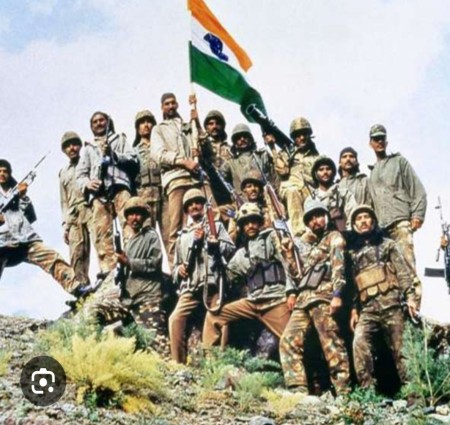
हमारे भारतीय सैनिक शक्ति, अनुशासन और बलिदान के प्रतीक हैं, जो देश की सीमाओं की रक्षा, एकता और अखंडता बनाए रखने के साथ-साथ प्राकृतिक आपदाओं में भी निस्वार्थ सेवा देते हैं; वे विविधता में एकता का प्रतिनिधित्व करते हैं और हर परिस्थिति के लिए प्रशिक्षित होते हैं, जो उन्हें राष्ट्र के लिए एक अमूल्य और सम्मानित शक्ति बनाता है।  भारतीय सैनिकों पर मुख्य बिंदु: 1. राष्ट्र रक्षक:  वे देश को बाहरी खतरों और आ... Read More
हमारे भारतीय सैनिक शक्ति, अनुशासन और बलिदान के प्रतीक हैं, जो देश की सीमाओं की रक्षा, एकता और अखंडता बनाए रखने के साथ-साथ प्राकृतिक आपदाओं में भी निस्वार्थ सेवा देते हैं; वे विविधता में एकता का प्रतिनिधित्व करते हैं और हर परिस्थिति के लिए प्रशिक्षित होते हैं, जो उन्हें राष्ट्र के लिए एक अमूल्य और सम्मानित शक्ति बनाता है।  भारतीय सैनिकों पर मुख्य बिंदु: 1. राष्ट्र रक्षक:  वे देश को बाहरी खतरों और आंतरिक चुनौतियों से बचाते हैं, जिससे नागरिक सुरक्षित रह पाते हैं। 2. बलिदान और साहस:  सैनिक अपने परिवार, व्यक्तिगत जीवन और यहां तक कि अपने प्राणों का भी त्याग करते हैं; उनका साहस और वीरता सराहनीय है। 3. एकता और विविधता:  विभिन्न धर्मों, क्षेत्रों और संस्कृतियों के सैनिक एक साथ मिलकर 'विविधता में एकता' का सच्चा उदाहरण पेश करते हैं। 3. अनुशासन और प्रशिक्षण:  उन्हें शारीरिक, मानसिक और आध्यात्मिक रूप से कठोर प्रशिक्षण दिया जाता है ताकि वे हर चुनौती का सामना कर सकें। 4. मानवीय सहायता:  युद्ध के अलावा, वे बाढ़, भूकंप जैसी प्राकृतिक आपदाओं में राहत और बचाव कार्यों में महत्वपूर्ण भूमिका निभाते हैं। 5. आधुनिकता और आत्मनिर्भरता : भारतीय सेना आधुनिक तकनीक और नवाचारों को अपना रही है, जैसे कि इलेक्ट्रिक सामरिक वाहन, जो आत्मनिर्भरता की दिशा में एक कदम है। 6. गौरव और सम्मान:  वे हर भारतीय के गौरव और विश्वास का स्रोत हैं, और देश के प्रति उनकी प्रतिबद्धता अद्वितीय है।  संक्षेप में, भारतीय सैनिक सिर्फ एक बल नहीं, बल्कि राष्ट्र के गौरव, सुरक्षा और भविष्य की नींव हैं, जिन्हें हमेशा सलाम किया जाना चाहिए। 
Read Full Blog
[email protected] 18 Dec 2025 137 Views

आयुर्वेद

आयुर्वेद
आयुर्वेद, जिसका शाब्दिक अर्थ "जीवन का विज्ञान" है (संस्कृत शब्द 'आयुः' जिसका अर्थ 'जीवन' और 'वेद' जिसका अर्थ 'ज्ञान' या 'विज्ञान' है), भारत की एक प्राचीन और पारंपरिक समग्र चिकित्सा प्रणाली है। यह लगभग 3,000 से 5,000 साल पहले भारत में उत्पन्न हुई थी और आज भी व्यापक रूप से प्रचलित है।  मुख्य सिद्धांत समग्र दृष्टिकोण: आयुर्वेद शरीर, मन और आत्मा को एक संपूर्ण इक... Read More
आयुर्वेद, जिसका शाब्दिक अर्थ "जीवन का विज्ञान" है (संस्कृत शब्द 'आयुः' जिसका अर्थ 'जीवन' और 'वेद' जिसका अर्थ 'ज्ञान' या 'विज्ञान' है), भारत की एक प्राचीन और पारंपरिक समग्र चिकित्सा प्रणाली है। यह लगभग 3,000 से 5,000 साल पहले भारत में उत्पन्न हुई थी और आज भी व्यापक रूप से प्रचलित है।  मुख्य सिद्धांत समग्र दृष्टिकोण: आयुर्वेद शरीर, मन और आत्मा को एक संपूर्ण इकाई के रूप में देखता है। त्रिदोष सिद्धांत: यह प्रणाली इस सिद्धांत पर आधारित है कि ब्रह्मांड की हर चीज, जिसमें मानव शरीर भी शामिल है, पाँच मूल तत्वों (पृथ्वी, जल, अग्नि, वायु और आकाश) से बनी है, जो शरीर में तीन प्रमुख जीवन शक्तियों या शारीरिक गुणों (दोषों) के रूप में मौजूद होती हैं: वात (वायु और आकाश) पित्त (अग्नि और जल) कफ (पृथ्वी और जल) संतुलन ही स्वास्थ्य है: आयुर्वेद मानता है कि इन दोषों का संतुलित होना अच्छे स्वास्थ्य की निशानी है। दोषों में असंतुलन या व्यवधान बीमारी का कारण बन सकता है। व्यक्तिगत उपचार: प्रत्येक व्यक्ति की दोषों की एक अद्वितीय संयोजन (प्रकृति) होती है, जो गर्भाधान के समय तय हो जाती है। इसलिए, उपचार योजना व्यक्तिगत होती है।  उपचार और पद्धतियाँ आयुर्वेद में उपचार का उद्देश्य केवल लक्षणों को दूर करना नहीं, बल्कि असंतुलन के मूल कारणों को संबोधित करके स्वास्थ्य को बहाल करना है। इसमें निम्नलिखित शामिल हैं:  आहार और जीवनशैली में बदलाव: उचित आहार और दैनिक दिनचर्या (दिनचर्या) पर विशेष जोर दिया जाता है। हर्बल दवाएं: उपचार में जड़ी-बूटियों और प्राकृतिक पदार्थों का उपयोग किया जाता है। पंचकर्म: यह शरीर से विषाक्त पदार्थों को निकालने (शुद्धिकरण) के लिए एक प्रमुख डिटॉक्सिफिकेशन थेरेपी है, जिसमें वमन, विरेचन, बस्ती, नस्य और रक्तमोक्षण जैसी प्रक्रियाएं शामिल हैं। योग और ध्यान: मानसिक और शारीरिक कल्याण के लिए योग, ध्यान और व्यायाम भी महत्वपूर्ण माने जाते हैं।  इतिहास और ग्रंथ आयुर्वेद का ज्ञान मौखिक परंपरा के माध्यम से सदियों तक चला और फिर वेदों, विशेषकर अथर्ववेद में संकलित किया गया। प्रमुख आयुर्वेदिक ग्रंथ हैं:  चरक संहिता: मुख्य रूप से आंतरिक चिकित्सा (काय चिकित्सा) पर केंद्रित है। सुश्रुत संहिता: इसमें शल्य चिकित्सा (सर्जरी) और सर्जिकल उपकरणों का विस्तृत वर्णन है। अष्टांग संग्रह: यह वाग्भट द्वारा लिखित एक प्रभावशाली ग्रंथ है। 
Read Full Blog
[email protected] 18 Dec 2025 140 Views

इंडिया गेट

इंडिया गेट
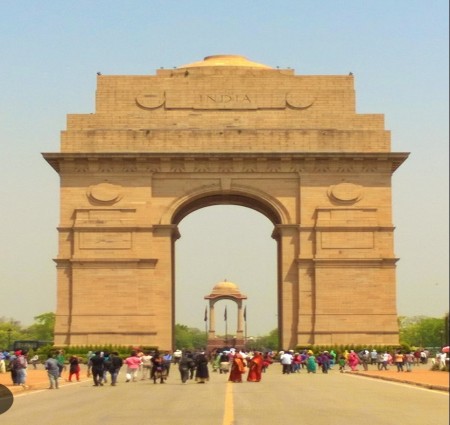
इंडिया गेट दिल्ली का एक प्रतिष्ठित युद्ध स्मारक है, जिसे सर एडविन लुटियंस ने डिज़ाइन किया था, जो प्रथम विश्व युद्ध और तीसरे अफ़ग़ान युद्ध में शहीद हुए भारतीय और ब्रिटिश सैनिकों (लगभग 70,000) को श्रद्धांजलि देता है, जिस पर शहीदों के नाम अंकित हैं और यह 'अमर जवान ज्योति' का स्थल भी है, जो एक लोकप्रिय पर्यटन और पिकनिक स्थल है, जहाँ लोग स्मारक की भव्यता और आसपास के लॉन व फव्वारों का आनंद लेते... Read More
इंडिया गेट दिल्ली का एक प्रतिष्ठित युद्ध स्मारक है, जिसे सर एडविन लुटियंस ने डिज़ाइन किया था, जो प्रथम विश्व युद्ध और तीसरे अफ़ग़ान युद्ध में शहीद हुए भारतीय और ब्रिटिश सैनिकों (लगभग 70,000) को श्रद्धांजलि देता है, जिस पर शहीदों के नाम अंकित हैं और यह 'अमर जवान ज्योति' का स्थल भी है, जो एक लोकप्रिय पर्यटन और पिकनिक स्थल है, जहाँ लोग स्मारक की भव्यता और आसपास के लॉन व फव्वारों का आनंद लेते हैं, साथ ही यह दिल्ली के स्ट्रीट फूड के लिए भी प्रसिद्ध है।  मुख्य बिंदु: डिज़ाइन और निर्माण: इसका डिज़ाइन सर एडविन लुटियंस ने किया था और इसकी नींव 1920 में रखी गई थी, जिसका अनावरण 1931 में हुआ। शहीदों को श्रद्धांजलि: यह उन 70,000 भारतीय और ब्रिटिश सैनिकों को समर्पित है, जिन्होंने प्रथम विश्व युद्ध (1914-1919) और तीसरे एंग्लो-अफ़ग़ान युद्ध में अपनी जान गंवाई थी। अमर जवान ज्योति: स्वतंत्रता के बाद, यह भारत के अज्ञात सैनिकों को समर्पित 'अमर जवान ज्योति' का स्थल बन गया, जो एक शाश्वत लौ है। स्थान और महत्व: यह नई दिल्ली में राजपथ (अब कर्तव्य पथ) के पूर्वी छोर पर स्थित है और भारतीय इतिहास और वास्तुकला का एक महत्वपूर्ण प्रतीक है। पर्यटन स्थल: अपनी खूबसूरती, शांत वातावरण और फव्वारों के कारण यह पर्यटकों, खासकर परिवारों के लिए एक पसंदीदा पिकनिक स्पॉट है, जहाँ स्ट्रीट फूड का भी आनंद लिया जा सकता है।  संक्षेप में: इंडिया गेट सिर्फ एक स्मारक नहीं, बल्कि भारतीय सैनिकों के बलिदान का प्रतीक, एक ऐतिहासिक धरोहर और दिल्ली का एक जीवंत पर्यटन केंद्र है, जो इतिहास और वर्तमान को एक साथ जोड़ता है।
Read Full Blog
[email protected] 18 Dec 2025 144 Views

लाल बहादुर शास्त्री

लाल बहादुर शास्त्री
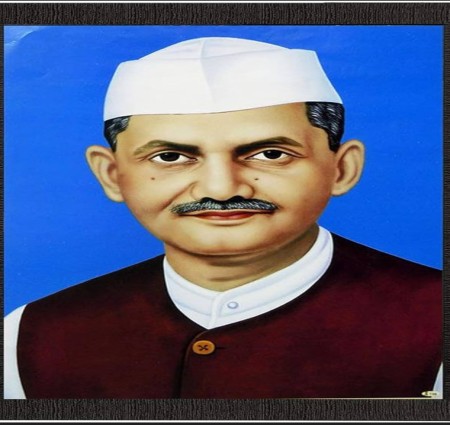
लाल बहादुर शास्त्री भारत के दूसरे प्रधानमंत्री थे, जो अपनी सादगी, ईमानदारी और दृढ़ नेतृत्व के लिए जाने जाते हैं; उन्होंने 'जय जवान, जय किसान' का नारा दिया और 1965 के भारत-पाकिस्तान युद्ध के दौरान देश का सफल नेतृत्व किया, 1966 में ताशकंद में उनका निधन हुआ और उन्हें मरणोपरांत भारत रत्न से सम्मानित किया गया, जो देश के सबसे प्रिय नेताओं में से एक हैं।  प्रारंभिक जीवन और शिक्षा जन्म: 2 अक्टूबर... Read More
लाल बहादुर शास्त्री भारत के दूसरे प्रधानमंत्री थे, जो अपनी सादगी, ईमानदारी और दृढ़ नेतृत्व के लिए जाने जाते हैं; उन्होंने 'जय जवान, जय किसान' का नारा दिया और 1965 के भारत-पाकिस्तान युद्ध के दौरान देश का सफल नेतृत्व किया, 1966 में ताशकंद में उनका निधन हुआ और उन्हें मरणोपरांत भारत रत्न से सम्मानित किया गया, जो देश के सबसे प्रिय नेताओं में से एक हैं।  प्रारंभिक जीवन और शिक्षा जन्म: 2 अक्टूबर 1904 को मुगलसराय, उत्तर प्रदेश में हुआ। संघर्षपूर्ण बचपन: गरीबी और पिता के असामयिक निधन के कारण उनका बचपन संघर्षपूर्ण रहा। "शास्त्री" उपाधि: काशी विद्यापीठ से स्नातक की उपाधि प्राप्त की, जिसके बाद वे 'शास्त्री' कहलाए।  स्वतंत्रता संग्राम में भूमिका गांधीवादी विचारधारा: महात्मा गांधी के विचारों से प्रभावित होकर स्वतंत्रता आंदोलन में सक्रिय रूप से भाग लिया। जेल यात्रा: कई बार जेल गए और असहयोग व भारत छोड़ो आंदोलन में महत्वपूर्ण भूमिका निभाई।  प्रधानमंत्री के रूप में (1964-1966) 'जय जवान, जय किसान': युद्ध के समय देश को एकजुट करने और आत्मनिर्भरता के लिए यह नारा दिया। 1965 का युद्ध: पाकिस्तान के साथ युद्ध में देश का नेतृत्व किया और जीत हासिल की, जिसके बाद ताशकंद समझौता हुआ। सादगी और ईमानदारी: प्रधानमंत्री रहते हुए भी वे बेहद सरल जीवन जीते थे, जो उनकी पहचान बनी।  विरासत भारत रत्न: देश के लिए असाधारण सेवा के लिए उन्हें मरणोपरांत 1966 में भारत रत्न से सम्मानित किया गया। प्रेरणा: उनकी सादगी, देशभक्ति और दृढ़ संकल्प आज भी लाखों लोगों के लिए प्रेरणास्रोत हैं।  प्रमुख योगदान ताशकंद समझौता: पाकिस्तान के साथ शांति स्थापित करने के लिए ताशकंद में समझौता किया। हरित क्रांति: कृषि क्षेत्र में आत्मनिर्भरता पर जोर दिया, जो हरित क्रांति का आधार बना। नैतिक नेतृत्व: एक ऐसे समय में नेतृत्व किया जब देश को एकता और नैतिकता की आवश्यकता थी।  संक्षेप में, लाल बहादुर शास्त्री एक दूरदर्शी, सरल और निस्वार्थ नेता थे, जिन्होंने अपने छोटे से कार्यकाल में देश को मुश्किल समय से निकाला और एक मजबूत विरासत छोड़ी। 
Read Full Blog
[email protected] 17 Dec 2025 173 Views

Blog Catgories