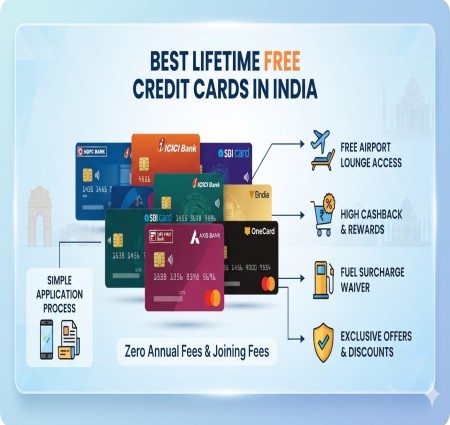
Apply for a Credit Card Online in India: Complete Guide to the Best Credit Cards, Eligibility, Benefits, Fees, Rewards and Application Process Looking for the right credit card in India? Whether you want cashback on everyday purchases, reward points, travel benefits, shopping offers, fuel benefits, flexible payment options, or a simple way to manage your regular expenses, choosing the right credit card can make a significant difference. Today, applying for a credit card online has become convenient. You can compare different credit cards, check eligibility, understand fees and benefits, and start your application online without visiting a branch in many cases. However, choosing a credit card should not be based only on advertisements, welcome offers, or the words "best credit card." The right credit card depends on your income, spending habits, financial goals, repayment ability, credit history, preferred rewards, fees, and the features that are actually useful to you. This comprehensive guide explains how to apply for a credit card online in India, how credit card applications work, how to compare credit cards, what eligibility factors may matter, how cashback and rewards work, what fees you should check, and how to choose a card according to your requirements. What Is a Credit Card? A credit card is a payment facility that allows an eligible customer to make purchases and other permitted transactions using a credit limit provided by the card issuer. Unlike a debit card, where the transaction generally uses money available in your bank account, a credit card provides a credit facility that must be repaid according to the card's billing and payment terms. When used responsibly, a credit card can provide convenience, rewards, cashback, discounts, travel benefits, purchase-related offers, and opportunities to establish a positive credit history. At the same time, a credit card should not be treated as free money. It is a financial product, and responsible repayment is essential. Why Apply for a Credit Card Online? Online credit card applications make it easier for customers to research and compare cards before applying. Instead of choosing a card without understanding its features, you can first identify your requirements and then compare relevant options. When you apply for a credit card online, you may be able to: Explore different credit card categories. Compare rewards and cashback benefits. Check applicable fees and charges. Review eligibility requirements. Understand major card features. Complete an application online. Track application status where such facility is available. Online application is convenient, but convenience should not replace careful comparison. Always read the applicable terms and conditions before submitting an application. Who Should Consider a Credit Card? A credit card may be useful for people who can manage their spending responsibly and repay their dues on time. Different people may look for credit cards for different reasons. For example: A salaried employee may want cashback on regular expenses. A frequent traveller may want travel rewards. An online shopper may prefer shopping-related offers. A business owner may be interested in a business credit card. A frequent fuel spender may look for fuel-related benefits. A beginner may want a simple card with easy-to-understand features. A rewards-focused user may want reward points on eligible transactions. There is no single credit card that is automatically the best option for everyone. Your personal requirements should determine which card you compare. How to Choose the Right Credit Card? Choosing the right credit card starts with understanding your spending habits. Before you apply, consider the following questions: How much do I spend every month? Where do I spend most of my money? Do I prefer cashback or reward points? Do I travel frequently? Do I want a low-fee or no-annual-fee card? Do I need shopping benefits? Do I have regular fuel expenses? Do I want business-related benefits? Can I comfortably repay my credit card bill? What type of credit card is suitable for my financial profile? Step 1: Research and Compare Credit Cards Research is the first step before applying for a credit card. Do not select a card only because it has a popular name or a large promotional offer. Search for credit cards according to your specific requirement. Popular Credit Card Search Terms Best credit cards in India Best credit card for beginners Best cashback credit card Best rewards credit card Best travel credit card Best credit card for online shopping Best credit card for fuel No annual fee credit card Low fee credit card Credit card for salaried professionals Credit card for self-employed individuals Business credit card Credit card for students Credit card for building credit history Credit card eligibility check Credit card apply online What Should You Compare? When comparing credit cards, look beyond the headline offer. Joining fee Annual or renewal fee Applicable interest or finance charges Cashback rate Reward points Reward redemption rules Welcome benefits Milestone benefits Travel benefits Fuel benefits Shopping offers Foreign transaction charges Late payment charges Cash withdrawal charges Other applicable fees Step 2: Check Your Credit Score and Credit Profile Your credit profile may be an important part of a credit card application. Issuers may consider credit history and other eligibility factors while assessing an application. Before applying, it can be useful to understand your credit profile and review your credit report for accuracy. Remember that approval is not determined by one factor alone. An issuer may consider income, employment or occupation, existing credit obligations, repayment history, internal criteria, and other applicable factors. Why Is Credit Score Important? A credit score is a numerical representation of certain aspects of your credit history. A healthy credit history may demonstrate responsible borrowing and repayment behaviour. However, having a particular credit score does not guarantee approval for every credit card. Different issuers and card products can have different eligibility requirements. Step 3: Choose the Credit Card That Matches Your Needs After researching different options, choose the card that best matches your spending pattern and financial requirements. For example, if most of your expenses are online purchases, a shopping or cashback-focused card may be worth comparing. If you travel frequently, you may prefer to compare travel reward cards. If avoiding annual fees is your priority, compare no-annual-fee cards. If you are interested in building credit history, look for products designed for your profile and understand their terms before applying. Step 4: Visit the Official or Authorized Application Channel Once you have selected a suitable card, use the official issuer website or an authorized application channel to begin the application. Before submitting your application, verify the card name, benefits, fees, eligibility criteria, applicable charges, and terms. If you are using a credit card comparison or lead-generation website, the website should clearly explain where the application is being submitted and who is responsible for the final approval decision. Check Eligibility and Apply Online Step 5: Fill Out the Online Credit Card Application A credit card application may request personal, contact, employment, income, and verification information. Common Information That May Be Required Full name Date of birth Mobile number Email address Residential address Employment details Income-related information Identity verification information Address verification information Other information required by the issuer Requirements can vary depending on the issuer, card type, and applicant profile. Always provide accurate information. Do not submit incorrect or misleading details simply to improve the possibility of approval. Step 6: Read the Credit Card Terms and Conditions One of the most important steps before applying for a credit card is reading the applicable terms and conditions. Many people focus on cashback, rewards, discounts, and welcome offers but ignore the cost of using the card. Important Charges to Check Joining fee Annual fee Renewal fee Finance charges or applicable interest Late payment charges Cash advance charges Foreign transaction-related charges Balance transfer-related charges EMI-related charges Other applicable service charges Always check the latest official terms before applying because fees, offers, reward structures, and eligibility conditions can change. Step 7: Submit Your Credit Card Application After completing the application and reviewing the details, you can submit it through the relevant application channel. The final decision is made by the card issuer based on its eligibility and assessment process. Therefore, a third-party website should not make unsupported claims such as "100% guaranteed approval" or "guaranteed credit limit." After submitting your application, you may be able to track the application status through the issuer's available tracking facility. Best Cashback Credit Cards Cashback credit cards are popular among customers who want to receive cashback benefits on eligible purchases. Depending on the card, cashback may be offered at a flat rate or at different rates for selected categories. How Does Cashback Work? Suppose a credit card offers a specified cashback rate on an eligible transaction. If you make an eligible purchase of ₹10,000 and the applicable cashback rate is 1%, the cashback would theoretically be ₹100. However, actual cashback depends on the card's terms, eligible categories, exclusions, caps, minimum transaction requirements, and other applicable conditions. Features to Compare in Cashback Credit Cards Cashback percentage Eligible categories Monthly or billing-cycle cashback cap Minimum spending requirements Excluded transactions Cashback redemption method Joining fee Annual fee Interest or finance charges Who Should Consider a Cashback Credit Card? Cashback cards may be useful for customers who regularly spend on eligible categories such as online shopping, groceries, dining, utilities, or other qualifying transactions. However, you should never spend extra money merely to earn cashback. A cashback reward is valuable only when it supports your normal spending pattern and does not lead to unnecessary debt. No Annual Fee Credit Cards No annual fee credit cards can be attractive to people who want to avoid a yearly membership charge. However, "no annual fee" does not mean that the card has no charges at all. Other fees, interest, late payment charges, cash withdrawal charges, foreign transaction fees, or other applicable charges may still apply depending on the product. Potential Benefits of No Annual Fee Credit Cards No regular annual membership fee under applicable terms Potential cashback or reward benefits Lower ongoing cost for eligible users Useful for users who do not want premium annual fees May offer other card-specific benefits What to Check Before Choosing a No Annual Fee Card? Reward structure Cashback structure Interest rate Late payment charges Foreign transaction charges Cash withdrawal charges Other service fees Low Interest Credit Cards Low-interest credit cards can be considered by people who want to understand the cost of carrying an outstanding balance. Do not compare cards only by looking at an advertised introductory rate. Check the applicable regular rate, promotional period, fees, balance transfer charges, and other conditions. Why Is the Interest Rate Important? If you do not pay your total outstanding amount as required by the applicable terms, finance charges may increase the cost of borrowing. This is why users should understand the applicable interest rate before applying for any credit card. Things to Check in Low Interest Credit Cards Regular applicable APR or finance charges Introductory rate period Balance transfer terms Balance transfer fee Late payment charges Other applicable fees Travel Rewards Credit Cards Travel rewards credit cards are designed for users who want to earn points, miles, or other benefits from eligible spending that may be used for travel-related purposes according to the card's terms. Travel Credit Card Benefits May Include Travel reward points Airline-related benefits Hotel-related benefits Travel booking offers Airport lounge benefits where applicable Travel-related insurance benefits where offered Partner offers Reward redemption options Who Should Consider a Travel Credit Card? Frequent travellers, business travellers, and customers with significant travel-related spending may find travel cards worth comparing. However, travel cards can sometimes have annual fees. Compare the annual fee with the actual value you expect to receive from the benefits. Secured Credit Cards Secured credit cards can be designed for customers who may have limited or damaged credit history. Depending on the product, a security deposit may be required. The security deposit and credit limit relationship depends on the specific card's terms. Things to Check Before Choosing a Secured Credit Card Security deposit requirement Credit limit rules Annual fee Interest rate Credit bureau reporting Upgrade or graduation policy Deposit refund conditions Other applicable charges Student Credit Cards Students who meet the applicable eligibility requirements may explore student-oriented credit card options. The most important consideration should be responsible spending and repayment. Students should understand the fees, payment due dates, interest charges, and other terms before using a credit card. Business Credit Cards Business credit cards can be useful for eligible business owners, entrepreneurs, professionals, and self-employed individuals who want to manage certain business expenses through a dedicated credit facility. Potential Uses of Business Credit Cards Business purchases Office expenses Business travel Online subscriptions Business-related payments Expense management Eligible rewards Before applying, check the eligibility requirements, documentation, fees, limits, employee-card rules, and other applicable terms. Credit Cards for Online Shopping If you regularly shop online, you can compare credit cards that offer rewards, cashback, discounts, or other benefits on eligible online transactions. Before choosing a shopping credit card, check merchant exclusions, cashback limits, minimum transaction values, eligible platforms, and offer validity. Credit Cards for Fuel Expenses People who spend a significant amount on fuel can compare cards offering fuel-related benefits. Potential features may include fuel surcharge-related benefits, reward points, or partner offers. Actual benefits depend on the card's terms and participating merchants. Credit Cards for Grocery Spending If groceries represent a significant part of your monthly budget, you may compare cards offering rewards or cashback on eligible grocery transactions. Do not assume that every grocery transaction qualifies for the advertised reward rate. Always check the current card terms and exclusions. Credit Cards for Dining Dining-focused credit cards may offer discounts, rewards, cashback, or partner offers at eligible restaurants or platforms. If dining is a major part of your monthly spending, compare the actual benefits with the card's fees and other conditions. Credit Cards for Salaried Professionals Salaried individuals may have access to different credit card products depending on their income, employment profile, banking relationship, credit history, and the issuer's eligibility criteria. Rather than choosing a card simply because you are salaried, consider your spending habits and repayment ability. Credit Cards for Self-Employed Individuals Self-employed professionals and business owners may have different documentation and eligibility requirements from salaried applicants. If you are self-employed, check the issuer's specific income documentation and eligibility requirements before applying. Credit Cards for Beginners If this is your first credit card, choose simplicity over unnecessary complexity. A beginner should understand: Credit limit Billing cycle Statement date Payment due date Total amount due Minimum amount due Interest charges Annual fee Reward rules New users should avoid spending simply because credit is available. The amount you can borrow is not necessarily the amount you should spend. What Is a Credit Card Billing Cycle? A billing cycle is a period during which eligible transactions and other account activity are recorded for the purpose of generating a credit card statement. Your statement may contain transaction details, payments, fees, applicable charges, total amount due, minimum amount due, and the payment due date. What Is Total Amount Due? The total amount due represents the amount shown on your credit card statement that is payable according to the statement terms. Paying the required total amount by the due date may help you avoid certain interest consequences, subject to the card's applicable terms and transaction type. What Is Minimum Amount Due? The minimum amount due is the minimum payment specified on your credit card statement. Paying only the minimum amount does not generally mean that your entire outstanding balance has been cleared. The remaining balance may continue to attract applicable finance charges. Therefore, credit card users should understand the difference between minimum payment and full repayment. What Is a Credit Card Due Date? The due date is the date specified by the issuer by which the required payment should be made according to the statement. Missing a due date can result in applicable late payment charges and other financial consequences. Setting reminders can help you maintain disciplined repayment habits. When Can Credit Card Interest Apply? Interest or finance charges depend on the card's terms, transaction type, payment behaviour, and other applicable conditions. If you do not pay the required amount according to the applicable terms, finance charges may increase the cost of using the credit facility. This is one of the most important reasons to understand the card's applicable APR or finance charges before applying. Should You Pay Only the Minimum Amount Due? Paying the minimum amount due may satisfy the minimum payment requirement, but it should not automatically be considered an ideal repayment strategy. If you continue carrying an outstanding balance, applicable interest and other charges can increase the total cost of borrowing. Whenever financially possible and appropriate, paying the statement balance according to the applicable terms can help maintain better financial discipline. Benefits of Using a Credit Card Convenient digital payments Cashback on eligible transactions Reward points Travel-related benefits Shopping offers Fuel-related benefits Potential credit history building Transaction tracking through statements Card-specific discounts Eligible EMI or payment options Potential Risks of Credit Cards Credit cards can be useful financial tools, but irresponsible usage can create financial pressure. High finance charges on carried balances Late payment charges Annual or joining fees Cash withdrawal charges Overspending Debt accumulation Possible negative impact from poor repayment behaviour 10 Questions to Ask Before Applying for a Credit Card What is the joining fee? What is the annual or renewal fee? Can the annual fee be waived? How does the cashback or reward structure work? Are there cashback or reward caps? Which transactions are excluded? What are the applicable interest or finance charges? What are the late payment charges? What are the eligibility requirements? Does this card actually match my spending habits? How to Compare Credit Cards Online Online comparison can help you shortlist credit cards according to your requirements. Feature Card A Card B Card C Joining Fee {{FEE}} {{FEE}} {{FEE}} Annual Fee {{FEE}} {{FEE}} {{FEE}} Cashback {{CASHBACK}} {{CASHBACK}} {{CASHBACK}} Rewards {{REWARDS}} {{REWARDS}} {{REWARDS}} Travel Benefits {{BENEFITS}} {{BENEFITS}} {{BENEFITS}} Eligibility {{ELIGIBILITY}} {{ELIGIBILITY}} {{ELIGIBILITY}} Application Apply Now Apply Now Apply Now Credit Card Online Application Process Identify your financial requirement. Choose a suitable credit card category. Compare available cards. Check eligibility. Review fees and charges. Compare rewards and benefits. Prepare required information. Start the online application. Fill in your details accurately. Review terms and conditions. Submit the application. Track application status if the facility is available. Common Credit Card Application Mistakes 1. Choosing a Card Only for Cashback Cashback is attractive, but it should not be the only factor. Check annual fees, eligibility, cashback caps, exclusions, and other charges. 2. Ignoring the Interest Rate A reward may be insignificant compared with the cost of carrying an unpaid balance. Always understand the applicable finance charges. 3. Paying Only the Minimum Amount Without Understanding the Cost Minimum payment does not necessarily clear your entire outstanding balance. Understand what happens to the remaining amount. 4. Ignoring the Annual Fee A premium card can have valuable benefits, but the annual fee should be compared with the value you realistically expect to receive. 5. Applying for Multiple Cards Without a Need Do not submit multiple applications simply because several advertisements appear attractive. First compare your requirements and eligibility. 6. Spending More to Earn Rewards Never spend unnecessarily just to achieve a cashback, reward, or milestone target. 7. Not Reading Exclusions Reward and cashback programs can have exclusions and transaction-specific conditions. Always read the current terms. How to Increase Credit Card Sales Online? If you are offering or promoting credit cards online, your website should focus on both SEO traffic and high-intent conversion. A user searching for "what is a credit card" is at a different stage of the buying journey from someone searching for "credit card apply online." Your content strategy should address both informational and transactional search intent. Informational Search Intent What is a credit card? How does a credit card work? What is a credit score? What is minimum amount due? What is a billing cycle? How does credit card interest work? Commercial Search Intent Best cashback credit card Best travel credit card Best rewards credit card No annual fee credit card Best credit card for online shopping Best credit card for beginners Transactional Search Intent Credit card apply online Apply credit card online Credit card application online Credit card eligibility check Credit card apply now Online credit card application High-Intent Credit Card Keywords credit card apply online apply credit card online best credit card apply online credit card application online online credit card application credit card eligibility credit card eligibility check credit card offers credit card comparison best credit card in India cashback credit card apply travel credit card apply rewards credit card apply business credit card apply credit card for beginners credit card for salaried person credit card for self employed How to Build a Credit Card Landing Page That Converts A credit card landing page should answer the user's most important questions before asking them to apply. Important Landing Page Elements Clear credit card name Simple headline Main benefits Eligibility criteria Fees and charges Rewards or cashback details Important exclusions Application process Frequently Asked Questions Trust information Clear Apply Now button Important disclaimer Effective Credit Card Call to Action Your CTA should be clear and accurate rather than misleading. Check Eligibility & Apply Online Compare Credit Cards View Card Details Why Trust Matters in Credit Card Sales Financial product websites need to provide clear and transparent information. Users should understand which issuer offers the card, where their application is being submitted, what information may be required, and who makes the final approval decision. Do not hide important fees behind an aggressive sales message. Transparent information can improve user confidence and create better-quality leads. Should Everyone Get a Credit Card? No. A credit card is a financial tool, not a necessity for everyone. If you are unable to manage repayments or tend to overspend when credit is available, applying for a credit card may not be suitable for you. A credit card should be considered only when you understand the repayment responsibility and can manage the associated costs. Responsible Credit Card Usage Pay your required amount on time. Understand your statement. Keep track of your due date. Avoid unnecessary spending. Understand interest and fees. Do not treat your credit limit as a spending target. Review transactions regularly. Do not share sensitive authentication information with unauthorized people. Use rewards as a benefit, not as a reason to overspend. Frequently Asked Questions About Credit Cards How can I apply for a credit card online? Compare suitable cards, check eligibility, review fees and benefits, visit the relevant official or authorized application channel, enter the required information accurately, review the applicable terms, and submit the application. Which is the best credit card in India? There is no single credit card that is best for everyone. The right card depends on your spending habits, income profile, financial goals, preferred benefits, fees, and repayment ability. What is a cashback credit card? A cashback credit card provides cashback benefits on eligible transactions according to the card's terms. The cashback rate, limits, eligible categories, exclusions, and redemption rules vary by card. What is a no annual fee credit card? A no annual fee credit card is a card where an annual membership fee is not charged or is waived under applicable conditions. Other fees and charges may still apply. What credit score is required for a credit card? There is no single credit score that guarantees approval for every credit card. Issuers may consider multiple eligibility and risk factors. Can I get a credit card with a low credit score? It depends on the issuer and card product. Some products may be designed for different credit profiles, but approval is never automatically guaranteed. Does using a credit card improve credit history? Responsible credit card usage and timely repayment can contribute to positive credit behaviour. However, simply having a credit card does not guarantee an improvement in your credit score. What is the minimum amount due? The minimum amount due is the minimum payment shown on your credit card statement. Paying only this amount does not necessarily clear the entire outstanding balance, and applicable finance charges may continue on the remaining amount. Does a credit card charge interest? Interest or finance charges depend on the card's terms and payment behaviour. If the required amount is not paid according to the applicable conditions, finance charges may apply. Can I withdraw cash using a credit card? Some credit cards provide cash advance facilities. Cash withdrawals can involve separate charges and finance costs, so check the card's applicable terms before using this feature. Can salaried people apply for credit cards? Yes, salaried individuals can apply for credit cards that match their eligibility. The issuer may consider income, employment profile, credit history, and other factors. Can self-employed people apply for credit cards? Eligible self-employed individuals may apply for suitable credit cards. Documentation and eligibility requirements can differ from those for salaried applicants. Is online credit card application safe? Use official or authorized application channels and carefully check the website before entering personal information. Never share OTPs, PINs, CVV, passwords, or other sensitive authentication details with unauthorized individuals. Credit Card Application Checklist Check your requirement. Compare relevant credit cards. Check eligibility. Review joining fee. Review annual fee. Understand rewards and cashback. Check reward exclusions and caps. Understand applicable interest or finance charges. Check late payment charges. Review payment due date rules. Read the applicable terms and conditions. Apply only if the card fits your financial situation. Find and Apply for the Right Credit Card Online Finding a credit card should not be about choosing the card with the biggest advertisement or the most attractive headline. The right approach is to compare cards according to your actual needs. If you want cashback, compare cashback-focused cards. If you travel frequently, explore travel reward cards. If you want to reduce annual fees, compare no-annual-fee options. If you are a beginner, focus on simple terms and responsible repayment. If you run a business, explore suitable business credit card products. Once you have identified a suitable card, check the latest eligibility criteria, fees, benefits, terms, and application requirements before submitting your application. Check Eligibility & Apply for a Credit Card Online → Final Thoughts A credit card can be a useful financial tool when used responsibly. It can provide convenience, rewards, cashback, travel benefits, shopping offers, and other features depending on the card you choose. However, every credit card is different. The best credit card for one person may not be the best credit card for another. Therefore, compare benefits, fees, interest charges, eligibility requirements, reward structures, exclusions, and repayment terms before making a decision. If you are ready to apply, start by understanding your requirements, compare suitable options, check eligibility, read the applicable terms, and then submit your application through an official or authorized channel. Important Disclaimer Credit card approval, credit limit, interest rates, fees, rewards, offers, eligibility, and other features depend on the respective card issuer, applicant profile, applicable policies, and current terms. Information, offers, fees, and benefits may change. Always verify the latest details from the relevant issuer or authorized application channel before applying. This article is provided for general educational and informational purposes and does not guarantee approval, credit limit, or any specific financial outcome. Related Credit Card Topics Credit Card Apply Online Best Credit Card in India Best Credit Card for Beginners Best Cashback Credit Card Best Rewards Credit Card Best Travel Credit Card Credit Card Eligibility Check Credit Card Application Online Credit Card Application Status Credit Card Offers Credit Card Comparison No Annual Fee Credit Card Low Interest Credit Card Credit Card for Online Shopping Credit Card for Fuel Credit Card for Salaried Professionals Credit Card for Self-Employed Individuals Business Credit Card Student Credit Card Secured Credit Card Credit Card for Building Credit Balance Transfer Credit Card Travel Rewards Credit Card Cashback Credit Card Instant Credit Card Application
Read Full Blog