What Is the Process to Do a Master’s in Germany?
꧁ Digital Diary ༒ Wefru – India's Largest Writing Community ༒ Read, Write & Grow ༒꧂
꧁ Digital Diary ༒ Wefru – India's Largest Writing Community ༒ Read, Write & Grow ༒꧂
Scan QR code to visit our website

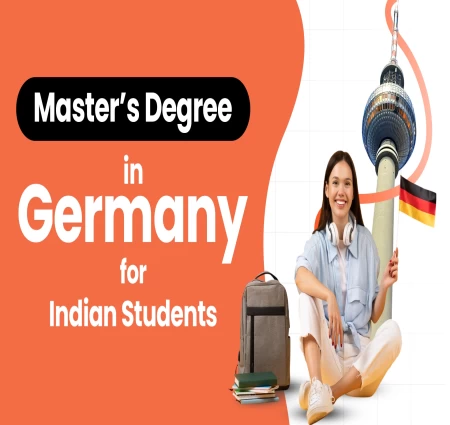
Germany is a popular destination for students who want to pursue higher education abroad. Its universities are known for strong academic standards, practical learning, research opportunities, and internationally respected degrees. For students from India and other countries, studying in Germany can also provide opportunities to gain international exposure and build a career in a competitive job market.
If you are planning to pursue Masters In Germany, understanding the complete admission process is important. From choosing a course and checking eligibility to applying for a student visa, every step needs careful planning.
Germany has a strong higher education system with universities that offer courses in areas such as engineering, computer science, business, management, data science, renewable energy, mechanical engineering, and many more.
Here are some key reasons students consider Germany for their master's degree:
High-quality education and teaching standards
Strong focus on practical knowledge and research
Many programs available in English
Internationally recognized degrees
Opportunities to gain industry experience
Excellent research facilities at many universities
A multicultural student environment
Career opportunities after graduation
Public universities with relatively low tuition fees in many cases
The exact fees, admission rules, and language requirements depend on the university and course you select.
The first step is to decide what you want to study. Your chosen course should match your previous academic background, career goals, and interests.
Some popular master's fields in Germany include:
Computer Science and Information Technology
Mechanical Engineering
Electrical Engineering
Data Science
Artificial Intelligence and related computing fields
Business Administration
International Management
Finance and Economics
Automotive Engineering
Renewable Energy
Environmental Science
Biotechnology
Before selecting a course, check the subjects covered in the curriculum. Also look at the university's location, course duration, internship opportunities, and career outcomes.
Once you have shortlisted your courses, carefully check the eligibility requirements of each university.
Generally, students applying for a master's degree in Germany need:
A recognized bachelor's degree
Academic transcripts and certificates
A suitable academic background related to the master's program
Proof of English or German language proficiency, depending on the course
A valid passport
CV or résumé
Statement of Purpose (SOP), if required
Letters of Recommendation (LOR), if required
Proof of relevant work experience, if the program asks for it
Some programs may have additional requirements, such as specific bachelor's subjects, minimum grades, entrance tests, or work experience.
Students should always check the official university website for the latest admission criteria because requirements can vary from one program to another.
Language requirements depend on the language in which your master's program is taught.
For English-taught programs, universities may ask for proof of English proficiency through tests such as IELTS or TOEFL. Some universities may accept other forms of proof depending on their rules.
For German-taught programs, you may need to demonstrate German language proficiency through an accepted language certificate.
It is important to check the exact score requirements before applying. Meeting the language requirement can be an important part of your application.
Germany has many universities offering master's programs in different fields. You should shortlist universities based on your academic profile and career plans rather than choosing only by reputation.
While comparing universities, consider:
Course curriculum
Admission requirements
Tuition and semester fees
Language of instruction
University location
Research opportunities
Internship possibilities
Industry connections
Application deadlines
Take time to understand whether your bachelor's degree and previous subjects match the selected program.
This is also where guidance from an experienced study abroad consultancy such as Ooshas Global can help students understand course selection, university applications, and the overall admission journey.
After finalizing your universities, start preparing your documents well in advance.
Commonly required documents include:
Academic certificates
Bachelor's degree certificate
Academic transcripts
Passport
CV
Statement of Purpose
Letters of Recommendation
English or German language test score
Internship or work experience certificates, if applicable
Portfolio, for selected programs
Other documents requested by the university
Make sure all documents are accurate and complete. If documents need translation or certification, complete those requirements before submitting your application.
A well-prepared application helps the university understand your academic background, skills, interests, and career goals.
Once your documents are ready, you can submit your application through the method specified by the university.
Depending on the institution and course, applications may be submitted:
Directly through the university's application portal
Through a centralized application service
Through another application platform specified by the university
Check the application deadline carefully. Some universities have different deadlines for winter and summer intakes.
Do not wait until the last date to apply. Preparing your documents early gives you enough time to correct mistakes or arrange any missing paperwork.
After submitting your application, the university will review your documents and academic qualifications.
If your application is successful, you will receive an admission letter or offer letter. Read the letter carefully and check whether you need to complete any additional steps before enrollment.
If you receive offers from multiple universities, compare the courses, costs, location, and career opportunities before making your final decision.
Before travelling to Germany, you need to plan your finances carefully.
Your budget may include:
Tuition fees, if applicable
Semester contribution
Accommodation
Food and daily expenses
Health insurance
Transportation
Study materials
Visa-related expenses
Flight tickets
The amount of money required for your student visa and proof of financial resources can change over time. Therefore, always check the latest official requirements before making financial arrangements.
You should also create a monthly budget to manage your expenses after reaching Germany.
After receiving your admission, the next major step is applying for a German student visa if you require one.
You may need documents such as:
Valid passport
University admission letter
Proof of financial resources
Health insurance
Academic documents
Visa application forms
Passport photographs
Other documents required by the German authorities
The exact process can depend on your country of residence and individual circumstances. Students should check the latest information from the official German mission responsible for their application.
Start your visa preparation early because processing times can vary.
Once your visa is approved, you can begin preparing for your move.
Before travelling, arrange your accommodation and keep important documents safely with you. It is also useful to learn about your university, city, public transportation, and local living costs.
After arriving in Germany, you may need to complete formalities such as university enrollment, local registration, opening a bank account, and completing residence-related requirements.
Your university's international student office can usually guide you through these initial steps.
A master's degree from Germany can help students develop specialized knowledge and practical skills. Depending on the field of study, graduates may explore careers in industries such as:
Information technology
Engineering
Automotive
Finance
Consulting
Manufacturing
Renewable energy
Research and development
Business management
Data and technology
Career opportunities depend on your qualification, specialization, language skills, professional experience, and the job market.
Learning German can also be helpful for students who want to work in Germany, especially when applying for positions where communication with local customers or teams is important.
Germany's strong industrial and research sectors can provide students with opportunities to connect academic learning with professional experience.
A successful application requires more than simply submitting documents. Students should focus on presenting their academic and professional journey clearly.
Here are some useful tips:
Start your research early.
Select courses that match your bachelor's background.
Check every university's requirements individually.
Prepare a clear and honest SOP.
Keep your CV updated and easy to read.
Apply before the deadline.
Maintain accurate academic documents.
Research scholarship opportunities.
Plan your finances in advance.
Prepare for the visa process early.
Students should also avoid applying to courses without checking whether their previous degree meets the subject requirements.
The process of pursuing a master's degree in Germany involves several important steps, from choosing the right course and checking eligibility to preparing documents, submitting applications, receiving admission, and completing the student visa process. Good planning can make the journey much smoother.
If you are planning Masters In Germany, start researching universities and courses early and carefully understand each program's requirements. With the right academic preparation, proper documentation, and timely application, you can take a confident step toward studying in Germany. Ooshas Global can also support students in understanding the study abroad process and preparing for their journey.
Get in touch:-
Company Name: Ooshas Global
Phone no: +91- 98 7586 3347
Address :105,first floor, Geetanjali Tower Ajmer Road, Jaipur, Rajasthan 302006
Verified Brand
At Ooshas Global, we believe that education has the power to transform lives and create opportunities without borders. As a leading overseas education consultancy in India, we are committed to helping students achieve their academic and career aspirations by guiding them toward the world's top universities and institutions.
With years of expertise in international education consulting, Ooshas Global has established itself as a trusted name for students seeking higher education opportunities abroad. Our mission is to simplify the entire study abroad journey-from selecting the right course and university to securing admission, obtaining... Read More
Have a question about this post? Send it straight to the author — only they will see it.
We are accepting Guest Posting on our website for all categories.

www.wefru.com/study-abroad-ooshas-global
Verified Author Expert@DigitalDiaryWefru