How Much Does It Cost to Study in Italy after Graduation ?
꧁ Digital Diary ༒ Wefru – India's Largest Writing Community ༒ Read, Write & Grow ༒꧂

꧁ Digital Diary ༒ Wefru – India's Largest Writing Community ༒ Read, Write & Grow ༒꧂
Scan QR code to visit our website
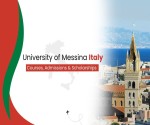
Planning to pursue a master's degree abroad after completing graduation? Italy is a popular choice for students looking for quality education, international exposure, and affordable study options. However, before applying to an Italian university, it is important to understand the total cost of education, including tuition fees, accommodation, food, transportation, and other daily expenses. For students planning to Study in Italy, the overall budget depends on the university, selected course, city, and lifestyle. Some public universities offer comparatively affordable tuition fees, while private institutions may charge higher amounts. Scholarships and financial assistance can also help eligible students manage their education expenses.
Tuition fees are one of the main expenses when planning a master's degree in Italy. The amount depends on whether you choose a public or private university.
Public Universities: Tuition fees at public universities generally range from €900 to €4,000 per year, although some programmes may charge more or less. Fees may depend on family income, nationality, academic programme, and university regulations.
Private Universities: Private institutions usually have higher tuition fees, which can range from €6,000 to €20,000 or more annually, depending on the course and institution.
Students should check the official university website for the exact fee structure before applying.
Accommodation is another important part of the student budget. Students can choose university residences, shared apartments, private rooms, or other housing options.
Typical monthly accommodation expenses may include:
Living in a smaller city may be more affordable than staying in major Italian cities. Students should compare accommodation options before finalising their university.
Food expenses depend on personal habits and whether students prefer cooking at home or eating outside.
On average, students may spend around €150–€250 per month on groceries and basic food requirements.
Cooking at home, shopping at local supermarkets, and using student dining facilities can help reduce monthly expenses.
Public transportation is commonly used by students in Italy. Buses, trains, and metro services make travelling between accommodation and university easier.
Students may spend approximately €25–€50 per month on local transportation, depending on the city and available student discounts.
Some universities and transport providers offer discounted travel passes for students, which can help reduce regular commuting expenses.
Apart from accommodation, food, and transportation, students should also consider additional expenses.
These may include:
Keeping some extra money aside for unexpected expenses is always a good idea.
Students travelling to Italy for higher education must also plan for visa-related expenses.
Some additional costs may include:
The exact amount depends on the applicable visa rules and individual requirements. Students should check the latest information from the Italian embassy or consulate before applying.
Yes, scholarships can make higher education more affordable for eligible international students. Italy offers different scholarship opportunities through universities and regional authorities.
Some financial assistance programmes may provide:
Scholarship eligibility may depend on family income, academic performance, and other conditions. Students should check application deadlines and documentation requirements carefully.
For students planning to Study Abroad in Italy for Indian Students, exploring scholarships before applying can help them prepare a better financial plan.
The overall cost depends on the university, accommodation, location, and lifestyle. Here is an approximate budget for international students pursuing a master's degree.
| Expense | Estimated cost |
| Public university tuition (yearly) | €900–€4,000 |
| Accommodation (monthly) | €250–€800 |
| Food (monthly) | €150–€250 |
| Transportation (monthly) | €25–€50 |
| Other expenses (monthly) | €80–€175 |
These are general estimates, not fixed university fees. Actual expenses can vary, and visa, travel, insurance, and initial setup costs may be additional.
Students should ideally prepare a budget for the entire academic year rather than considering tuition fees alone. Keeping additional savings for emergencies can also make the stay more comfortable.
Planning to study abroad after graduation involves several decisions, from selecting a university to arranging finances and completing admission applications. YES Italy helps students understand the different stages of pursuing higher education in Italy.
The support can include:
YES Italy can help students explore suitable options according to their academic background and budget. Students can use this guidance to make informed decisions and prepare for their international education journey.
Italy can be an attractive destination for students who want to pursue a master's degree after graduation without spending excessively on higher education. Public universities, regional scholarships, and different accommodation options can help students manage their expenses. Before making a decision, calculate your tuition fees, monthly living costs, visa expenses, and other financial requirements. If you are planning to Study in Italy, starting your research early can help you avoid last-minute difficulties.
YES Italy can guide students through university selection, admission procedures, and scholarship information, helping them take informed steps towards their goal of studying in Italy.
Get in touch:-
Company Name: YES Italy
Phone no.: +91 9353xxxxxx Request a call back
Website: https://yesitaly.in/
Quora Profile: https://www.quora.com/profile/YES-Italy-4
Email: admi****@yesitaly.in
Address: 406A, 4th Floor, Kushal Wall Street, FC Road, Shivaji Nagar, Pune, Maharashtra 411005

If you are planning to study in Italy, knowing the admission requirements before applying can save you time and help you prepare your documents properly. The University of Messina offers a range of undergraduate and postgraduate programmes, and the requirements can differ depending on the course you choose.
For Indian students, it is important to check the academic qualifications, language requirements, documents, application deadlines, and other conditions linked to the selected programme.
Eligibility can vary depending on the course and level of study. Students should check these key points:
... Read More Study Visa for Italy Requirements for Higher Education: Guide.
0 comments · 185 views
Read and comment first →
 How Can Italy Study Visa Consultants Help Students? Complete Guide.
0 comments · 165 views
Read and comment first →
 How to Study MBBS in Italy : Admission and University Guide
0 comments · 164 views
Read and comment first →
 Admission in Italy After Graduation: Complete Student Guide.
0 comments · 155 views
Read and comment first →
 How Much Does It Cost to Study in Italy as an Indian Student?
0 comments · 149 views
Read and comment first →
Have a question about this post? Send it straight to the author — only they will see it.
We are accepting Guest Posting on our website for all categories.

yesitalyconsultancy
@DigitalDiaryWefru