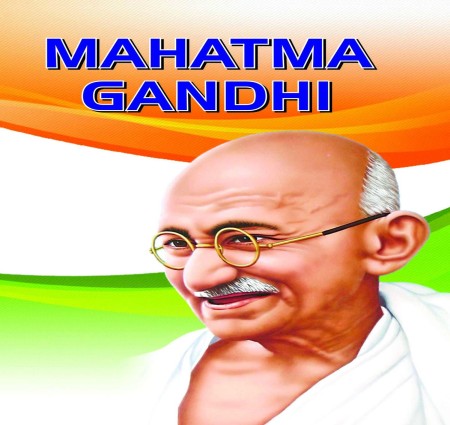
MAHATMA GANDHI
꧁ Digital Diary ༒ Wefru – India's Largest Writing Community ༒ Read, Write & Grow ༒꧂

꧁ Digital Diary ༒ Wefru – India's Largest Writing Community ༒ Read, Write & Grow ༒꧂
Scan QR code to visit our website

Mahatma Gandhi: The Father of the Nation and His Timeless Legacy
In India, we lovingly call Mahatma Gandhi 'Bapu' or 'Rashtrapita' (Father of the Nation). His full name was Mohandas Karamchand Gandhi. He was born on 2nd October 1869, at Porbandar in Kathiawar, Gujarat. His father's name was Karamchand Gandhi, and his mother's name was Putlibai. At a young age, he was married to Kasturba Gandhi, who stood by him throughout his life's struggles.
Mahatma Gandhi was not just a political leader; he was a symbol of peace, truth, and non-violence across the entire world. His life teaches us how one person with strong willpower can bring massive change without using any weapons.
Early Life and Childhood Values
Gandhiji lived the life of a common man and always kept himself away from luxuries. From his very childhood, he was extremely honest and truthful.
Two famous stories from his childhood shaped hischaracter forever:
After completing his schooling in India, he went to London to study law and became a barrister.The Turning Point in South AfricaAfter returning from London, Gandhiji went to South Africa for legal work. There, he faced severe racial discrimination. Once, despite having a first-class train ticket, he was thrown out of the train compartment simply because of his skin color.This incident changed his life. Instead of staying silent, he decided to fight against injustice. During his stay in South Africa, he developed his unique method of peaceful protest called Satyagraha (insistence on truth). He united the Indian community there and successfully fought for their basic human rights using non-violence.Role in India’s Freedom Struggle
Role in India’s Freedom StruggleIn 1915, Mahatma Gandhi returned to India and joined the Indian National Congress. He traveled across the country to understand the real problems of poor farmers and workers. He realized that true freedom could only be achieved when every Indian stood united.Under his leadership, several historic movements shook the British Empire:
Through all these movements, Gandhiji strictly followed Ahimsa (non-violence). Even when faced with police lathis and jail time, he never allowed his followers to use violence.Core Principles and TeachingsMahatma Gandhi’s philosophy is still relevant today. His main teachings include:
ConclusionMahatma Gandhi’s efforts finally bore fruit when India gained independence on 15th August 1947. Sadly, on 30th January 1948, he was assassinated, leaving the whole world in mourning. Even today, his birthday, 2nd October, is celebrated globally as the International Day of Non-Violence. His life remains a guiding light for future generations.
Good afternoon everyone first of all thank you for giving me this opportunity my self I am Anushka Bihaniye .I am 14 year old .I am from Hasimpur .I have completed 8th class . There are member in my family and they are my father , mother , brother , sister , grandmother , grandfather and my parents are the pillar are the my strongth apart from that my confidence and good communication skills are my strength . My favourite hobby is learning sometime new everyday . My favourite subject is math . I like horror movie in my fun... Read More
 ✨ Aloe Vera Gel Ka Sahi Istemaal Kaise Karein?
1 comment · 198 views
Join the conversation →
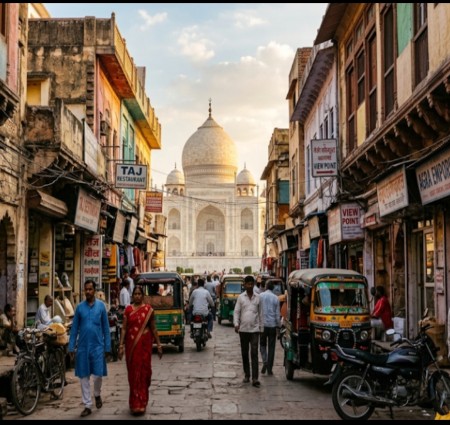 डिजिटल डिटॉक्स और स्लो लिविंग: भागदौड़ भरी जिंदगी में सुकून के कुछ पल
1 comment · 189 views
Join the conversation →
 बहुत ज़्यादा सोचने (Overthinking) की आदत से हैं परेशान? जानें इसके असली कारण, नुकसान और बा...
1 comment · 152 views
Join the conversation →
💬 रात में दिमाग बंद नहीं होता? ओवरथिंकिंग (Overthinking) रोकने के 7 साइकोलॉजिकल तरीके (2 मिन...
0 comments · 142 views
Read and comment first →
💬 Netaji Subhash Chandra Bose: Life, Contribution & Freedom Struggle
0 comments · 135 views
Read and comment first →
Have a question about this post? Send it straight to the author — only they will see it.
1 comment from 1 person
We are accepting Guest Posting on our website for all categories.

Anushka digital content writer
@DigitalDiaryWefru