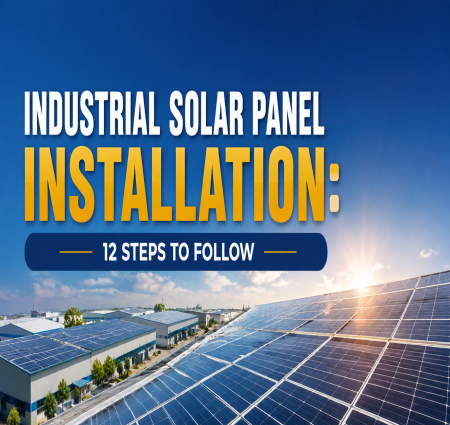
Many factories and large businesses face a common problem: high electricity bills. These rising costs make it harder to run a profitable business and stay ahead of competitors. Switching to solar energy is one of the most effective ways to take control of your power needs. Industrial solar is not just about helping the environment; it is a smart financial move that pays for itself quickly. This guide explains how Industrial Solar Panel Installation works and why it is a great choice for your business. By moving to solar, you can stop worrying about rising power rates and start focusing on growing your company. Whether you run a small workshop or a large manufacturing plant, solar power provides a steady and reliable source of energy for years to come. Why Should Industries Install Solar Panels? Reduce Electricity Costs The biggest reason to switch is the money you save. Factories use a lot of power for heavy machines, lighting, and cooling. Industrial solar panel installation helps you generate your own power, which drastically cuts your monthly utility bills. Most businesses see their electricity costs drop significantly right after the system starts working. Lower Dependence on Grid Electricity When you rely only on the main power grid, your business is at risk of power cuts or price hikes. With your own solar system, you have more control. Industrial solar can run a factory 24/7 when paired with the right storage or grid-tie systems, ensuring your production line doesn't stop because of simple grid failures. Make Better Use of Available Rooftop or Land Space Most industrial buildings have large, flat roofs that just sit empty. By installing solar panels on these roofs, you turn wasted space into a power plant. If you have extra land near your factory, ground-mounted solar panels can also be a great way to put that land to work. Reduce Carbon Emissions Governments and customers now prefer businesses that are green. Using solar energy helps you lower your carbon footprint. This makes your brand look better and helps you meet environmental rules. It shows that your company cares about the future of the planet. Improve Long-Term Energy Savings A solar system is a long-term asset. Once the initial cost is covered, the electricity it makes is free. Since these systems last for decades, your business will enjoy very low energy costs for a long time. It is one of the best ways to ensure your company stays profitable in the future. Increase Energy Cost Predictability Electricity prices from the grid change all the time and usually go up. When you use solar, you know exactly what your power will cost for the next 25 years. This stability makes it much easier to plan your company's budget without any surprises from the power company. Main Components Required for Industrial Solar Installation To set up a working system, industrial solar installers use several key parts. Each part has a specific job to do: Solar Panels: These catch sunlight and turn it into raw electricity. Solar Inverter: This changes the raw power into the type of electricity your machines can use. Mounting Structure: Strong metal frames that hold the panels safely on your roof or the ground. DC and AC Cables: These wires carry the electricity from the panels to your building. DCDB and ACDB: These boxes hold fuses and switches to keep the electrical system safe. Earthing and Lightning Protection: This protects your equipment from electrical surges and lightning strikes. Monitoring System: A digital tool that lets you see how much power your system is making on your phone or computer. Net Metering and Grid-Connection Equipment: This tracks how much power you give back to the grid and how much you take. Industrial Solar Panel Installation Process Step 1: Site Survey and Energy Assessment Experts visit your site to look at your roof and the surrounding area. They check for shadows from trees or other buildings that might block the sun. Step 2: Analyse Electricity Consumption The team looks at your past electricity bills. This helps them understand how much power you use during the day and at night. Step 3: Determine the Required Solar Capacity Based on your bills, the engineers figure out how big your solar system needs to be. This ensures you don't buy a system that is too small or too large. Step 4: Check Rooftop or Ground-Mount Feasibility Engineers make sure your roof is strong enough to hold the weight of the panels. They also check if there is enough space for the number of panels you need. Step 5: Design the Solar System A detailed plan is created. This plan shows exactly where every panel, wire, and inverter will go for the best performance. Step 6: Select Solar Equipment and Materials Quality is important here. You must choose the best panels and inverters. While you might look for the best solar panel for home use for your house, industrial systems need heavy-duty parts made for high-power loads. Step 7: Obtain Required Approvals Before building, you need permission from the local government and the power company. Your installer usually handles this paperwork for you. Step 8: Install Mounting Structures and Solar Panels Workers fix the metal frames to the roof or ground. Then, they carefully attach the solar panels to these frames. Step 9: Install Inverter and Electrical Equipment The inverters and safety boxes are mounted on walls or special stands. These are the "brains" of your Industrial Solar Panel Installation. Step 10: Complete Wiring, Earthing and Safety Work All the parts are connected with heavy-duty wires. The team also sets up safety systems to prevent fires or electrical shocks. Step 11: Testing and Commissioning Before turning it on for good, the team tests everything. They make sure the panels are making power and the inverters are working correctly. Step 12: Grid Connection and Net Metering Finally, the system is connected to the main power grid. A special meter is installed so the power company can give you credit for the extra energy you produce. Why Choose Shree Hari Solar for Industrial Solar Installation? Selecting the right partner is vital for a successful project. Shree Hari Solar helps businesses reduce their electricity bills by 60% to 80%. This huge saving means most businesses get their money back within just 3 to 5 years. Since these solar installations typically last 25 to 30 years, you get over two decades of nearly free power. We also offer flexible financing options to help with the initial cost. Plus, our team provides strong after-sales service and technical support to keep your system running perfectly. Conclusion Industrial solar panel installation is one of the smartest investments a business can make today. It cuts costs, protects you from rising energy prices, and helps the environment. With a quick payback period and a long lifespan, the benefits are clear. If you are ready to lower your overhead costs and secure your energy future, now is the time to switch to solar. Contact a professional today to start your journey toward energy independence. FAQs How long does industrial solar panel installation take? The time it takes depends on the size of the system. Usually, the physical installation takes 2 to 4 weeks, but getting all the permits and grid approvals can take a few months. Will solar panels work during a power outage? Standard grid-tied solar systems shut down during a power cut for safety. However, if you add a battery backup or a special hybrid system, you can keep your factory running even when the grid is down. How much maintenance do industrial solar panels need? Solar panels need very little maintenance. You mostly just need to clean the dust off them every few weeks and have a professional check the electrical connections once or twice a year. What is the lifespan of an industrial solar system? Most high-quality industrial solar panels are designed to last between 25 and 30 years. Most inverters last about 10 to 15 years before they need a simple part replacement or upgrade. How much space do I need for a 100kW solar system? A 100kW solar system usually requires about 10,000 square feet of clear rooftop or ground space. This can vary slightly depending on the efficiency of the panels used.
Read Full Blog