Company Logo

Study abroad consultants

WEFRU8484251906202
Scan to visit website

Scan QR code to visit our website

Blog by Study abroad consultants | Digital Diary

" To Present local Business identity in front of global market"

Meri Kalam Se
Digital Diary Submit Post Study abroad consultants

Are Abroad Study Consultants in Chennai Reliable?

Are Abroad Study Consultants in Chennai Reliable?
Studying abroad is an important decision, and many students need guidance while choosing a course, university, country, and career path. Study abroad consultants in Chennai can help students understand the admission process and prepare for different stages of studying overseas. However, not every consultant provides the same level of service, so students should carefully check a consultancy before... Read More
Studying abroad is an important decision, and many students need guidance while choosing a course, university, country, and career path. Study abroad consultants in Chennai can help students understand the admission process and prepare for different stages of studying overseas. However, not every consultant provides the same level of service, so students should carefully check a consultancy before making a decision. A reliable consultant should provide clear information, explain the complete process, and help students make decisions based on their academic background and career goals. Students should also do their own research instead of depending completely on a consultant. How Can Study Abroad Consultants in Chennai Help Students? Study abroad consultants can support students from the early planning stage until they receive admission and prepare for their journey. The services can differ between consultancies, but many provide support with university selection, applications, scholarships, and student visas. Common services include: Course and career guidance. University selection. Eligibility assessment. Application support. Document preparation. Scholarship guidance. Language test guidance. Student visa assistance. Pre-departure guidance. Students should ask the consultant about the exact services included before starting the process. Are All Study Abroad Consultants in Chennai Reliable? No, students should not assume that every consultancy is reliable. Some consultants may have years of experience and a good record, while others may offer limited services or have different fee structures. A consultancy should be judged based on its transparency, experience, communication, and the quality of guidance it provides. Students should avoid choosing a consultant only because of advertisements, promises, or high ratings. Before making a decision, students should compare a few consultants and understand how each one handles applications. How Can I Check the Reliability of a Study Abroad Consultant? There are several ways students can check a consultant before using their services. Taking some time to verify the consultancy can help avoid problems later. Students can check: How long the consultancy has been providing study abroad services. Which countries and universities they work with. Reviews from recent students. The services included in their fees. Whether the fee structure is clearly explained. How they communicate application updates. Whether they provide proper documentation and receipts. What happens if an application is rejected. Students should also ask questions during the first counselling session. A professional consultant should be willing to explain the process instead of pressuring the student to make an immediate payment. What Should I Ask a Study Abroad Consultant Before Choosing One? Asking the right questions can help students understand whether a consultancy is suitable for them. Students should not hesitate to ask about fees, universities, admission requirements, and visa support. Useful questions include: Which universities are suitable for my academic profile? What courses can I apply for? What are the admission requirements? What documents will I need? What services are included in your consultancy fee? Are there any additional charges? Do you provide scholarship guidance? Do you provide student visa assistance? How will I receive updates about my application? Can I speak with students who have previously used your services? Clear answers to these questions can help students compare different consultancies before making a final choice. Can Study Abroad Consultants Help With University Selection? Yes, university selection is one of the most common services provided by study abroad consultants. Students often have difficulty comparing universities because each institution may have different courses, fees, admission requirements, and deadlines. A consultant can help students create a shortlist based on their academic qualifications, budget, preferred course, and future plans. Good university selection guidance should consider: Academic eligibility. Course content. Tuition fees. Living expenses. Location. University reputation. Scholarship opportunities. Career opportunities after graduation. Students should also research the shortlisted universities themselves before submitting applications. Do Consultants Help With Scholarships? Many students look for scholarships because studying abroad can involve significant expenses. Consultants may help students identify scholarship opportunities and explain the application requirements. Scholarship guidance can include: Finding suitable scholarship opportunities. Checking eligibility conditions. Preparing required documents. Understanding application deadlines. Explaining scholarship benefits. Providing general guidance on financial planning. Students should remember that consultants cannot guarantee a scholarship. Scholarship decisions are generally made by the university or scholarship organisation based on its own eligibility and selection criteria.   BOOK YOUR FREE COUNSELLING NOW Do Chennai Consultants Provide Student Visa Assistance? Student visa assistance is another important service offered by many study abroad consultants. After receiving admission, students may need to prepare several documents for their visa application. Consultants may help students understand: Visa application requirements. Required financial documents. Academic documents. Accommodation information. Visa application forms. Interview preparation, where applicable. Common mistakes to avoid. Students should be careful if a consultant promises a guaranteed visa. No genuine consultant can guarantee the final decision of an embassy or immigration authority. How Much Do Study Abroad Consultants in Chennai Charge? Consultancy fees can vary depending on the company and the services provided. Some consultants may offer certain admission services without a separate consultancy fee, while others may charge for specific services or packages. Before paying anything, students should ask for a clear breakdown of the charges. Check: Registration fees. Application service charges. Visa assistance fees. Document-related charges. Additional service costs. Refund conditions. Students should keep receipts and written records of any payments made to the consultancy. What Are the Warning Signs of an Unreliable Consultant? Students should be careful when a consultancy makes unrealistic promises or avoids giving clear information. Some warning signs can indicate that further checking is needed. Be cautious if a consultant: Promises guaranteed admission. Promises guaranteed visa approval. Pressures you to pay immediately. Refuses to explain the fee structure. Does not provide payment receipts. Gives unclear information about universities. Asks for false documents or incorrect information. Discourages you from checking university information yourself. Keeps your original documents without a clear reason. Students should never provide false information in an application simply because someone says it will improve their chances of admission or visa approval. Is It Better to Apply Through a Consultant or Directly? Students can apply directly to universities if they understand the admission process and are comfortable preparing their applications. A consultant can be useful when students need additional guidance or are unfamiliar with the process. The choice depends on the student's situation. Consultants may be helpful when: You are applying abroad for the first time. You are unsure about course selection. You need help understanding university requirements. You need guidance with documents. You want support with scholarship or visa preparation. Students who are confident with the application process may also choose to apply directly. In either case, they should carefully check the university's admission requirements. How Can Students Choose the Right Consultant in Chennai? There is no single consultant that is best for every student. The right choice depends on the student's destination, course, budget, and required services. Before choosing a consultancy, students should compare their options based on: Experience in the destination country. Knowledge of the chosen course. University options. Quality of counselling. Application support. Visa guidance. Transparency of fees. Student reviews and experiences. Communication and follow-up. A good consultant should help students understand their options rather than making the decision for them. Conclusion Study abroad consultants in Chennai can be reliable and useful for students who need guidance with university selection, admissions, scholarships, documentation, and student visas. However, students should not choose a consultancy without checking its services, experience, fees, and reputation. The best approach is to compare different consultants, ask clear questions, verify important information, and understand the complete process before paying any fees. With proper research and the right guidance, students can make better decisions about their plans to study abroad.  
Read Full Blog
[email protected] 05 Oct 2026 21 Views

What Services Do Study Abroad Consultants in Kolhapur Provide?

What Services Do Study Abroad Consultants in Kolhapur Provide?
Planning to study abroad can feel confusing, especially when you are applying for the first time. Students need to choose a country, find the right course, check university requirements, prepare documents, and understand the student visa process. Study abroad consultants in Kolhapur help students understand these steps and plan their applications. The services offered may differ from one consultan... Read More
Planning to study abroad can feel confusing, especially when you are applying for the first time. Students need to choose a country, find the right course, check university requirements, prepare documents, and understand the student visa process. Study abroad consultants in Kolhapur help students understand these steps and plan their applications. The services offered may differ from one consultancy to another. Some provide support from course selection to visa preparation, while others focus on specific countries or admission services. Before choosing a consultant, students should understand what help is available and what they need for their own study plans. How Do Study Abroad Consultants Help Students Choose a Course? Choosing the right course is an important part of studying abroad. Students may have several interests but may not know which programme matches their previous education or future plans. Consultants can review a student's academic background, interests, budget, and career goals to help them explore suitable courses. They may help students with: Understanding different courses and study fields. Finding programmes related to previous education. Comparing course duration and entry requirements. Checking whether a course matches future career plans. Understanding the difference between undergraduate and postgraduate programmes. Students should also research the course content themselves and ask questions before making a final decision. Do Consultants Help With University Selection? Yes, university selection is one of the common services provided by study abroad consultants. Students may find it difficult to compare universities because admission requirements, tuition fees, course structure, and application deadlines can vary. Consultants can help students shortlist universities based on their academic profile and preferences. They may also explain the application process and the documents needed for each institution. This support may include: Shortlisting universities according to the student's profile. Comparing courses, fees, and study duration. Checking academic and language requirements. Understanding application deadlines. Explaining available facilities and campus details. Identifying universities that fit the student's budget. Students should not select a university only because it is recommended by a consultant. It is important to check official university information and understand the course before applying. What Admission Assistance Do Consultants Provide? University applications involve several steps, and missing information can delay the process. Study abroad consultants in Kolhapur may guide students while completing application forms and preparing the required documents. Their admission support can include: Explaining the application process. Helping students complete university application forms. Reviewing academic certificates and transcripts. Checking whether documents are complete. Guiding students on application fees and deadlines. Helping students understand offer letters and admission conditions. Students should carefully review every form before submission and make sure all information is correct. Do Study Abroad Consultants Help With SOP and LOR Preparation? Many universities ask students to submit a Statement of Purpose (SOP), and some also require Letters of Recommendation (LORs). These documents help universities understand a student's academic background, interests, and reasons for choosing a particular course. Consultants may guide students on preparing these documents. They can explain what information to include and how to organise it clearly. This service may cover: Explaining the purpose of an SOP. Helping students organise their academic and personal details. Reviewing the SOP for clarity and relevance. Guiding students on requesting LORs from teachers or professors. Checking whether the documents follow university instructions. The information in these documents should always be genuine and based on the student's own experience. Students should read and approve the final versions before submitting them. Can Consultants Help Students Find Scholarships? Studying abroad can involve tuition fees, accommodation, food, travel, and other expenses. Scholarships may help reduce some of these costs, but eligibility and funding depend on the university and scholarship provider. Study abroad consultants may help students explore available scholarship opportunities and understand their application requirements. Scholarship guidance may include: Identifying scholarships related to the chosen course or destination. Checking academic and financial eligibility. Explaining scholarship application deadlines. Helping students prepare supporting documents. Understanding scholarship conditions and coverage. Students should remember that scholarship approval is not guaranteed. They should check the official scholarship rules and plan their finances accordingly. What Student Visa Assistance Is Available? After receiving an admission offer, students usually need to understand the student visa process for their chosen country. Visa requirements can differ based on the destination, so students should prepare according to the official instructions. Consultants may guide students through: Understanding the student visa process. Preparing a list of required documents. Reviewing financial and academic documents. Filling out visa application forms. Understanding appointment and submission procedures. Preparing for a visa interview, where applicable. A consultant can provide guidance, but the final visa decision is made by the relevant embassy or immigration authority. Students should avoid anyone who promises guaranteed visa approval. BOOK YOUR FREE COUNSELLING NOW Do Consultants Provide IELTS and Other Exam Guidance? Some study abroad consultants also provide language test guidance or help students find suitable preparation resources. Depending on the destination and university, students may need to take IELTS, TOEFL, PTE, or another accepted language test. For certain courses, other entrance exams may also be required. Consultants can help students understand which tests are needed and when to take them. They may provide: Information about accepted language tests. Guidance on test registration. Details about the required scores. Suggestions for preparation resources or classes. Help understanding university-specific test requirements. Students should confirm the accepted tests and minimum scores directly with their chosen universities. Do Study Abroad Consultants Help With Education Loans and Budget Planning? Budget planning is an important part of preparing to study abroad. Students need to consider more than tuition fees, as living costs, health insurance, travel, and other expenses can affect the total budget. Some consultants provide general financial guidance and information about education loans. This may include: Estimating tuition and living expenses. Explaining possible education loan options. Sharing information about loan eligibility and documents. Helping students understand payment deadlines. Discussing scholarships and other funding sources. Loan approval depends on the lender's rules and the student's financial situation. Students and families should compare loan terms carefully before making a decision. What Pre-Departure Support Do Consultants Offer? Getting an admission offer and visa is not the end of the process. Students also need to prepare for travel, accommodation, and daily life in a new country. Some consultants provide pre-departure guidance to help students understand what to arrange before leaving India. This support may include: Preparing a travel checklist. Explaining accommodation options. Sharing information about local transport and basic facilities. Guiding students on important documents to carry. Providing general information about the destination's culture and student life. Explaining what to expect during the first few days after arrival. The exact support depends on the services offered by the consultancy, so students should confirm what is included. How Can Students Choose a Study Abroad Consultant in Kolhapur? Before working with a consultant, students should understand their services, experience, and process. A clear discussion at the beginning can help avoid confusion later. Students can ask these questions: Which countries and universities do you provide guidance for? Do you help with both admission and visa documentation? What services are included in your fees? Are there any additional charges? Will I receive a written list of services? Can I check the university details and application status myself? Do you provide support after admission? Students should compare more than one consultancy and avoid making decisions based only on promises or advertisements. Why Do Students in Kolhapur Seek Study Abroad Guidance? Students in Kolhapur may seek guidance because applying to a foreign university involves many details, from choosing a course to preparing a visa application. A consultant can help explain the process, organise documents, and keep students aware of important steps. However, students should remain involved throughout the process. They should understand their chosen course, check official university information, keep copies of submitted documents, and make their own final decisions. Conclusion Study abroad consultants in Kolhapur may provide services such as career counselling, course and university selection, admission assistance, SOP and LOR guidance, scholarship information, visa support, budget planning, and pre-departure preparation. The services available can vary between consultancies, so students should confirm the details before starting. With proper planning and clear information, students can better understand the study abroad process and prepare for their next step. The right guidance should help students make informed decisions while keeping them involved in every stage of their application.
Read Full Blog
[email protected] 03 Oct 2026 40 Views

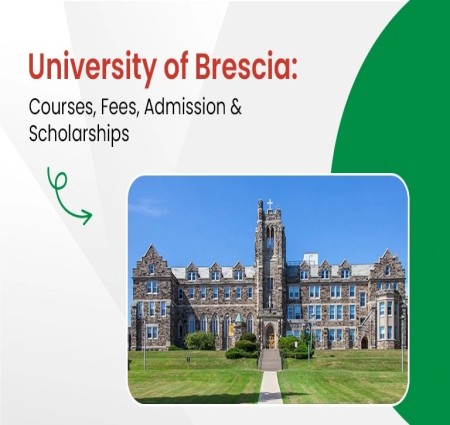
What Are the Admission Requirements for the University of Brescia?

What Are the Admission Requirements for the University of Brescia?
The University of Brescia is a public university in Italy that offers undergraduate and postgraduate courses in different fields. Students who want to study in Italy can consider this university for programmes in engineering, economics, medicine, law, and other subjects. Before applying, it is important to understand the admission requirements, as they can differ based on the course and level of s... Read More
The University of Brescia is a public university in Italy that offers undergraduate and postgraduate courses in different fields. Students who want to study in Italy can consider this university for programmes in engineering, economics, medicine, law, and other subjects. Before applying, it is important to understand the admission requirements, as they can differ based on the course and level of study. International students should check their previous education, language skills, required documents, and application deadlines before starting the process. Meeting the general requirements does not always guarantee admission, as some programmes may also have entrance tests or additional selection steps. What Are the General Admission Requirements for the University of Brescia? The admission requirements depend on whether you are applying for a bachelor's or master's degree. The university checks your previous education to confirm that you meet the academic requirements for your chosen programme. Students generally need to meet these conditions: Have a recognised educational qualification for the chosen level of study. Meet the academic requirements of the selected course. Provide the required educational documents. Meet the language requirements of the programme. Complete any entrance test or selection process, if required. Follow the university's application procedure and deadlines. It is important to check the specific requirements for your course because different programmes may have different admission rules. What Are the Requirements for Bachelor's Degree Admission? Students applying for a bachelor's degree at the University of Brescia generally need to have completed secondary education. The qualification should allow them to apply for undergraduate studies in their home country and meet the university's entry requirements. International students should check whether their school education meets the required number of years. Some courses may also require an entrance test or additional subject knowledge. Common requirements include: A recognised secondary school certificate. Completion of the required years of schooling. Academic records from previous studies. Proof of language skills, depending on the course. Entrance test results, if required. Other documents requested by the selected programme. Students should review the course requirements before applying, especially if they are interested in a programme with limited seats or an admission test. What Are the Requirements for Master's Degree Admission? Students applying for a master's degree usually need to hold a bachelor's degree or an equivalent qualification from a recognised institution. Their previous studies should be relevant to the master's programme they want to pursue. The university may review the subjects studied, academic performance, and overall suitability of the applicant's previous qualification. Some programmes may ask for additional documents or specific academic background. Common requirements include: A recognised bachelor's degree or equivalent qualification. Academic transcripts and degree certificates. Relevant subjects or academic background. Proof of language proficiency, if required. A CV or other supporting documents, where requested. Any additional requirements listed for the selected programme. Students should make sure that their previous degree matches the academic requirements of the master's course before submitting an application. Which Documents Are Required for Admission? International students need to prepare their academic and personal documents before applying. The exact document list may vary depending on the programme and the applicant's country of education. Commonly required documents include: Valid passport. Secondary school certificate for bachelor's applications. Bachelor's degree certificate for master's applications. Academic transcripts or mark sheets. Language proficiency certificate, if required. CV, if requested by the programme. Motivation letter, if required. Other documents mentioned in the course admission instructions. Documents issued in languages other than those accepted by the university may need an official translation. Students should also check whether their educational documents require legalisation or other verification. Is IELTS Required for the University of Brescia? IELTS is not necessarily required for every programme at the University of Brescia. The language requirement depends on whether the course is taught in English or Italian and on the admission rules of the selected programme. For English-taught courses, students may need to show that they have the required level of English. The university may accept different forms of proof, depending on the programme. For Italian-taught courses, students may need to demonstrate Italian language proficiency. Some programmes may require a specific level of Italian before admission. Before applying, students should check: The language of instruction. The required language level. Accepted language certificates. Whether any exemption is available. The deadline for submitting language proof. Do not assume that one language certificate is accepted for every course. Always check the requirements for your chosen programme. Does the University of Brescia Require an Entrance Exam? Some programmes may require students to take an entrance test or complete a selection process. This depends on the course and the number of available places. Entrance tests may assess a student's knowledge of relevant subjects, general academic ability, or preparation for the selected field. Certain programmes may also have specific admission procedures. Students should check the following details before applying: Whether an entrance test is required. The subjects covered in the test. The test date and registration deadline. The selection process and available seats. Any minimum score or additional condition. If an entrance test is required, students should prepare in advance and follow the instructions provided by the university. How Can International Students Apply to the University of Brescia? International students should follow the admission process for their chosen programme. The steps may differ depending on the applicant's nationality, place of residence, and level of study. The general application process includes: Select a suitable bachelor's or master's programme. Read the course-specific admission requirements. Check the application period and deadlines. Prepare the required academic and personal documents. Submit the application through the university's specified procedure. Complete any entrance test or selection step, if required. Wait for the admission decision. Follow the next steps for enrolment. Students from outside the European Union who need a study visa may also have to complete the required pre-enrolment process. Admission to the university and visa approval are separate steps, so students should plan for both. Are Admission Requirements Different for Non-EU Students? Yes, non-EU students applying from outside Italy may need to complete additional steps. Along with meeting the academic requirements, they may need to follow the procedures for international applicants who require a study visa. These steps can include: Completing the university's admission process. Providing the required educational documents. Completing pre-enrolment through the relevant Italian system. Applying for a student visa after completing the required steps. Preparing financial, accommodation, and other documents required for the visa process. Students should not wait until the last moment to begin their application. University deadlines and visa procedures may have different timelines.   BOOK YOUR FREE COUNSELLING NOW Do International Students Need CIMEA or a Declaration of Value? Depending on the applicant's educational background and the university's instructions, international students may be asked to provide documents that help verify their foreign qualifications. These may include a CIMEA Statement of Comparability or Verification, or a Declaration of Value. However, the requirement can vary according to the qualification, country, and admission procedure. Students should first check which documents are required for their application. They should avoid arranging additional documents without confirming the university's instructions, as this may lead to unnecessary delays or expenses. Can International Students Apply for Scholarships at the University of Brescia? International students may be eligible for scholarship opportunities, depending on the available funding, academic programme, and eligibility conditions. Some scholarships are based on financial need, while others may consider academic performance or other criteria. Students should check: Scholarship eligibility conditions. Application dates. Required financial or academic documents. Whether a separate scholarship application is needed. Whether the scholarship covers tuition fees, living expenses, or both. Scholarship applications may have separate deadlines from course admission. Students should check both timelines while planning their studies. When Should Students Apply to the University of Brescia? Application dates can change each academic year and may differ between programmes. International students should check the latest admission calendar for their chosen course before preparing their application. It is useful to start preparing several months before the intended intake. This gives students enough time to collect academic documents, arrange translations, meet language requirements, and complete any required tests. Students who need a visa should allow additional time for the pre-enrolment and visa process. Applying early can help them manage the different steps without rushing. What Should Students Check Before Applying? Before submitting an application, students should make sure that they understand the requirements of their chosen programme. A small mistake in documents or deadlines can delay the admission process. Use this checklist before applying: Confirm that your previous qualification meets the entry requirements. Check whether your chosen course is taught in English or Italian. Review the language requirements. Check if an entrance test is required. Prepare your academic certificates and transcripts. Confirm whether translations or qualification verification documents are needed. Check the application deadline. Review scholarship conditions and deadlines. Understand the additional steps required for a student visa, if applicable. Conclusion The admission requirements for the University of Brescia depend on the course and level of study. Students applying for bachelor's degrees need a recognised secondary school qualification, while master's applicants generally need a relevant bachelor's degree or equivalent. Language skills, entrance tests, and additional documents may also be required for certain programmes. International students should carefully check the admission rules before applying and prepare their documents in advance. Understanding the requirements early can help students plan their application, scholarship search, and student visa process more smoothly.   Get in touch :- Company name :- YES Italy Contact No :- 9353008300 Website: https://yesitaly.in/ Email :- [email protected] Address -  Ambrosia Galaxy 6th Floor- innov 8 33/1, Pan Card Club Road, Baner High St, Hill, Road, Pune, Maharashtra 411045 

Read Full Blog
[email protected] 01 Oct 2026 55 Views

What Are the Benefits of Study Abroad Consultants in Ahmedabad?

What Are the Benefits of Study Abroad Consultants in Ahmedabad?
Studying abroad can give students the opportunity to experience a different education system, learn in an international environment, and build skills for their future careers. However, the process can involve many steps, from choosing a country and university to completing admission applications, arranging finances, and applying for a student visa. This can sometimes feel difficult for students an... Read More
Studying abroad can give students the opportunity to experience a different education system, learn in an international environment, and build skills for their future careers. However, the process can involve many steps, from choosing a country and university to completing admission applications, arranging finances, and applying for a student visa. This can sometimes feel difficult for students and their families. study abroad consultants in Ahmedabad can help students understand these steps and plan their applications more carefully. Their support can be useful for students who are studying abroad for the first time and need guidance about universities, courses, scholarships, admission requirements, and visa procedures. What Do Study Abroad Consultants in Ahmedabad Help With? Study abroad consultants generally support students through different stages of the overseas education process. The exact services can differ between consultancies, so students should understand what is included before starting their application. Consultants may help with: Country and university selection Course selection Admission applications Document preparation Scholarship guidance Education loan information Student visa guidance Pre-departure assistance Accommodation and travel guidance Having these services in one place can make it easier for students to organise their study abroad plans. How Do Consultants Help With University Selection? Choosing a university is one of the most important decisions students make when planning to study abroad. There can be many universities offering similar courses, but their tuition fees, course structure, location, admission requirements, facilities, and career opportunities can be different. A consultant can help students compare universities based on their academic background, preferred course, budget, and career plans. This can help students create a more focused university shortlist instead of applying without understanding whether a particular programme suits their profile. Can Consultants Help Students Choose the Right Course? The course a student chooses can have a major impact on their academic journey and future career. Students need to consider their previous qualifications, interests, skills, and long-term goals before selecting a programme. Study abroad consultants can explain different courses, entry requirements, duration, tuition fees, and possible career paths. Students can then research the course curriculum and make sure the programme matches their own interests and career plans. How Can Consultants Help With Admission Applications? University applications often require several documents and specific information. Students may need to provide academic transcripts, certificates, language test results, a CV, statement of purpose, recommendation letters, passport details, and other documents depending on the university and course. Consultants can help students understand these requirements and organise their applications. They may also assist with application forms, document submission, and tracking admission updates, helping students avoid common mistakes or missed requirements. BOOK YOUR FREE COUNSELLING NOW Can Study Abroad Consultants Help With Scholarships? The cost of studying overseas can be a major concern for students. Scholarships can help reduce tuition fees or provide financial support for eligible students, depending on the scholarship programme. Consultants can help students identify scholarship opportunities and understand their eligibility requirements. Students should still check the official scholarship information because eligibility, benefits, documents, and deadlines can vary between universities and scholarship providers. How Do Consultants Help With Student Visas? Getting university admission is only one part of the study abroad process. Students also need to complete the visa process for their chosen destination and provide the required documents. Consultants can guide students through visa documentation, application procedures, financial requirements, and interview preparation where applicable. This can help students understand what they need to prepare before submitting their visa application. Students should always verify important visa information with the relevant immigration authority because requirements can change. Can Consultants Help With Financial Planning? Studying abroad involves several expenses beyond tuition fees. Students may need to plan for accommodation, food, transportation, health insurance, study materials, flights, and personal expenses. Consultants can help students understand the expected costs of studying in different countries and universities. They may also provide information about scholarships, education loans, tuition fee reductions, and other financial support. Why Is Country Selection Important? Different countries have different education systems, tuition fees, living costs, admission requirements, work rules, and visa procedures. Choosing a destination based only on popularity may not always be suitable for every student. A consultant can explain the differences between destinations according to the student's course, budget, academic background, and career plans. This can help students understand which countries may match their requirements before they start applying. How Can Consultants Help With Career Planning? Students should consider their future career when selecting a country, course, and university. Factors such as course content, practical learning, internships, industry connections, and employment opportunities can influence a student's overall experience. Consultants can help students understand the career-related aspects of different courses and universities. However, students should also research the job market, employment requirements, and career opportunities in their chosen field before making a final decision. What Are the Benefits for Students in Ahmedabad? Students in Ahmedabad can benefit from having access to local counselling and support while planning their overseas education. Meeting a consultant in person can make it easier to discuss academic documents, financial planning, university choices, and other questions with their families. Local consultants can also provide support during different stages of the application process. However, students should focus on the quality and relevance of the services rather than choosing a consultancy only because it is located nearby. Can Consultants Help Students Prepare Documents? Correct documentation is an important part of university and visa applications. Missing information or submitting incorrect documents can create delays during the application process. Consultants can provide students with a document checklist and explain what is required for their chosen university and destination. Students should still carefully review their documents and make sure all information is accurate before submission. What Should Students Check Before Choosing a Consultant? Not every consultancy provides the same level of service or specialises in the same destinations. Students should compare different consultants before deciding who they want to work with. Students can check: Experience with their preferred country Universities and courses supported Admission assistance Scholarship guidance Visa support Document assistance Consultancy fees Student reviews and feedback Communication and application updates Pre-departure support Students should also ask about any additional charges before signing up for a service. What Should Students Avoid? Students should be careful about consultants who make unrealistic promises about guaranteed admission, scholarships, jobs, or visa approval. Final admission and visa decisions are made by universities and immigration authorities. Students should also understand the terms and conditions of the service before making payments. Keeping copies of receipts, agreements, application documents, and important communication can help students maintain a clear record throughout the process. When Should Students Contact a Study Abroad Consultant? Starting early can make the study abroad process easier to manage. Students should ideally begin planning several months before their intended intake so they have enough time to research courses, shortlist universities, prepare documents, complete language tests if required, and apply for scholarships. Early preparation is particularly useful when students need financial documents, recommendation letters, academic records, or other paperwork. It also gives them enough time to prepare for the student visa process after receiving an admission offer. How Can Students Make the Most of Consultant Support? Students should actively participate in the process instead of depending completely on their consultant. They should understand their selected course, university, fees, scholarship conditions, admission requirements, and visa process. A useful approach is to: Discuss academic and career goals clearly. Ask questions whenever something is unclear. Research shortlisted universities independently. Keep copies of all submitted documents. Track admission and scholarship deadlines. Check official university information. Understand all fees before making payments. Stay involved throughout the application process. This can help students use consultancy support while still making informed decisions about their education. Conclusion Study abroad consultants in Ahmedabad can provide useful support to students at different stages of their overseas education journey. From choosing a course and university to preparing admission documents, finding scholarships, and understanding student visa requirements, professional guidance can make the process more organised. however, students should compare consultants carefully and choose services that match their academic goals, preferred destination, budget, and career plans. Starting early, checking information independently, and staying involved in the application process can help students prepare more confidently for studying abroad.
Read Full Blog
[email protected] 30 Sep 2026 62 Views

Which Consultants Are Best for Abroad Education in Hyderabad?

Which Consultants Are Best for Abroad Education in Hyderabad?
Many students in Hyderabad plan to study abroad after completing school, graduation, or another qualification. Choosing a university, course, country, and intake can be confusing, especially when students are not familiar with the admission process. This is where abroad education consultants in Hyderabad can help students understand the process and prepare their applications. there are many educat... Read More
Many students in Hyderabad plan to study abroad after completing school, graduation, or another qualification. Choosing a university, course, country, and intake can be confusing, especially when students are not familiar with the admission process. This is where abroad education consultants in Hyderabad can help students understand the process and prepare their applications. there are many education consultants offering study abroad services in Hyderabad. However, every consultancy may have different experience, university connections, country expertise, and services. Students should compare these factors carefully and choose a consultant based on their academic background, preferred destination, budget, and career plans. What Do Abroad Education Consultants in Hyderabad Do? Abroad education consultants help students understand the different steps involved in studying in another country. Their support can include course selection, university shortlisting, application preparation, scholarship guidance, and student visa assistance. the services provided can vary from one consultancy to another. Some consultants may focus on specific countries, while others support students applying to universities in several destinations. Students should understand what services are included before starting the application process. How Can Students Choose the Right Consultant in Hyderabad? Students should not choose a consultant only because of advertisements, office location, or promises about admission. It is better to understand the consultant's experience, services, university coverage, and knowledge of the student's preferred country. During the first counselling session, students can discuss their academic qualifications, preferred course, budget, and career plans. A good counselling process should help students understand which courses and universities may suit their profile rather than simply suggesting a university without proper discussion. Does the Consultant Have Experience With Your Preferred Country? Every study destination has its own education system, admission process, documentation requirements, and visa rules. Students should therefore check whether the consultant has experience with the country where they want to study. For example, students planning to study in Italy may need guidance about Italian universities, admission requirements, scholarships, tuition fees, and student visa procedures. Students planning to study in the UK, USA, Canada, Australia, Germany, or another country should look for guidance that matches the requirements of that destination. Can They Help With University and Course Selection? Choosing the right course is an important part of studying abroad because it can affect a student's academic experience and future career. Students should consider the course curriculum, university requirements, tuition fees, location, internship opportunities, and career prospects before making a decision. An experienced consultant can help students compare universities according to their academic profile and study plans. However, students should also research the university and course independently before submitting an application. Do Consultants Provide Admission Assistance? The admission process can involve several documents and steps. Depending on the university and course, students may need academic transcripts, certificates, language test results, a statement of purpose, recommendation letters, a CV, passport documents, and other supporting information. education consultants may help students understand these requirements, prepare applications, submit documents, and follow up on application updates. Students should ask in advance whether these services are included in the consultancy package or charged separately. BOOK YOUR FREE COUNSELLING NOW Can Abroad Education Consultants Help With Scholarships? Scholarships can reduce the financial burden of studying abroad. Depending on the country and university, students may find scholarships based on academic performance, financial circumstances, nationality, course, or other eligibility conditions. Consultants can help students identify scholarship opportunities and understand the application process. However, students should always check the official scholarship requirements, deadlines, and benefits because scholarship rules can vary between universities and programmes. Do They Provide Student Visa Guidance? After receiving university admission, students usually need to complete the required visa process before travelling abroad. Visa applications can involve financial documents, academic records, admission letters, insurance, accommodation details, and other documents depending on the destination. a study abroad consultant may help students understand the visa requirements and prepare their documents. Students should make sure that the information they receive is based on the current requirements of the relevant immigration authorities. Can Consultants Help With Education Loans and Financial Planning? The total cost of studying abroad includes more than tuition fees. Students may also need to pay for accommodation, food, transportation, insurance, study materials, flights, and personal expenses. Consultants may help students understand the expected cost of studying in their selected country and university. They may also provide information about scholarships, tuition fee reductions, or education loan processes. Students should create a realistic budget before accepting an admission offer. Why Is Student Feedback Important? Student feedback can help applicants understand how a consultancy communicates with students and handles the admission process. Reviews may provide information about counselling, university applications, documentation, scholarship assistance, and visa guidance. However, students should not depend only on online reviews. They should compare information from different sources and ask clear questions about the services, fees, timelines, and application process before choosing a consultant. What Should Students Ask Before Choosing a Consultant? Before starting the application process, students can ask the consultant: Which countries do you specialise in? Which universities can I apply to? Does my academic profile meet the requirements? What courses are suitable for my background? What is the estimated total cost? Which scholarships can I apply for? What documents will I need? Is visa guidance included? What services are included in the consultancy fee? Are there any additional charges? How will I receive application updates? Getting clear answers can help students understand the level of support they will receive. What Should Students Avoid When Choosing a Consultant? Students should be careful about consultants who promise guaranteed admission, guaranteed scholarships, or guaranteed visa approval. University admission and visa decisions are made by the relevant institutions and authorities, so no consultant can control the final decision. Students should also understand the payment terms before paying any consultancy fees. They should keep copies of receipts, agreements, application documents, and important communication throughout the admission process. How Can Study Abroad Consultants Support Career Planning? Studying abroad is not only about getting university admission. Students should also consider how their chosen course can support their long-term career plans. Factors such as course content, practical learning, internships, industry exposure, and location can be important when comparing universities. Consultants can help students understand different courses and universities, but students should also research career opportunities in their chosen field. Building relevant skills, gaining practical experience, and understanding the job market can be useful during and after higher education. Why Is Education Quality Important When Choosing a University? The quality of education can have a major impact on a student's overall university experience. Students should look at the course curriculum, teaching approach, facilities, research opportunities, faculty, and practical learning opportunities. International universities can also provide students with exposure to classmates from different countries and new academic environments. This experience can help students develop communication skills, independence, and an understanding of different cultures. When Should Students Contact Abroad Education Consultants? Students should ideally start the study abroad process several months before their planned intake. Early planning gives them enough time to research universities, take language tests if required, prepare documents, apply for admission, and look for scholarships. Starting early can also reduce pressure during the visa process. Students who have not yet selected a country or course can begin with counselling to understand the academic and financial requirements of different destinations. Checklist for Choosing an Abroad Education Consultant in Hyderabad Before selecting a consultant, students can check the following points: Country and course expertise University selection support Admission application assistance Scholarship guidance Student visa support Education loan guidance Clear consultancy fees Document support Student communication and updates Previous student feedback Career and course guidance Conclusion Finding the right abroad education consultants in Hyderabad can make the study abroad process easier to understand and manage. Students can receive guidance with university selection, course applications, scholarships, documentation, and student visa preparation. Instead of choosing a consultant only because of advertisements or promises, students should compare their experience, services, country expertise, university coverage, fees, and student support. Starting the process early and making decisions based on academic goals, budget, and career plans can help students prepare more confidently for studying abroad.
Read Full Blog
[email protected] 29 Sep 2026 97 Views

Which Study Abroad Consultant Is Best in Kolkata?

Which Study Abroad Consultant Is Best in Kolkata?
Choosing the right study abroad consultant in Kolkata can make the process of studying overseas easier and more organised. From selecting a university and course to preparing documents and applying for a student visa, students often need guidance at different stages. however, there is no single consultant that is best for every student. The right choice depends on your preferred country, course, b... Read More
Choosing the right study abroad consultant in Kolkata can make the process of studying overseas easier and more organised. From selecting a university and course to preparing documents and applying for a student visa, students often need guidance at different stages. however, there is no single consultant that is best for every student. The right choice depends on your preferred country, course, budget, university requirements, and the type of support you need. Why Do Students Need a Study Abroad Consultant? Studying in another country involves several steps, and it can be difficult to understand everything on your own. A study abroad consultant can help you understand the process and avoid common mistakes. Students may receive support with: Choosing a suitable country and course Finding universities based on academic qualifications Understanding admission requirements Preparing application documents Applying to universities Learning about scholarships Understanding education loan requirements Preparing for student visa applications Getting guidance before travelling abroad A consultant can save students time by helping them understand what needs to be done and when. How to Choose the Right Consultant in Kolkata? Instead of choosing a consultant only because of advertisements or online reviews, students should compare the services offered by different education consultants. Consider the following points before making a decision. 1. Check Their Experience Look at how long the consultancy has been helping students with overseas education. Experience can be useful because admission and visa procedures can vary between countries and universities. You can also ask how many students they have assisted and which countries they regularly work with. 2. Look at the Countries They Cover Not every consultant works with every destination. Some may focus on countries such as Italy, Germany, the UK, Canada, Australia, or the USA. If you already have a destination in mind, choose a consultant with good knowledge of that country's education system and admission process. For example, students planning to study in Italy may need guidance on university applications, scholarships, documents, and student visa requirements. 3. Check University Options A good consultancy should help you understand different university choices instead of simply suggesting one institution. Ask questions such as: Which universities offer my course? What are their entry requirements? What are the tuition fees? Are scholarships available? What documents are required? What are the application deadlines? What are the career opportunities after graduation? This information can help you compare universities before making a decision. Does a Consultant Help With Course Selection? Yes, course selection is one of the important areas where students may need guidance. Your course should match your academic background, interests, career plans, and budget. A consultant can explain different programmes and help you understand their admission requirements. For example, a student interested in engineering may compare different specialisations, universities, tuition fees, locations, and career opportunities before applying. Students should still research the course themselves and make the final decision based on their goals. What About Education Quality? Education quality is another important factor when selecting a university abroad. Students should look beyond the university's name and consider factors such as: Course curriculum Faculty and teaching methods University facilities Research opportunities Industry connections Internship opportunities International student support Graduate employment opportunities A consultant can help explain these areas, but students should also check information directly from the university before applying. Can Consultants Help With Scholarships? Many international students look for scholarships because studying abroad can involve tuition fees, accommodation, travel, insurance, and other expenses. Depending on the country and university, students may find different types of scholarships or financial support. A consultant can help you understand: Scholarship eligibility Required documents Application deadlines Income or academic requirements University-based scholarships Government or regional scholarships Students should always check the latest scholarship conditions because requirements can change from one academic year to another. How Can a Consultant Help With Admission? The admission process can involve several documents and deadlines. Missing an important document or submitting incorrect information may delay an application. A consultant may help students prepare documents such as: Academic certificates and transcripts Passport Statement of purpose Resume Letters of recommendation English language test results Financial documents Other documents requested by the university They may also help students understand application forms and university deadlines. BOOK YOUR FREE COUNSELLING NOW What About Student Visa Guidance? Getting admission is only one part of studying abroad. Students also need to understand the student visa process. a consultant may provide guidance about visa documentation, financial requirements, application forms, appointments, and interview preparation where applicable. Students should be careful about anyone who promises a guaranteed visa. Visa decisions are made by the relevant authorities, and no consultant can guarantee approval. How Do You Know If a Consultant Is Reliable? Before choosing a consultancy in Kolkata, speak with the counsellor and ask detailed questions. You can ask: Which universities can I apply to? What are the total expected costs? What services are included? Are there additional service charges? What scholarships may be available? How will you help with my application? What support is provided after admission? What visa guidance do you offer? A clear answer to these questions can help you understand whether the consultancy's services match your needs. Don't Choose Only Based on Reviews Online reviews can be useful, but they should not be the only factor in your decision. try to understand the complete experience of previous students. Look for information about university admission, communication, document support, and visa guidance. You can also speak with students who have previously used the consultancy if possible. Consider the Overall Cost The cost of studying abroad includes much more than tuition fees. Students should prepare a budget covering: University tuition fees Accommodation Food and daily expenses Health insurance Travel costs Visa fees Language tests Application fees Books and study materials A consultant can help you understand some of these expenses, but you should prepare your own financial plan before accepting an admission offer. Think About Career Opportunities Your choice of country, university, and course can affect your future career opportunities. before applying, research whether the course provides opportunities for internships, practical learning, industry exposure, research, or further education. You should also check whether your chosen qualification is suitable for the career path you want to follow. A good study abroad plan should not focus only on getting admission. It should also consider what you want to do after completing your studies. Is a Local Consultant in Kolkata Better? A local consultant can be convenient for students who prefer face-to-face counselling. You can visit the office, discuss your plans, submit documents, and ask questions directly. However, location alone should not decide your choice. Students should compare the consultant's experience, services, university options, communication, and support before making a decision. Final Things to Check Before Choosing Before selecting a study abroad consultant in Kolkata, make a simple checklist: Compare at least two or three consultants Check their experience with your destination Understand their services and charges Ask about university choices Check scholarship guidance Understand admission support Ask about visa assistance Read student experiences carefully Avoid guaranteed admission or visa promises Make sure you understand all costs Conclusion The best study abroad consultant for you depends on your individual education plans, preferred country, course, budget, and support requirements. Instead of choosing a consultancy only because it is popular, compare its experience, university options, admission assistance, scholarship guidance, and student visa support. take time to research your universities and courses, ask questions, and understand the complete cost of studying abroad. With proper planning and the right guidance, students can make a more informed decision about their international education journey.   Get in touch :- Company name :- YES Italy Contact No :- 9353008300 Website: https://yesitaly.in/ Email :- [email protected]
Read Full Blog
[email protected] 28 Sep 2026 69 Views

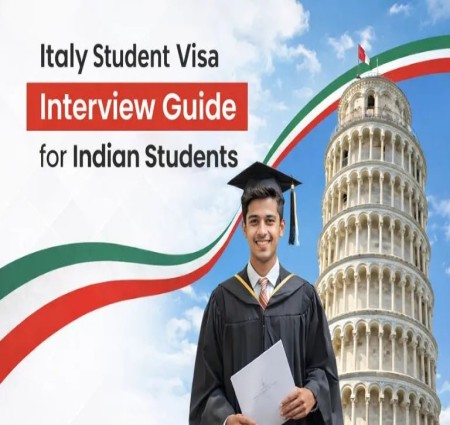
What Questions Are Asked in an Italy Student Visa Interview?

What Questions Are Asked in an Italy Student Visa Interview?
Planning to study in Italy is an exciting step for students who want to experience quality education, international exposure, and new career opportunities. However, before travelling, students applying for an Italy student visa may need to attend a visa interview. The Italy Student visa interview helps authorities understand your study plans, academic background, financial situation, and reasons f... Read More
Planning to study in Italy is an exciting step for students who want to experience quality education, international exposure, and new career opportunities. However, before travelling, students applying for an Italy student visa may need to attend a visa interview. The Italy Student visa interview helps authorities understand your study plans, academic background, financial situation, and reasons for choosing Italy. Being well prepared can help you answer questions clearly and confidently. This guide explains some common Italy student visa interview questions and how you can prepare for them. Why Is the Italy Student Visa Interview Important? The visa interview gives the authorities an opportunity to understand whether your study plans are genuine and whether you are prepared for your education in Italy. the questions can vary from student to student. They may depend on your course, university, academic background, financial documents, and future plans. You should be familiar with everything mentioned in your application and supporting documents. Common Italy Student Visa Interview Questions Why do you want to study in Italy? This is one of the most common questions students may be asked. explain why you selected Italy instead of another country. You can talk about the quality of education, course structure, university reputation, international environment, or the specific opportunities offered by your chosen programme. Avoid giving a memorised answer. Explain your reason naturally. Why did you choose this university? The interviewer may want to know whether you have properly researched your university. Be prepared to explain: The university's name and location Your course and specialisation Course duration Important subjects Admission requirements Why the programme matches your academic goals Knowing basic information about your university shows that you have seriously planned your studies. Why did you choose this particular course? Your answer should connect your previous education, interests, and future career plans. For example, if you studied engineering and selected a master's programme in engineering, explain how the new course builds on your previous education and helps you develop further skills. What do you know about your course? You should know the basic details of your programme before attending the interview. Be ready to discuss: Course duration Main subjects Language of instruction Study structure Specialisation Internship or practical opportunities, if applicable Expected career direction You do not need to memorise every subject in the syllabus, but you should understand what you are going to study. Questions About Your Academic Background The interviewer may ask about your previous education to understand your academic journey. Common questions include: What did you study previously? Which university or college did you attend? What was your graduation year? Why did you choose your previous course? What were your major subjects? Why are you continuing your studies now? How does your previous education relate to your new course? Answer honestly and keep your explanation consistent with your documents. Why Did You Choose Italy Instead of Your Home Country? You may be asked why you want to study abroad rather than continue your education in India or another country. you can explain factors such as the course structure, education quality, international learning environment, specialised programmes, research opportunities, or the academic experience available in Italy. Your answer should focus on your educational reasons rather than simply saying that you want to travel abroad. Questions About Your Career Plans Your future plans can be an important part of the conversation. You may be asked: What do you want to do after completing your studies? Explain how the course fits into your career plans. For example, you may want to work in your field, gain professional experience, develop specialised knowledge, or return to India and use your international education in your career. you should have a clear idea of the type of career you want to build, even if you have not decided on a specific company or job. Studying in Italy can provide international exposure and access to different academic and professional environments. Depending on the course, students may also gain knowledge and skills that can support future career opportunities. Questions About Your Finances Financial questions are also common during student visa interviews. You may be asked: Who is paying for your education? What does your sponsor do? What is your family's source of income? How will you pay your tuition fees? How will you manage your living expenses? Do you have financial documents to support your application? Have you received a scholarship? Make sure you understand the financial information provided in your visa application and supporting documents. If your parents are sponsoring your education, know their occupation and basic financial details. Questions About Accommodation in Italy The interviewer may ask where you plan to stay after arriving in Italy. You should know: Your accommodation address or location Whether you have university accommodation or private housing How far it is from your university Approximate monthly rent How you arranged the accommodation Keep the relevant accommodation documents with your visa application documents. Questions About Your University and City You may also be asked basic questions about the place where you will study. For example: Which city is your university located in? Why did you choose this city? Where is your university? What do you know about the city? How will you travel from your accommodation to the university? You do not need to know every detail about the city. Basic preparation is enough. Will You Return After Your Studies? You may be asked about your plans after completing your education. your response should clearly explain your genuine career and academic plans. If you intend to return to India, explain how your Italian education can support your career there. Do not give an answer simply because you think it is what the interviewer wants to hear. Your response should be truthful and consistent with your overall application. Questions About Your Documents The interviewer may ask about documents submitted with your application. You should be familiar with: University admission letter Passport Academic certificates Financial documents Scholarship documents, if applicable Accommodation details Language certificates, if required Other documents included in your visa application Check all your documents before the interview and make sure the information is consistent. BOOK YOUR FREE COUNSELLING NOW How Should You Prepare for the Interview? Good preparation does not mean memorising long answers. Instead, understand your own application and study plans. Before the interview: Research your university and course. Know your course duration and subjects. Understand your admission details. Review your financial documents. Know where you will stay in Italy. Prepare an explanation for choosing Italy. Understand your future career plans. Review your previous education. Carry the required documents. Practise answering common questions clearly. Tips for Answering Italy Student Visa Interview Questions Be Honest Always provide truthful information. Your answers should match the information in your documents and application. Keep Your Answers Clear Answer the question directly. Avoid giving unnecessarily long explanations. Know Your Course You should be able to explain why you selected the course and how it connects with your previous education and future plans. Stay Calm It is normal to feel nervous before a visa interview. Take a moment to understand the question and then answer calmly. Do Not Memorise Every Answer Memorised answers can sound unnatural. Instead, understand the important points about your education, university, finances, and career plans. What Should You Avoid During the Interview? Students should avoid giving unclear or contradictory information. Try not to: Guess answers about your university or course. Provide false information. Give financial details that do not match your documents. Say that you selected Italy only for travel. Give completely different answers from your application. Speak negatively about your home country. Panic if you do not immediately understand a question. If you do not understand a question, politely ask the interviewer to repeat it. How Can Students Make a Good Impression? A good interview is mainly about being prepared, honest, and clear. You should be able to explain three important things: Why Italy? Explain your academic reasons for choosing Italy. Why this course and university? Show that you understand what you have been admitted to study. What are your future plans? Explain how the education will support your academic and career goals. Italy offers students access to established universities, diverse academic programmes, international exposure, and opportunities to develop skills for future careers. Understanding these benefits can also help you explain your study decision more confidently. Conclusion Preparing for an Italy student visa interview becomes easier when you understand your course, university, finances, accommodation, and future plans. Questions can vary, so focus on knowing your own application rather than memorising fixed answers. be honest, stay calm, answer clearly, and make sure your responses are consistent with your documents. Good preparation can help you approach the interview with greater confidence as you take the next step toward studying in Italy.   Get in touch :- Company name :- YES Italy Contact No :- 9353008300 Website: https://yesitaly.in/ Email :- [email protected] Address -  Ambrosia Galaxy 6th Floor- innov 8 33/1, Pan Card Club Road, Baner High St, Hill, Road, Pune, Maharashtra 411045 

Read Full Blog
[email protected] 25 Sep 2026 92 Views

What Are the Requirements to Study Engineering in Italy?

What Are the Requirements to Study Engineering in Italy?
Engineering in Italy is a popular choice for students who want to study engineering in an international environment. Italy offers a range of engineering courses in areas such as mechanical, civil, electrical, computer, automotive, and aerospace engineering. Students can find programs at different universities based on their academic background, budget, preferred location, and career goals. Before... Read More
Engineering in Italy is a popular choice for students who want to study engineering in an international environment. Italy offers a range of engineering courses in areas such as mechanical, civil, electrical, computer, automotive, and aerospace engineering. Students can find programs at different universities based on their academic background, budget, preferred location, and career goals. Before applying, it is important to understand the academic, language, document, and admission requirements. With proper planning, students can explore quality education, scholarship opportunities, and career options while preparing to study in Italy. What Are the Basic Requirements to Study Engineering in Italy? The requirements depend on the university, course, and level of study. Students applying for a bachelor's degree generally need to complete Class 12 or an equivalent qualification, while master's applicants usually need a relevant bachelor's degree. A science background can be important for many engineering courses, especially subjects such as Mathematics and Physics. However, the exact requirements can differ between universities and programs. Common requirements include: Required academic qualification Academic transcripts and certificates Valid passport Language proficiency, if required Entrance test, if applicable Course-specific documents Application form Proof of other qualifications, if requested What Are the Requirements After Class 12? Students who want to study engineering after Class 12 generally need to have completed the required secondary education. Many engineering courses expect students to have studied Mathematics and other relevant science subjects. the minimum marks and subject requirements can vary from one university to another. Students should check the specific course requirements before starting their application. For Indian students, it is useful to keep Class 10 and Class 12 certificates, mark sheets, and other academic documents ready in advance. Can Indian Students Study Engineering in Italy? Yes, Indian students can apply for engineering courses in Italy if they meet the admission requirements of their chosen university. There are undergraduate and postgraduate options available in different engineering fields. students should first shortlist suitable universities and then check the eligibility criteria, course language, application deadlines, and required documents. YES Italy can also help students understand university options and the admission process. Is an Entrance Exam Required for Engineering in Italy? An entrance exam may be required for some engineering programs, while other courses may use a different admission process. The requirement depends on the university and the particular course. some entrance tests may assess areas such as mathematics, physics, logical reasoning, or other subjects related to the program. Students should check the official requirements of their chosen university before applying. What Language Is Required to Study Engineering in Italy? Engineering courses in Italy can be taught in English, Italian, or both, depending on the university and program. Students applying for an English-taught course may need to show proof of English language proficiency. students choosing an Italian-taught program may need to meet the university's Italian language requirements. The required level and accepted certificates can vary, so checking the course information is important. What Documents Are Needed for Engineering Admission? Documents are an important part of the university application process. Students should prepare their documents early because some may require translation, verification, or other formalities. Common documents may include: Valid passport Class 10 certificate Class 12 certificate Academic mark sheets Bachelor's degree for master's applicants Academic transcripts Language certificate, if required CV, if requested Motivation letter, if required Entrance test result, if applicable The university may ask for additional documents depending on the course and student's educational background. How Much Does It Cost to Study Engineering in Italy? The cost of studying engineering in Italy depends on the university, course, and city. Public universities can have different tuition structures from private universities, and eligible students may also find scholarship or financial support opportunities. Students should consider both tuition fees and living expenses when planning their budget. The cost of accommodation, food, transportation, study materials, and other personal expenses can vary depending on the city and lifestyle. Students should plan for: Tuition fees Accommodation Food Transportation Health insurance Study materials Residence permit expenses Personal expenses Are Scholarships Available for Engineering Students? International students can find different scholarship and financial support opportunities in Italy. Eligibility can depend on factors such as academic performance, financial circumstances, university requirements, or regional scholarship rules. students should start researching scholarships while shortlisting universities. Applying on time is important because scholarship deadlines may be different from university admission deadlines. BOOK YOUR FREE COUNSELLING NOW What Are the Benefits of Studying Engineering in Italy? Italy offers engineering programs in several fields, giving students the opportunity to choose a course that matches their interests. Studying in the country can also provide international exposure and experience of a different academic and cultural environment. Popular engineering fields include: Mechanical Engineering Civil Engineering Electrical Engineering Computer Engineering Electronics Engineering Automotive Engineering Aerospace Engineering Industrial Engineering Students can select their specialization according to their interests, previous education, and long-term career plans. What Is the Quality of Engineering Education in Italy? Italian universities offer engineering programs across a wide range of specializations. Depending on the university and course, students may have opportunities for practical projects, laboratory work, research, and industry-related learning. students should compare different universities before making a decision. Course subjects, teaching methods, facilities, tuition fees, location, and available career opportunities can all be useful factors when choosing a program. What Career Opportunities Are Available After Engineering? Engineering graduates can explore career opportunities across several industries. The options available will depend on the student's specialization, skills, experience, language knowledge, and employer requirements. Possible career areas include: Automotive Manufacturing Construction Information technology Electronics Energy Aerospace Industrial production Research and development Students who plan to work in Italy after graduation should also learn about the applicable work and residence rules. How Can Students Prepare for Engineering Admission? Starting the preparation early can make the application process easier. Students should first decide which engineering field they want to study and then shortlist universities offering suitable courses. After choosing the universities, students can prepare their academic documents, check language requirements, understand entrance tests, and note important application deadlines. Before applying, check: Course eligibility University requirements Application deadline Course language Entrance exam requirements Tuition fees Scholarship options Required documents Accommodation options What Should Students Consider Before Choosing a University? Choosing an engineering university involves more than checking the admission requirements. Students should consider whether the course matches their interests and whether the university fits their budget and future plans. It is also useful to compare the course structure, location, teaching language, tuition fees, scholarships, facilities, and career opportunities. Taking time to compare these factors can help students make a more informed decision. How Can Students Get Help With the Admission Process? The admission process can involve several steps, from selecting a university to preparing documents and submitting an application. Students may need guidance when comparing courses, understanding eligibility, or preparing for the next stage. YES Italy provides guidance related to university selection, admissions, scholarships, and student visa preparation for students planning to study in Italy. Conclusion The requirements to study engineering in Italy depend on the university, course, and level of study. Students generally need the required academic qualification, supporting documents, and language proof where applicable. Some programs may also require an entrance exam. Indian students should start their preparation early and carefully check the requirements of their chosen universities. YES Italy can support students through university selection, admission guidance, scholarship assistance, and student visa guidance, helping them understand the steps involved in planning their studies in Italy.   Get in touch :- Company name :- YES Italy Contact No :- 9353008300 Website: https://yesitaly.in/ Email :- [email protected] Address -  Ambrosia Galaxy 6th Floor- innov 8 33/1, Pan Card Club Road, Baner High St, Hill, Road, Pune, Maharashtra 411045 

Read Full Blog
[email protected] 24 Sep 2026 97 Views

Can I Study in Italy With a Full Scholarship?

Can I Study in Italy With a Full Scholarship?
Yes, international students can study in Italy with substantial financial support, and in some cases, a scholarship can cover most or even all major study and living expenses. Scholarships in Italy are available for students pursuing different courses and can help reduce the overall cost of higher education. However, whether you can study completely free depends on the specific scholarship, univer... Read More
Yes, international students can study in Italy with substantial financial support, and in some cases, a scholarship can cover most or even all major study and living expenses. Scholarships in Italy are available for students pursuing different courses and can help reduce the overall cost of higher education. However, whether you can study completely free depends on the specific scholarship, university, course, and your eligibility. Italy is an attractive destination for international students because its universities offer programs in fields such as engineering, business, medicine, economics, design, architecture, and management. Students can also find several courses taught in English.  What Is a Full Scholarship? A full scholarship generally means financial support that covers most or all of the major costs related to studying abroad. However, the exact benefits can be different for every scholarship, so students should always check the conditions carefully. Depending on the scholarship, financial support may include: Tuition fee exemption or reduction Accommodation support Meals or meal allowance Monthly financial allowance Health insurance Study-related expenses Some scholarships may cover several of these expenses, while others may provide support for only tuition fees or living costs. Therefore, students should not assume that every scholarship will cover all expenses. Can International Students Get Scholarships in Italy? Yes, international students can apply for different scholarship opportunities in Italy. Scholarships may be offered by universities, regional authorities, government organisations, and other institutions. eligibility can depend on several factors, including academic performance, family income, nationality, chosen course, university, and level of study. Every scholarship has its own rules, so students should check the requirements before applying. It is also important to research scholarships while selecting universities. Some scholarship applications have separate deadlines, which may be different from the university admission deadline. What Types of Scholarships Are Available? There are different types of scholarships and financial support available to students in Italy. Understanding these options can help students identify opportunities that match their academic background and financial situation. University Scholarships Many universities offer scholarships or tuition fee reductions for international students. These may be based on academic performance, admission results, financial circumstances, or other eligibility requirements. the benefits can vary from one university to another. Some scholarships may provide a tuition fee waiver, while others can also include financial support for living expenses. Regional Scholarships Regional scholarships are another important source of financial support for eligible students. These scholarships are generally connected to universities within a particular Italian region and can consider a student's financial situation along with other requirements. Depending on the scholarship, support may include tuition assistance, accommodation, meals, or financial allowances. Students should check the specific regional rules and application deadlines. Government Scholarships Government-funded scholarship opportunities may also be available to international students from selected countries. These scholarships can have specific requirements related to nationality, academic qualifications, age, study level, or course. students should check the official scholarship information carefully to understand whether they qualify and which expenses are covered. What Are the Eligibility Requirements? Scholarship requirements depend on the particular program. Some scholarships mainly consider academic performance, while others may give importance to family income or financial circumstances. Common documents and requirements may include: Academic certificates and transcripts Proof of university admission or application Valid passport Proof of family income or financial situation Language qualification, if required University documents Scholarship application form Other supporting documents Students should read the eligibility conditions carefully before applying. Meeting the basic requirements does not always guarantee that a scholarship will be awarded, as some scholarships may have limited availability. Does Academic Performance Matter? Academic performance can be important for many scholarships, especially those based on merit. Universities and scholarship providers may consider previous grades, academic achievements, or admission results when assessing applications. however, not every scholarship is based only on academic performance. Some financial support programs also consider a student's financial circumstances and other eligibility conditions. This is why students should research different scholarship opportunities instead of focusing only on merit-based scholarships. Can a Scholarship Cover Tuition Fees? Yes, some scholarships can provide complete or partial tuition fee support. The exact amount depends on the university and scholarship program. a tuition fee waiver can significantly reduce the cost of studying in Italy. However, students should check whether the scholarship covers the entire tuition fee or only a specific amount. Students should also check whether there are additional university charges that may still need to be paid. Understanding these details before accepting a scholarship can help with financial planning. Can Scholarships Cover Living Expenses? Some scholarships provide financial support for living expenses, while others mainly focus on tuition fees. Living expenses can include accommodation, food, transportation, study materials, and other daily costs. Scholarships that include accommodation, meals, or a regular allowance can help international students manage their monthly budget. However, students should still prepare a personal budget because scholarship benefits may not cover every individual expense. Before travelling to Italy, calculate your expected monthly expenses and compare them with the financial support provided by your scholarship. What Are the Benefits of Studying in Italy With a Scholarship? One of the biggest benefits of receiving a scholarship is that it can reduce the financial pressure of studying abroad. Students may be able to focus more on their education and university experience instead of managing the full cost of tuition and living expenses. Other benefits can include: Access to higher education in Europe Reduced tuition and living costs International academic exposure Opportunity to study with students from different countries Professional and cultural exposure Opportunities to develop new skills Greater flexibility in managing education expenses A scholarship can make studying abroad more affordable and may allow students to consider programs that would otherwise be difficult to finance. What About Education Quality in Italy? Italy has a long history of higher education and offers programs across a wide range of academic fields. Students can choose from universities with different teaching approaches, course structures, research opportunities, facilities, and practical learning options. When selecting a university, students should look beyond the availability of a scholarship. Check the course content, faculty, facilities, teaching methods, internship opportunities, student support, and overall suitability of the program. A scholarship is valuable, but the chosen course should also support your academic interests and long-term career plans. What Career Opportunities Can Students Explore? Studying in Italy can give international students exposure to a European academic and professional environment. Students can develop subject knowledge, communication skills, international experience, and professional connections during their studies. Career opportunities after graduation depend on factors such as your qualification, skills, experience, chosen field, and the job market. Depending on the course, students may explore opportunities in: Engineering Business and management Finance Marketing Information technology Fashion and design Tourism and hospitality Manufacturing Research International business Students who plan to work after graduation should research the career opportunities related to their chosen course and understand the applicable rules for international graduates.   BOOK YOUR FREE COUNSELLING NOW How Can I Find a Full Scholarship? Start researching scholarships early, preferably while you are shortlisting universities. Check official university and scholarship websites for current information about eligibility, benefits, required documents, and application deadlines. Make a list of scholarships that match your academic background and financial circumstances. Keep track of the deadlines because scholarship applications may close before or after the university admission deadline. Also check whether a separate scholarship application is required. Some scholarships may require students to submit an additional form and supporting documents, while others may consider students automatically based on their admission application. How Should I Prepare My Scholarship Application? Start preparing your documents well before the application deadline. Keep your academic certificates, transcripts, passport, income documents, and other required papers ready. if any document requires translation, certification, or legalisation, arrange it early. Carefully check every form before submission and make sure the information is accurate and consistent with your university application. If you are eligible for more than one scholarship, you can research and apply for multiple suitable opportunities. However, each application should be prepared according to its specific requirements. Can I Study in Italy Without Paying Anything? Some students may receive scholarship support that covers a large part of their tuition and living expenses. In certain cases, the overall financial support can be extensive, but students should not assume that every scholarship covers every cost. even with significant scholarship support, there may be expenses such as travel, visa-related costs, deposits, personal spending, or other charges that are not included. For this reason, students should carefully check the scholarship benefits and prepare some personal financial backup before travelling to Italy. What Should Students Check Before Applying? Before applying for a scholarship, students should understand both the university admission requirements and the scholarship conditions. This can help avoid situations where a student qualifies for admission but does not meet the scholarship requirements. Check: Scholarship eligibility Application deadline Tuition fee coverage Accommodation support Monthly allowance Required documents Academic requirements Income requirements Renewal conditions Additional expenses Keeping these points in mind can make the scholarship planning process much easier. Final Thoughts Yes, international students can find scholarship opportunities that make studying in Italy much more affordable, and some scholarships can provide significant support towards tuition fees and living expenses. However, the amount of financial support depends on the scholarship, university, course, and student's eligibility. students should research universities, scholarships, admission requirements, education quality, living costs, and career opportunities before making their plans. Starting early, checking the requirements carefully, and preparing documents on time can help students find suitable financial support and plan their studies in Italy with greater confidence. Get in touch :- Company name :- YES Italy Contact No :- 9353008300 Website: https://yesitaly.in/ Email :- [email protected] Address -  Ambrosia Galaxy 6th Floor- innov 8 33/1, Pan Card Club Road, Baner High St, Hill, Road, Pune, Maharashtra 411045 

Read Full Blog
[email protected] 23 Sep 2026 90 Views

Which Engineering Course Is Best in Italy for Indian Students?

Which Engineering Course Is Best in Italy for Indian Students?
Choosing the right engineering course is an important decision for Indian students planning to study abroad. Engineering in Italy is becoming a popular choice for students who want quality education, international exposure, and opportunities to build a career in Europe. Italian universities offer engineering courses in several fields, including Mechanical Engineering, Computer Engineering, Civil E... Read More
Choosing the right engineering course is an important decision for Indian students planning to study abroad. Engineering in Italy is becoming a popular choice for students who want quality education, international exposure, and opportunities to build a career in Europe. Italian universities offer engineering courses in several fields, including Mechanical Engineering, Computer Engineering, Civil Engineering, Electrical Engineering, Aerospace Engineering, and Chemical Engineering. The best course depends on your interests, academic background, career plans, and the type of work you want to do after graduation. Students should also consider course fees, admission requirements, scholarships, and future career opportunities before choosing an engineering programme in Italy. Why Study Engineering in Italy? Italy has a long history of higher education and offers engineering programmes in different specialisations. Many universities focus on both academic knowledge and practical learning, helping students understand how engineering concepts are used in real-world situations. For Indian students, studying engineering in Italy can also provide international exposure and the opportunity to experience a different education system and culture. Some important benefits include: Quality education at recognised universities A wide choice of engineering specialisations Bachelor's and Master's programmes English-taught courses at selected universities International student environment Scholarship and financial support opportunities Exposure to European industries Opportunities to develop an international career Mechanical Engineering in Italy Mechanical Engineering is one of the most established engineering fields in Italy. The country has a strong industrial background, particularly in automobiles, manufacturing, machinery, robotics, and product design. Students who enjoy machines, vehicles, manufacturing processes, and industrial systems can consider Mechanical Engineering as one of their study options. After completing the course, students can explore career opportunities such as Mechanical Engineer, Automotive Engineer, Manufacturing Engineer, Production Engineer, Design Engineer, and Maintenance Engineer. The practical nature of this field can also help students understand how engineering principles are applied in different industries. Computer Engineering in Italy Computer Engineering is a popular choice for students interested in computers, software, hardware, programming, and digital systems. Depending on the university, students may study areas such as computer systems, programming, networks, electronics, and information technology. Students interested in mathematics, programming, and technology can consider this field. Career opportunities may include Software Engineer, Computer Engineer, Systems Engineer, Network Engineer, IT Specialist, and Technology Consultant. Before choosing a programme, students should check the exact subjects covered because course structures can differ between universities. Civil Engineering in Italy Civil Engineering can be suitable for students interested in buildings, roads, bridges, construction, and infrastructure. Italian universities offer programmes related to construction and infrastructure development, allowing students to develop knowledge of engineering principles and their practical applications. Career opportunities can include Civil Engineer, Structural Engineer, Construction Engineer, Project Engineer, Infrastructure Engineer, and Site Engineer. Students who are interested in construction projects and infrastructure development can explore this field when comparing engineering courses in Italy. Electrical and Electronics Engineering Electrical and Electronics Engineering focuses on electricity, electronic systems, control systems, automation, and related technologies. It can be a suitable choice for students who enjoy physics, mathematics, electrical systems, and electronic devices. Depending on the programme, students can explore areas such as power systems, electronics, automation, control systems, and embedded technology. Career opportunities may include Electrical Engineer, Electronics Engineer, Control Engineer, Automation Engineer, and Power Systems Engineer. Aerospace Engineering Students who are interested in aircraft, aviation, spacecraft, and advanced engineering systems can consider Aerospace Engineering. Italy has an established aerospace sector, and some universities offer specialised programmes in this area. Students may study subjects related to aircraft design, aerodynamics, propulsion, materials, and aerospace systems, depending on the selected programme. After graduation, students can explore opportunities in aerospace companies, aviation, manufacturing, research, and related engineering industries. Chemical Engineering Chemical Engineering can be a suitable option for students interested in chemistry, industrial processes, materials, energy, and manufacturing. Chemical engineers can work across several industries, including pharmaceuticals, chemicals, food production, energy, and materials. Students choosing this field can explore career areas such as chemical manufacturing, pharmaceuticals, energy, food processing, materials, and industrial production. It is important to check the course structure and career opportunities offered by each university before applying. Which Engineering Course Has Good Career Opportunities? Career opportunities are an important factor when selecting an engineering course, but they should not be the only consideration. Students should also think about the subjects they enjoy, their academic strengths, and the type of work they would like to do in the future. For example, a student interested in automobiles may prefer Mechanical or Automotive Engineering, while someone interested in computers may choose Computer Engineering. Similarly, students interested in construction can consider Civil Engineering, while students interested in aircraft and aviation can explore Aerospace Engineering. Choosing a field that matches your interests can make your studies more enjoyable and help you build relevant skills. Engineering Education Quality in Italy Italian universities are part of the European higher education system and offer engineering programmes across a wide range of specialisations. Many programmes combine classroom learning with laboratory work, projects, research, and practical activities. Studying in Italy can also give international students exposure to people from different countries and a multicultural learning environment. Before applying, students should carefully check the university, course structure, teaching language, admission requirements, tuition fees, facilities, and available opportunities. Admission Requirements for Engineering in Italy Admission requirements can vary depending on the university, course, and level of study. Students should always check the official requirements of their chosen university before starting the application process. Common requirements may include: Academic qualifications Previous academic transcripts Required subjects in previous education Proof of language proficiency, where required Valid passport Entrance test, if applicable Other documents requested by the university Students applying for Master's programmes generally need a relevant Bachelor's degree. Some engineering programmes may also have specific subject or entrance requirements, so students should check the details carefully before submitting an application.   BOOK YOUR FREE COUNSELLING NOW Scholarships for Engineering Students in Italy The cost of studying abroad is an important consideration for many Indian students. Italy offers different scholarship and financial support opportunities for international students, depending on eligibility and the specific scholarship programme. Some scholarships may provide support towards tuition fees, accommodation, meals, or other study-related expenses. Students should check the eligibility conditions, income requirements, application deadlines, and required documents before applying. Getting financial support can make studying engineering in Italy more affordable for eligible students. How Should Indian Students Choose an Engineering Course? Students should not choose an engineering course only because it is popular. Instead, they should compare different programmes and consider their own academic background and future plans. Before making a decision, consider: Your academic background Subjects you enjoy Career goals Course syllabus University and location Tuition fees Scholarship opportunities Teaching language Internship opportunities Admission requirements Comparing several universities and courses can help students understand which option matches their requirements. Career Opportunities After Engineering in Italy An engineering degree from Italy can give students international academic exposure and an opportunity to experience the European education and professional environment. Career opportunities after graduation depend on factors such as the student's specialisation, qualification, skills, experience, language ability, and the requirements of the country where they plan to work. Students who plan to return to India can also use their international education and experience when applying for relevant engineering positions. Those interested in working in Italy or another European country should also understand the local employment requirements and language expectations. Conclusion There is no single engineering course that is best for every Indian student. Mechanical Engineering, Computer Engineering, Civil Engineering, Electrical and Electronics Engineering, Aerospace Engineering, and Chemical Engineering are all options worth exploring in Italy. the right choice depends on your interests, academic strengths, career plans, budget, and preferred university. Compare the course structure, admission requirements, education quality, scholarships, costs, and career opportunities before making your decision. A well-researched choice can help you make the most of your engineering education in Italy. Get in touch :- Company name :- YES Italy Contact No :- 9353008300 Website: https://yesitaly.in/ Email :- [email protected] Address -  Ambrosia Galaxy 6th Floor- innov 8 33/1, Pan Card Club Road, Baner High St, Hill, Road, Pune, Maharashtra 411045 

Read Full Blog
[email protected] 22 Sep 2026 117 Views

Blog Catgories