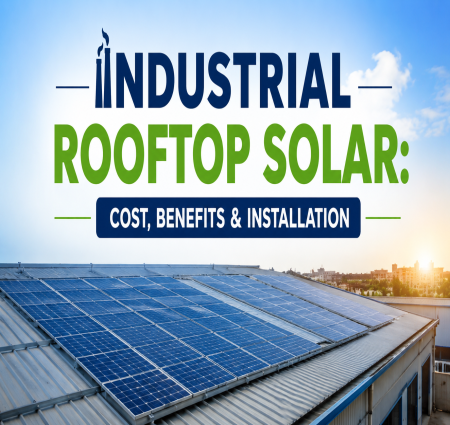
Running a large factory or warehouse comes with many challenges. One of the biggest headaches for business owners is the high cost of electricity. Monthly power bills can eat up a lot of profit. Industrial Rooftop Solar is a smart solution that turns empty roof space into a power plant. By using sunlight, businesses can produce their own clean energy and save money every single month. Today, moving to solar is not just about helping the planet. It is a smart financial move. With technology getting better and prices coming down, many companies are making the switch. This guide will help you understand the costs, the steps to install it, and why it is a great choice for your business. What Is an Industrial Rooftop Solar System? An industrial solar rooftop is a set of solar panels placed on top of a factory or commercial building. These panels catch sunlight and turn it into electricity. This electricity can run machines, lights, and air conditioners. Unlike home systems, these are much larger and built to handle heavy power needs. These systems are connected to the building's main power supply. If the panels produce more energy than the factory needs, the extra power can sometimes be sent back to the main grid. This setup helps a business become its own power provider, reducing the need to buy expensive electricity from the government or private companies. How Much Does Industrial Rooftop Solar Cost in India? Knowing the Industrial Solar Cost is the first step for any business. The price depends on the size of the system and the quality of the panels you choose. Generally, larger systems cost less per unit because of bulk buying. Below is a simple table showing the estimated costs for different system sizes in India: System Size Estimated Cost Range (INR) 50 kW ₹18 Lakh – ₹25 Lakh 100 kW ₹37 Lakh – ₹50 Lakh 250 kW ₹75 Lakh – ₹1.25 Crore 500 kW ₹1.75 Crore – ₹2.75 Crore 1 MW ₹3.02 Crore – ₹5.00 Crore Note: Prices can change based on the type of roof and the distance to the main electrical panel. Benefits of Industrial Rooftop Solar There are many reasons why companies choose rooftop solar for industries and commercial buildings. It provides both financial and environmental wins. Reduce Industrial Electricity Bills The most immediate benefit is a huge drop in power bills. Factories often pay high rates for electricity during the day. Since solar works best when the sun is out, it covers the peak hours of production. This can cut your monthly bill by 30% to 50%. Lower Dependence on Grid Electricity Power cuts can stop production and cause losses. Having a solar system means you rely less on the local grid. It gives your factory a more stable source of energy, especially when combined with battery storage or smart management systems. Long-Term Energy Cost Savings Solar panels are built to last for 25 years or more. Once the system is paid off, the electricity it makes is basically free. This means your business will save money for decades, allowing you to spend that cash on growing your company instead. Better Return on Investment The ROI for industrial Solar is usually very fast. Most businesses see their system pay for itself in just 3 to 5 years. After that, everything the panels produce is pure profit. It is one of the safest investments a company can make today. Make Better Use of Available Roof Space Most industrial buildings have large, flat, or slanted roofs that stay empty. Installing solar panels makes this space work for you. It adds value to your property without taking up any ground space needed for trucks or storage. Reduce Carbon Emissions Switching to solar helps the environment. It reduces the amount of pollution your factory creates. By using clean energy, you help lower the carbon footprint of your products, which is good for the Earth. Protect Against Rising Electricity Costs Electricity prices usually go up every year. By installing your own system, you lock in your energy costs. You won't have to worry about future price hikes because you are making your own power. Improve the Company's Green & Sustainable Image Modern customers and partners prefer to work with green companies. Having a solar-powered factory shows that you care about the future. It builds trust and can even help you get new business deals with eco-conscious brands. How Does Industrial Rooftop Solar Installation Work? An Industrial rooftop solar installation follows a clear path to ensure safety and efficiency. It is not just about putting panels on a roof; it requires careful planning. Step 1: Site Survey & Roof Assessment Engineers visit the factory to check the roof's strength. They look at the material of the roof and see if it can hold the weight of the panels and the mounting structures. Step 2: Analyse Electricity Consumption The team looks at your past electricity bills. This helps them understand how much power you use at different times of the day and year. Step 3: Solar System Size Calculation Based on the roof space and your power needs, the engineers decide how big the system should be. They want to make sure it produces enough power without being too large for the roof. Step 4: Solar Plant Design A detailed map is created. This shows where every panel, wire, and inverter will go. The design aims to catch the most sunlight possible throughout the day. Step 5: Select Solar Panels & Equipment Choosing the right parts is vital. This includes selecting the solar panels, the inverters that change the power into a usable form, and the cables that connect everything. Step 6: Installation of Mounting Structures Metal frames are fixed to the roof. These frames hold the solar panels securely so they don't move during strong winds or storms. Step 7: Solar Panel Installation The panels are carefully lifted to the roof and bolted onto the mounting structures. They are positioned at a specific angle to face the sun. Step 8: Inverter & Electrical Installation Inverters are installed near the main electrical room. These devices take the DC power from the panels and turn it into AC power, which the factory machines use. Step 9: Grid Connection & Testing The system is connected to the building's electrical grid. Engineers test the wires and connections to make sure everything is safe and working correctly. Step 10: Commissioning & Monitoring Once the system is turned on, it is officially commissioned. Many modern systems now include AI monitoring for industrial Solar to track how much energy is being made in real-time. What Factors Affect Industrial Rooftop Solar Performance? Not every system produces the same amount of power. Several things can change how well your panels work: Solar panel efficiency: Better quality panels turn more sunlight into power. Roof orientation: In India, panels usually face South to get the most sun. Shading: Nearby trees or tall buildings can block the sun and lower power output. Weather conditions: While panels work on cloudy days, they produce much more in bright sunshine. System design: A good layout ensures panels don't cast shadows on each other. Inverter efficiency: High-quality inverters lose less energy during the conversion process. Regular cleaning and maintenance: Dust and bird droppings can block sunlight, so panels must stay clean. Quality of installation: Good wiring and secure mounts prevent energy loss and damage. How to Choose an Industrial Rooftop Solar EPC Company? Selecting the right partner is key to a successful solar rooftop for industries. You should look for a company with a proven track record. Ask for photos and data from their past projects. A good EPC company handles everything from design to government approvals. Make sure they offer long-term support and warranties. Solar is a long-term project, so you need a partner who will be there to help with cleaning and repairs years from now. Why Choose Raynex Power Solution for Industrial Rooftop Solar? Raynex Power Solution is a leader in providing energy solutions. We focus on high-quality parts and expert installation. Our team understands the unique needs of factories and works to ensure you get the most power for your money. We provide end-to-end service, meaning we handle the hard work while you focus on your business. With our advanced monitoring tools, you can see your savings grow every day. Conclusion Industrial Rooftop Solar is a powerful tool for any business looking to save money and go green. It turns an unused asset-your roof-into a source of income. By reducing bills and protecting against rising costs, it provides a stable financial future for your factory. If you are ready to lower your costs, now is the perfect time to start your solar journey. Frequently Asked Questions About Industrial Rooftop Solar What is industrial rooftop solar? Industrial Rooftop Solar is a power system where solar panels are installed on the roofs of factories or large commercial buildings to provide them with clean electricity. How much does industrial rooftop solar cost in India? The cost varies, but it usually ranges from 40 Lakhs for a 100 kW system to around 4 Crores for a 1 MW system. How many solar panels does a factory need? This depends on the total power consumption. A typical 100 kW system needs about 200 to 250 modern solar panels. How much roof space is required for industrial solar? Generally, you need about 80 to 100 square feet of shadow-free roof area for every 1 kW of solar capacity. How long does industrial rooftop solar last? Most systems are designed to last for 25 to 30 years, with the panels usually having a 25-year performance warranty. How long does it take to install an industrial solar system? A standard 100 kW system usually takes about 4 to 6 weeks to fully install and connect. Is rooftop solar suitable for every factory? Most factories are suitable, provided the roof is strong enough and has enough clear space away from shadows. What is the ROI of an industrial rooftop solar system? The Return on Investment (ROI) is usually achieved within 3 to 5 years through electricity bill savings and tax benefits. Which solar panels are best for industrial use? Monocrystalline PERC panels are often the best choice because they are very efficient and work well even in low-light conditions. How do I choose the right industrial solar EPC company? Look for a company with years of experience, positive client reviews, and a strong focus on maintenance and after-sales service.
Read Full Blog