Study in Europe : Courses and Fees for International Students
꧁ Digital Diary ༒ Wefru – India's Largest Writing Community ༒ Read, Write & Grow ༒꧂

꧁ Digital Diary ༒ Wefru – India's Largest Writing Community ༒ Read, Write & Grow ༒꧂
Scan QR code to visit our website
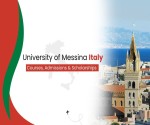
Choosing the right country for higher education is an important decision. Europe is one of the popular choices for students because it offers many universities, courses, and study options. Students can find programs in business, engineering, medicine, architecture, design, technology, arts, and many other fields. Study in Europe can be a good option for students who want international education and exposure to different cultures. Before applying, students should understand the available courses, tuition fees, living expenses, admission requirements, and scholarship opportunities. This guide explains these points in a simple way.
European countries offer a wide range of undergraduate, postgraduate, and professional courses. Students can choose programs based on their academic background and career plans.
Some countries also offer courses taught in English, which can be useful for international students who do not speak the local language. European universities also provide different course structures, allowing students to select programs according to their interests.
Another reason students consider Europe is the variety of tuition fee options. Costs depend on the country, university, course, and level of study. Students can compare different universities before making a final decision.
Students can find courses in almost every major field. Some popular study areas include:
Engineering and technology
Business and management
Computer science
Architecture and design
Medicine and healthcare
Data science
Arts and humanities
Finance and economics
Hospitality and tourism
Social sciences
The duration and eligibility requirements depend on the selected program. Bachelor's programs usually have different requirements from master's or doctoral programs.
Students should check the course subjects, teaching language, duration, entry requirements, and career options before applying.
Studying in Europe for International Students involves more than selecting a university. Students need to understand the admission process, document requirements, tuition fees, visa rules, and living costs.
International students may need academic certificates, transcripts, passport copies, language test results, a CV, motivation letter, and other documents depending on the university and course.
Some universities may also ask for entrance tests, interviews, portfolios, or additional academic requirements. Therefore, students should always check the specific requirements of their selected university.
Tuition fees vary considerably across European countries and universities. The cost also depends on whether a student is applying for an undergraduate, postgraduate, or specialised program.
Some universities have relatively affordable tuition fees, while private institutions and specialised courses can be more expensive.
Students should check:
University tuition fees
Application fees, if applicable
Registration charges
Examination or course-related costs
Study materials
It is important to check the latest fee information directly with the selected university because fees can change from one academic year to another.
Tuition is only one part of the total study budget. Students should also plan for their everyday expenses.
Common living costs include:
Accommodation
Food and groceries
Public transportation
Health insurance
Mobile and internet expenses
Study materials
Personal expenses
Living costs can be different depending on the country and city. Students should prepare a monthly budget before travelling so they have a better idea of their expected expenses.
Scholarships can help students manage the cost of studying abroad. Depending on the university and country, students may find scholarships based on academic performance, financial circumstances, or other eligibility criteria.
Some scholarships may cover part of the tuition fees, while others can provide additional financial support.
Students should check the eligibility conditions and deadlines carefully. Scholarship applications may require academic records, financial documents, motivation letters, or other supporting documents.
It is better to start looking for scholarships early instead of waiting until the university application is complete.
Admission requirements depend on the university and course. Students generally need to meet the academic qualifications required for their selected program.
Common requirements may include:
Academic certificates and transcripts
Valid passport
English or local language proficiency proof
CV
Statement of purpose or motivation letter
Recommendation letters, where required
Portfolio for selected programs
Students should make a checklist of all required documents and prepare them before the application deadline.
The application process usually starts with selecting a suitable course and university. After checking eligibility, students need to prepare their documents and submit the application through the required platform.
A simple process is:
Select the course.
Shortlist universities.
Check eligibility requirements.
Prepare academic and supporting documents.
Check tuition fees and scholarships.
Submit the application before the deadline.
Wait for the admission decision.
Complete enrollment and visa formalities after acceptance.
Starting early can help students avoid last-minute problems with documents and deadlines.
YES Italy supports students who are planning higher education in Italy. The company provides guidance on university and course selection, admission requirements, documentation, application procedures, scholarships, and other important steps.
Students can discuss their academic background and future plans with YES Italy before selecting a course. The team can help students understand the process and organise the required documents.
For students considering Italy as their study destination, having proper guidance can make it easier to understand the different stages of university admission and preparation.
Before submitting an application, students should carefully check the following:
Course eligibility
University ranking and reputation
Tuition fees
Living expenses
Language requirements
Application deadlines
Scholarship options
Visa requirements
Accommodation options
Students should not select a university only because of its name. The course content, total cost, admission requirements, and future career plans should also be considered.
Studying in Europe can give students access to different courses, universities, and international learning experiences. However, choosing the right option requires careful research and proper financial planning.
Students should compare courses, tuition fees, living costs, admission requirements, scholarships, and future opportunities before making a decision. Starting the process early can make the application easier to manage.
With proper planning and guidance from YES Italy, students can better understand their study options and prepare for higher education in Italy and Europe.
Get in touch:-
Email: [email protected]
Phone no.: +91- 93 5300 8300
Website: https://yesitaly.in/
Address: Ambrosia Galaxy 6th Floor- innov 8 33/1, Pan Card Club Road, Baner High St, Hill, Road, Pune, Maharashtra 411045
Verified Brand
If you are planning to study in Italy, knowing the admission requirements before applying can save you time and help you prepare your documents properly. The University of Messina offers a range of undergraduate and postgraduate programmes, and the requirements can differ depending on the course you choose.
For Indian students, it is important to check the academic qualifications, language requirements, documents, application deadlines, and other conditions linked to the selected programme.
Eligibility can vary depending on the course and level of study. Students should check these key points:
... Read MoreHave a question about this post? Send it straight to the author — only they will see it.
We are accepting Guest Posting on our website for all categories.


yesitalyconsultancy
Verified Author Expert@DigitalDiaryWefru